
Trees
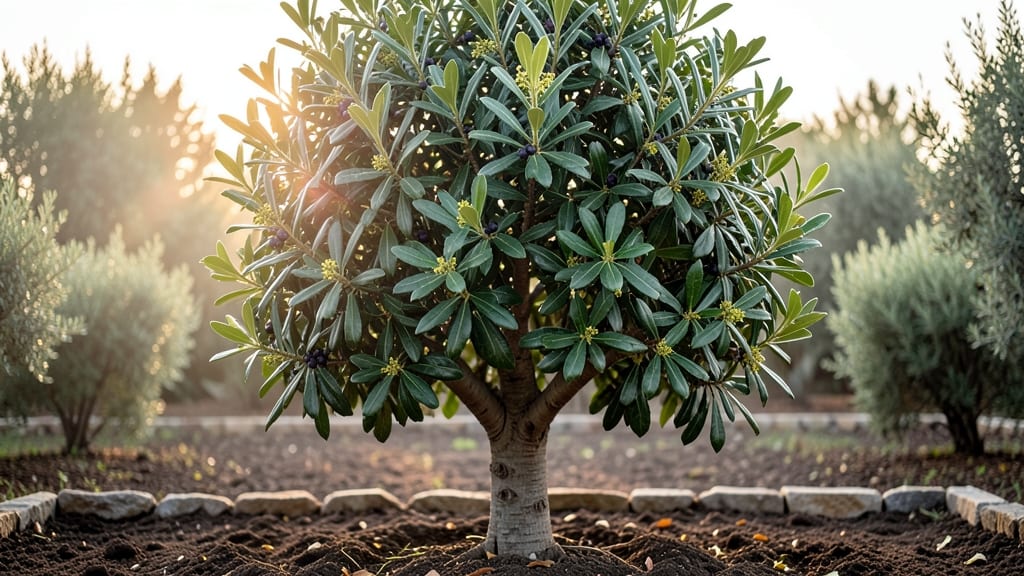
A bay leaf tree can grow anywhere from 8 feet to 40 feet tall—depending on whether you’re growing it in a pot or letting it reach its full potential in the ground.
If you're dreaming of adding a bay leaf tree to your garden but wondering whether it’ll dwarf your space or fit perfectly in a pot, you’re not alone. This fragrant evergreen can be both a stunning centerpiece and a space-saver, depending on how you grow it.
Whether you're working with limited yard space or a cozy balcony, there’s a way to make it work.
The key to controlling its size lies in pruning, soil conditions, and even the variety you choose. Some types stay compact, while others shoot up like a towering sentinel—so knowing the difference can save you from a 20-foot surprise down the road.
Below, I’ll break down everything you need to know: from how fast it grows to the best ways to keep it manageable, whether you’re planting it in the ground or a container. Let’s get started!


Bay leaf tree size by variety: height, spread, and growth habits explained
Choosing a bay leaf tree for your garden means understanding how big it can grow—because what starts as a small sapling can become a 20-foot-tall evergreen if left unchecked.
The Sweet Bay Laurel (Laurus nobilis), the classic culinary variety, typically reaches 15-40 feet tall in ideal conditions, but its spread is equally impressive at 10-20 feet wide.
If you're working with limited space, knowing the exact growth habits of each variety helps you pick the perfect fit for your yard or container.
Not all bay leaf trees are created equal—some varieties stay compact, while others grow aggressively. The California Bay Laurel (Umbellularia californica), for example, can tower over 60 feet tall in its native habitat, making it better suited for large landscapes.
Meanwhile, the Texas Bay Laurel (Litsea graveolens) remains smaller, rarely exceeding 20 feet tall, with a more manageable 10-foot spread. Your choice depends on whether you want a culinary powerhouse or a low-maintenance ornamental.
Growth rates vary dramatically too. A Sweet Bay Laurel sapling can grow 1-2 feet per year in optimal conditions, while the California Bay grows even faster—up to 3 feet annually—if given plenty of sunlight and water.
Understanding these differences helps you plan for pruning, spacing, and even container size if you're growing it in a pot. Let’s break down the key varieties and their mature sizes to help you make the best choice for your space.
The Sweet Bay Laurel is the most popular choice for home gardens because it’s versatile—it thrives in USDA Zones 7-10 and can be grown as a hedge, small tree, or container plant.
When planted in the ground, it naturally spreads wide, making it ideal for privacy screens or backyard focal points. However, if you prune it regularly, you can keep it under 10 feet tall, perfect for a small urban yard or patio.
For those in cooler climates (Zones 6-7), the Texas Bay Laurel is a fantastic alternative. It’s hardier and grows more slowly, staying under 20 feet tall even in ideal conditions. This makes it easier to manage in smaller gardens or even large containers.
Plus, its leaves are just as fragrant and useful in the kitchen, though slightly milder than the classic Sweet Bay.
If you’re dreaming of a tropical vibe but live in a warmer climate (Zones 8-11), the California Bay Laurel is a showstopper—but only if you have the space. Its 60-foot height and 30-foot spread mean it’s better suited for large estates or parks rather than suburban backyards.
That said, its fast growth rate and lush foliage make it a favorite for shade trees and windbreaks.
Growth habits also depend on soil and sunlight. Bay leaf trees love well-draining, slightly acidic soil and <
How to control bay leaf tree size: pruning and growing tips for small gardens
If you love the aroma of fresh bay leaves but worry about your bay leaf tree outgrowing its welcome, don’t fret! With the right techniques, you can shape its growth to fit your space—whether that’s a small backyard, container garden, or even a sunny patio.
The key lies in understanding how to prune and grow this evergreen strategically. Unlike many trees, bay leaf trees respond beautifully to pruning, making them ideal for space-conscious gardeners.
Bay leaf trees (Laurus nobilis) can reach 20 to 40 feet tall in ideal conditions, but with careful pruning and container growing, you can keep them as short as 6 to 10 feet. The secret?
Prune in late winter or early spring before new growth begins. This encourages bushier, denser foliage while controlling height. For container-grown trees, regular pruning and repotting every 2-3 years will keep them manageable and healthy.
🌱 Bay Leaf Tree Size Control Tips
Mature Height: 20-40 ft (outdoors), 6-10 ft (containers)
Growth Rate: 12-24 inches per year (pruned trees grow slower)
Best Pruning Time: Late winter/early spring (before buds swell)
Container Size: Minimum 15-gallon pot for dwarf varieties
💡 Pro Tip: Prune 1/3 of new growth annually to maintain compact shape.
Start by selecting a dwarf variety if space is limited. Varieties like 'Angustifolia' stay under 10 feet tall and are perfect for containers. For standard varieties, prune selective branches to shape the tree.
Always use clean, sharp pruners to avoid damaging the tree. Focus on removing overcrowded or crossing branches first, then trim back any leggy growth to encourage a fuller form.
When growing in containers, choose a well-draining potting mix with added perlite or sand. Bay leaf trees thrive in full sun to partial shade, but container-grown trees may need extra afternoon shade in hot climates.
Water deeply when the top 2 inches of soil feel dry, but avoid soggy soil to prevent root rot. Fertilize lightly in spring and summer with a balanced fertilizer to support controlled growth.
Seasonal care is crucial for managing size. In fall and winter, reduce watering and avoid pruning, as the tree enters dormancy. Resume pruning in early spring to shape the tree before new growth begins.
For container trees, move pots indoors or to a sheltered spot if temperatures drop below 20°F to protect roots. With consistent care, your bay leaf tree will stay lush, aromatic, and perfectly sized for your garden.
Remember, the more you prune, the more compact your bay leaf tree will stay. Think of it like sculpting—every cut shapes the final result. Whether you’re growing it for culinary leaves or ornamental value, controlling its size ensures it thrives without taking over your space. Happy pruning! ✂️🌿