
Pests and Diseases
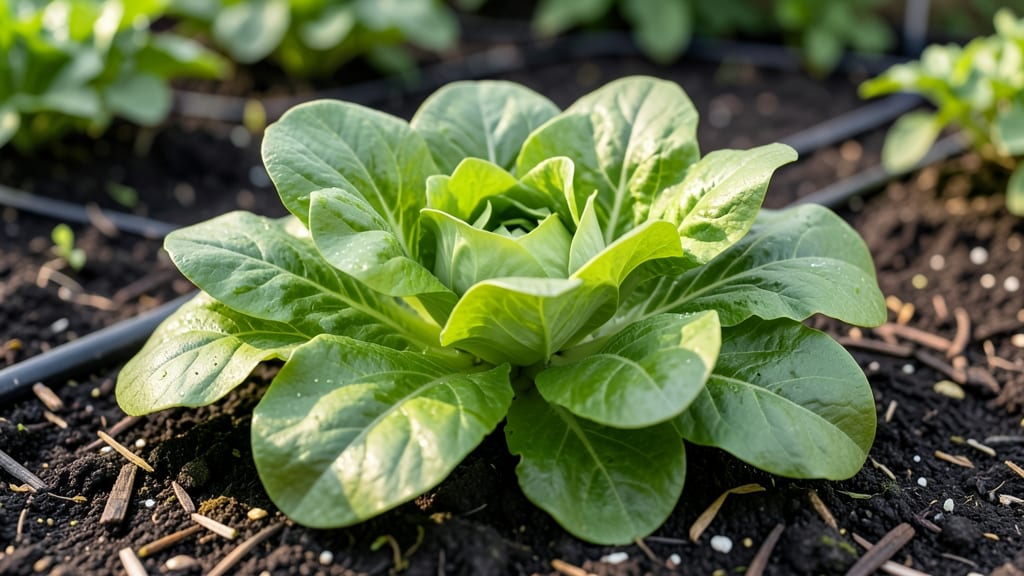
Grand Rapids leaf lettuce delivers crispy edges even when other varieties wilt in summer heat. 🌿 I learned the hard way that this variety thrives when planted in early spring or late summer—its secret is staying firm through temperature swings that flatten most greens.
The key lies in its cold-hardy nature: it bolts at 85°F, making it perfect for spring or fall harvests. Plant seeds ½ inch deep in well-drained soil with 12-18 inches between rows, and watch those ruffled leaves develop their signature texture.
A light mulch keeps roots cool during heatwaves. You'll harvest within 30-40 days, snipping outer leaves first to encourage continuous growth. The flavor stays sweet and peppery even when edges crisp up—ideal for salads or sandwiches. Just watch for slugs and aphids, which love tender young leaves.
For best results, succession plant every 2 weeks through early summer. This variety proves you can grow perfect greens even in Michigan’s unpredictable climate. Here’s how to nail it every time!
📚 In This Guide
- What you need
- Instructions
- Tips and common mistakes
- Wrapping up and next steps
What you need
- ● Seeds: Grand Rapids leaf lettuce seeds (non-GMO, heirloom variety recommended; ~50 seeds for a small garden or 200+ for larger harvests).
- ○ Growing Space: Direct sowing: Well-draining soil with pH 6.0–7.0 (test kit optional but helpful).
- ● Container gardening: 5–6 inch deep pots (1–2 seeds per pot) or raised beds (minimum 12" depth).
- ● Soil: Light, fertile loam amended with 2–3 inches of compost or aged manure.
- ● Watering Tools: Watering can with a fine rose nozzle or drip irrigation system.
- ● Fertilizer: Balanced organic fertilizer (e.g., 5-5-5) or compost tea (apply lightly at planting and mid-growth).
- ● Mulch: Straw or shredded leaves (1–2 inches thick) to retain moisture and suppress weeds.
- ● Protective Gear (Cold Climates): Frost cloth (lightweight, breathable) for early/late season planting.
- ● Row covers or cold frames for extended growing seasons.
- ● Seed Starting Supplies: Biodegradable seedling pots and a grow light (if starting indoors 4–6 weeks before last frost).
- ● Pest Control: Neem oil spray or row covers to deter aphids, slugs, or cabbage moths.
- ● Harvesting Tools: Sharp kitchen scissors or a serrated knife for clean cuts.
- ● Soil Test Kit: To monitor nitrogen/phosphorus levels (ideal for crispy edges!).
Step-by-Step instructions for growing Grand Rapids leaf lettuce
Here’s how to cultivate this cold-hardy variety for those signature crisp edges—no fancy greenhouse needed!
🌱 Step 1: Choose the Right Time and Site
Grand Rapids thrives in cool weather, so plant 4-6 weeks before your last frost date for a spring harvest, or 60 days before your first fall frost for a late-season crop. This variety handles light frosts, so don’t rush—wait until soil temperatures drop below 80°F to avoid bolting (that’s when lettuce turns bitter and flowers).
Pick a spot with partial shade in hot climates or morning sun and afternoon shade in full-sun areas. Too much midday heat wilts leaves fast, and you’ll lose that crisp texture. Amend the soil with 2-3 inches of compost to keep it loose and nutrient-rich—Grand Rapids loves to spread its roots in fertile ground.
🌿 Step 2: Sow Seeds Directly for Best Results
Skip the transplant hassle—Grand Rapids grows best when sown directly into the garden. Scatter seeds ¼ inch deep in rows 12-18 inches apart, or broadcast them loosely for a cut-and-come-again harvest. Thin seedlings to 6-8 inches apart once they sprout—crowded plants compete for nutrients and grow leggy. Use scissors to snip excess seedlings at soil level; it’s cleaner than pulling.
Here’s the thing—don’t rush thinning. Wait until seedlings have 2 true leaves (the first set are tiny and round). You’ll see them push through the soil like little green arrows. Water gently after thinning to settle the soil around remaining plants. Mulch with 1 inch of straw to retain moisture and keep weeds at bay.
💧 Step 3: Water Consistently for Crisp Texture
Grand Rapids hates drying out—keep the soil evenly moist but never soggy. Water deeply 1-2 times weekly, aiming for 1 inch of water per week, and always in the morning. Wet leaves at night invite fungal diseases like downy mildew, and you’ll lose those crisp edges fast. Use a soaker hose or drip irrigation to deliver water at the base; overhead sprinklers can splash soil onto leaves, creating muddy messes.
Watch for wilting in the afternoon—it’s your cue to water. But don’t overdo it: soggy soil leads to yellowing leaves and rot. If the top ½ inch of soil feels dry, it’s time to water. In hot weather, you might need daily watering, but the goal is consistent moisture, not a swampy bed.
✂️ Step 4: Harvest Strategically for Continuous Yields
Here’s how to keep your lettuce crisp and productive: start harvesting 3-4 weeks after sowing, when leaves reach 3-4 inches tall. Use a sharp knife or clean scissors to cut outer leaves at the base, leaving the inner rosette intact. This “cut-and-come-again” method encourages regrowth—you’ll get 3-4 harvests per planting before the plant bolts or gets bitter.
For the crispiest edges, harvest in the morning after dew has dried but before the sun intensifies. Avoid pulling entire plants unless you’re done with the crop—it stresses the remaining leaves. If you see the center leaves yellowing or the plant sending up a flower stalk, it’s time to harvest the whole head before it gets tough.
☀️ Step 5: Extend the Season with Successive Plantings
Grand Rapids is a cool-season star, but you can trick it into growing later by using shade cloth or row covers. Install 30% shade cloth in late summer to lower soil temperatures and prevent bolting. Remove it in fall when temps drop below 75°F. For a winter harvest, plant a final batch 6-8 weeks before your first frost—this variety often overwinters in mild climates, giving you early spring greens.
Real talk: I’ve grown Grand Rapids under row covers through 20°F nights with no issues. Just add a layer of mulch before frost to insulate roots. If you’re in a warmer zone, succession plant every 2-3 weeks from early spring to late fall for a steady supply of crisp, flavorful leaves.
Tips & tricks for perfect Grand Rapids leaf lettuce
These game-changing strategies will help you grow lettuce with those signature crisp edges that make every bite satisfying.
Soil Temperature Secret: Pay close attention to those soil temperature guidelines! Grand Rapids thrives when soil temps drop below 80°F—this prevents bolting and keeps leaves tender. I use a soil thermometer to check before planting, especially in spring when mornings can be cool but afternoons warm up quickly. The crisp texture you're after depends on this balance, so don't rush planting just because your last frost date has passed.
Thinning Technique: When thinning seedlings in Step 2, use clean scissors instead of pulling by hand—this prevents disturbing nearby plants' roots. The key is waiting until seedlings have 2 true leaves before thinning. I've learned this the hard way: thinning too early stresses the remaining plants, while waiting too long creates competition for nutrients. After thinning, water gently to settle the soil around the remaining plants and encourage strong root development.
Watering Wisdom: The morning watering routine in Step 3 is non-negotiable for crisp texture. I've found that watering at the base with a soaker hose delivers moisture directly to roots without wetting leaves—this prevents fungal diseases like downy mildew that can ruin your harvest. In hot weather, you might need daily watering, but always check the top ½ inch of soil first. The goal is consistent moisture, not a swampy bed that leads to yellowing leaves.
Harvest Timing: For maximum crispness, harvest in the morning when dew has dried but before the sun intensifies. I've noticed that leaves harvested at this time stay crisp for days in the fridge. Start harvesting 3-4 weeks after sowing when leaves reach 3-4 inches tall. Use a sharp knife to cut outer leaves at the base, leaving the inner rosette intact—this encourages regrowth and gives you 3-4 harvests per planting before bolting occurs.
Pro Tips for Grand Rapids Leaf Lettuce
- These game-changing strategies will help you grow lettuce with those signature crisp edges that make every bite satisfying.
- Soil Temperature Secret: Pay close attention to those soil temperature guidelines!
- Thinning Technique: When thinning seedlings in Step 2, use clean scissors instead of pulling by hand—this prevents disturbing nearby plants' roots.
Frequently asked questions
Got questions about growing Grand Rapids leaf lettuce?
You’re not alone! This cold-hardy variety is a favorite for its crisp edges and versatility, but even seasoned gardeners have doubts. Here are answers to the most common questions—plus a few pro tips to keep your lettuce thriving.
What’s the best time to plant Grand Rapids leaf lettuce in my region?
Grand Rapids lettuce is cold-hardy and thrives in cool weather. For spring, sow seeds 4–6 weeks before your last frost date (typically March–April in most U.S. zones). For fall, plant 8–10 weeks before your first frost (August–September). Avoid summer heat—it’ll bolt faster!
Can I grow Grand Rapids lettuce in winter? How do I protect it?
Yes! This variety handles light frost and even snow. For extra protection, use row covers, cold frames, or low tunnels to shield from harsh winds. Mulch with straw to insulate roots. If temps drop below 15°F (-9°C), consider moving containers indoors or under a greenhouse.
What pests or diseases should I watch for with Grand Rapids lettuce?
Common threats include aphids, slugs, and downy mildew. Prevent aphids with neem oil or insecticidal soap. Slugs? Set out beer traps or diatomaceous earth. For mildew, space plants for airflow and avoid overhead watering. Rotate crops yearly to prevent soil-borne issues.
How long does it take to harvest Grand Rapids lettuce? Can I harvest leaves individually?
You can start harvesting 30–40 days after sowing for baby leaves, or wait 50–60 days for full heads. The beauty of leaf lettuce? Yes, you can harvest outer leaves as needed—just leave the inner leaves to keep growing! For crisp edges, harvest in the morning after dew dries.
What’s a good alternative if Grand Rapids lettuce bolts too quickly?
If your lettuce bolts (sends up a flower stalk) due to heat, try these slower-to-bolt varieties: Black Seeded Simpson, Winter Density, or Oakleaf lettuce. For extra heat tolerance, grow in partial shade or use shade cloth (30–50%). Succession planting in partial shade also extends harvest time!
Wrapping up and next steps
Growing Grand Rapids leaf lettuce in your garden is a rewarding way to enjoy crisp, flavorful greens—even in cooler climates! With the right materials, preventative care, and a proactive approach to pests and diseases, you’ll harvest vibrant, cold-hardy lettuce that’s perfect for salads, wraps, or garnishes. 🌱
Ready to take the next step? Start by planting a small batch this season—experiment with companion plants like radishes or herbs to boost growth and deter pests. Then, share your success (or lessons learned!) with fellow gardeners. Happy growing!