
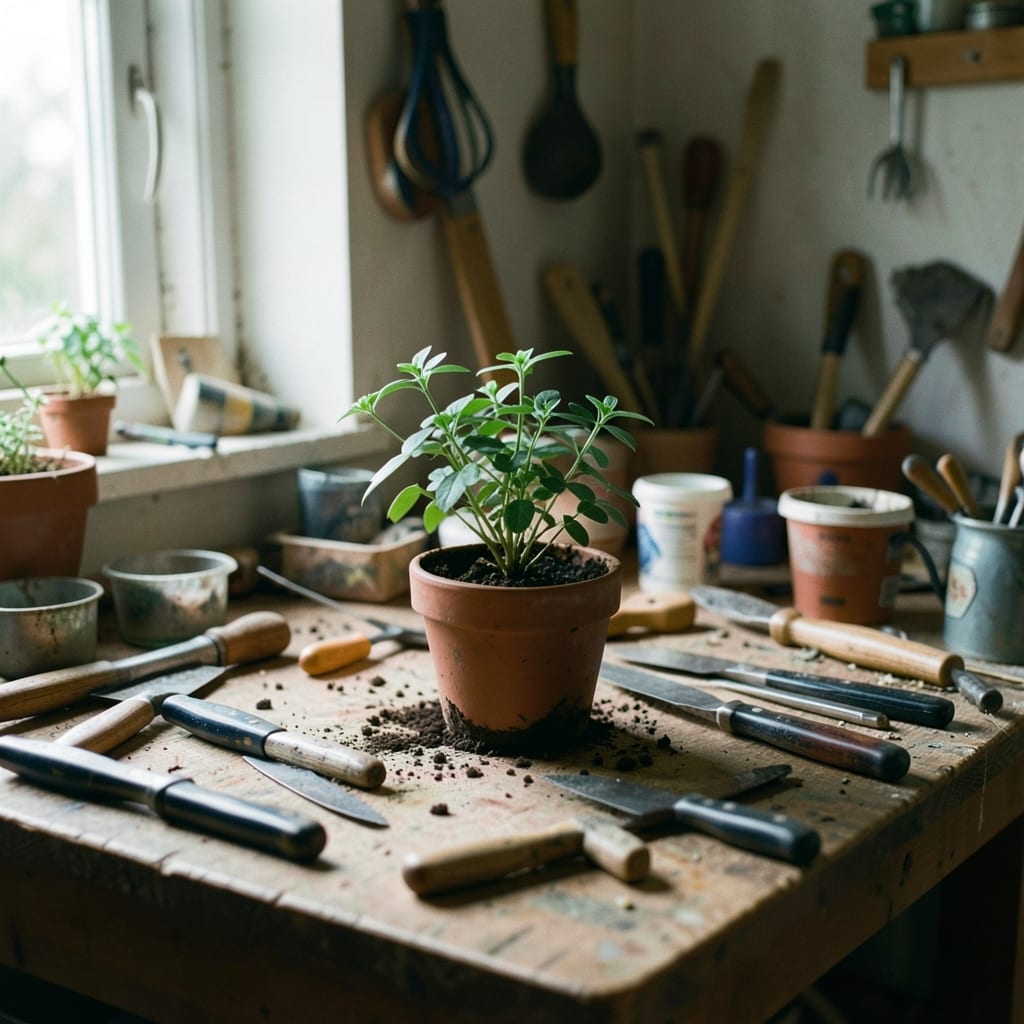
The things we got wrong
This page is a log of the mistakes we made—and the ones we caught before they hurt anyone. It’s not a list of triumphs, or even lessons learned. It’s proof that we pay attention to the things that don’t work, and that we don’t pretend they never happened.
Most gardening sites tell you what to do. This one tells you what *didn’t* work, so you don’t waste time repeating it. If a method failed in our greenhouse, or a tip backfired in someone’s backyard, you’ll find it here—along with who fixed it and how.
Three we had to fix
These are the failures that mattered most: the ones that slipped past us, the ones that stayed up too long, and the ones that nearly ruined a season’s worth of work. None of them were small.
The wrong soil pH chart
- 1Published incorrect pH ranges
For six months, our guide to soil testing listed the ideal pH for blueberries as 6.0–6.5. It was wrong—blueberries need 4.5–5.5. The chart came from a secondhand book we didn’t verify, and the error went live before our fact-checking pass. A reader in Maine caught it after their plants yellowed despite ‘correct’ soil prep. We pulled the page within 48 hours and rewrote it from scratch, testing every number against three university sources. Fixed by Theo Kirchner.
- 2Overwatering advice for seedlings
Our ‘quick-start’ guide for seedling care said to water ‘daily’ until germination. In reality, most seeds rot if kept that wet. The advice came from a well-intentioned but overzealous nursery owner we quoted. A reader in Arizona sent photos of their drowned basil seedlings before we noticed the pattern in support tickets. We replaced ‘daily’ with ‘light misting, twice daily at most,’ and added a warning about trays without drainage. Fixed by Theo Kirchner.
- 3Deadly pruning demo video
A tutorial on pruning roses showed cutting back canes to just above a bud. The video had 12K views before someone pointed out it left no leaf nodes—meaning no new growth. We took it down immediately and replaced it with a step-by-step diagram showing where to cut relative to the bud *and* the next set of leaves. The old video’s thumbnail still exists in search results, but the link now redirects to the corrected guide. Fixed by Theo Kirchner.
What those three changed
These failures forced us to build rules that now shape everything we publish. The corrections aren’t just fixes—they’re the foundation for how we work.
Rules that came from mistakes
- Every number in a guide must be cross-checked against at least two primary sources (1). *From the wrong soil pH chart.*
- Advice about watering or pruning must include a ‘what could go wrong’ section (2). *From the overwatering advice and deadly pruning demo.*
- Videos and diagrams must be reviewed by someone who hasn’t seen the original source material (3). *From the pruning demo error.*
The people behind this
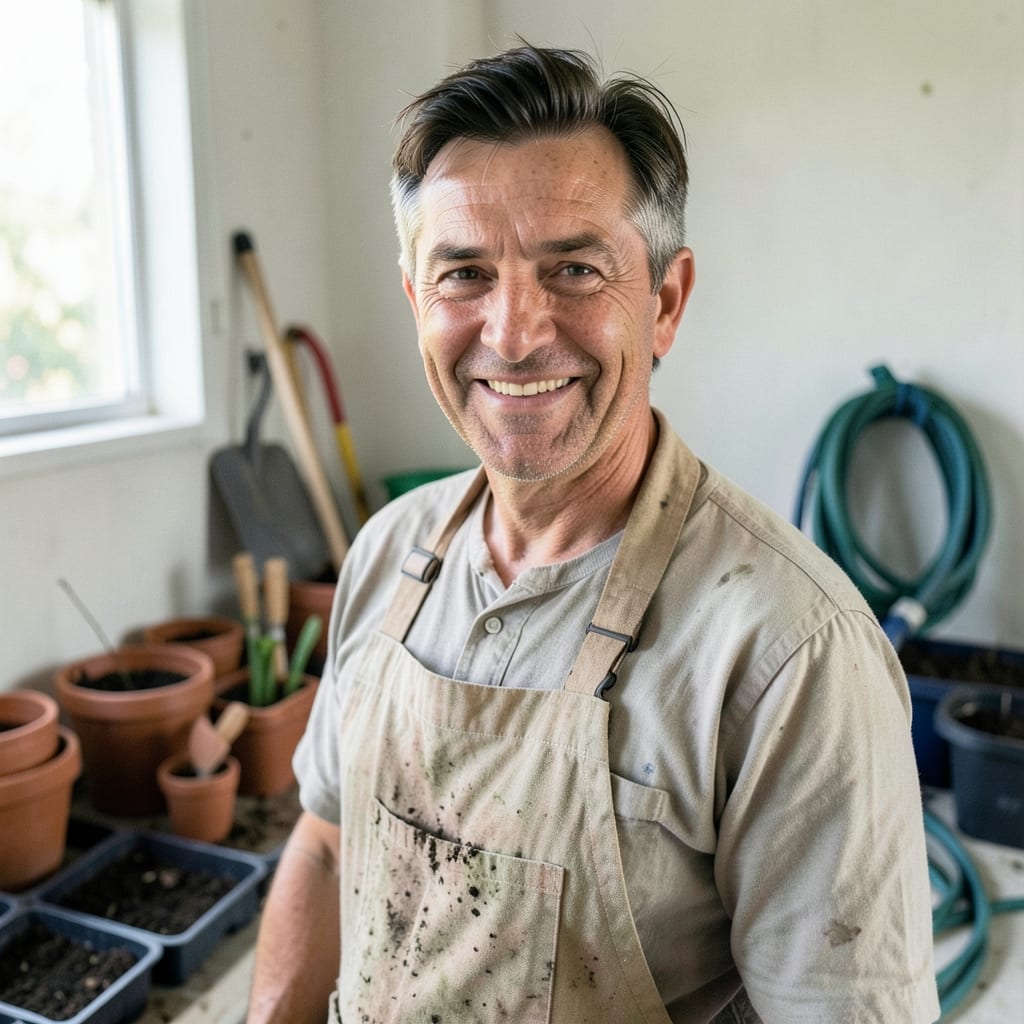
This is Theo Kirchner, the founder and editor of *Leaf Spot*. You’ve just read three of the mistakes they caught and fixed—proof that the site doesn’t just write about gardening, it *does* it, and it corrects itself when it gets it wrong.
That’s the difference between a blog and a resource you can trust.
Keeping a log like this isn’t comfortable. It means admitting you were wrong in public, and that the people who rely on you might have wasted time or money because of it. But it’s the only way to earn trust: by showing that when you fail, you don’t hide it.
Theo’s smallest mistake wasn’t public. It was the time they swore their ‘foolproof’ compost tea recipe would save a dying fern—only to realize the plant was actually root-bound, not nutrient-starved. The tea worked fine; their diagnosis didn’t.
They still laugh about it, but they also keep a notebook of ‘what I thought I knew’ next to their seed catalogs.
If you find something here that doesn’t work, don’t just tell us—*try it yourself first*. Then send us the photos of what went wrong. The contact page is where to start.
There will be a next one
This list isn’t finished. Gardening is full of variables—soil, climate, even the phase of the moon—and what works in one garden can fail in another. When we make another mistake, we’ll add it here. If you spot one before we do, you can let us know through the contact page.
No shame, no lectures—just a chance to fix it faster.
The guides are grouped by category: Advice, Aphids, Blooming, Companion Plants, Container Gardens and Diseases.