
Leaf Blower
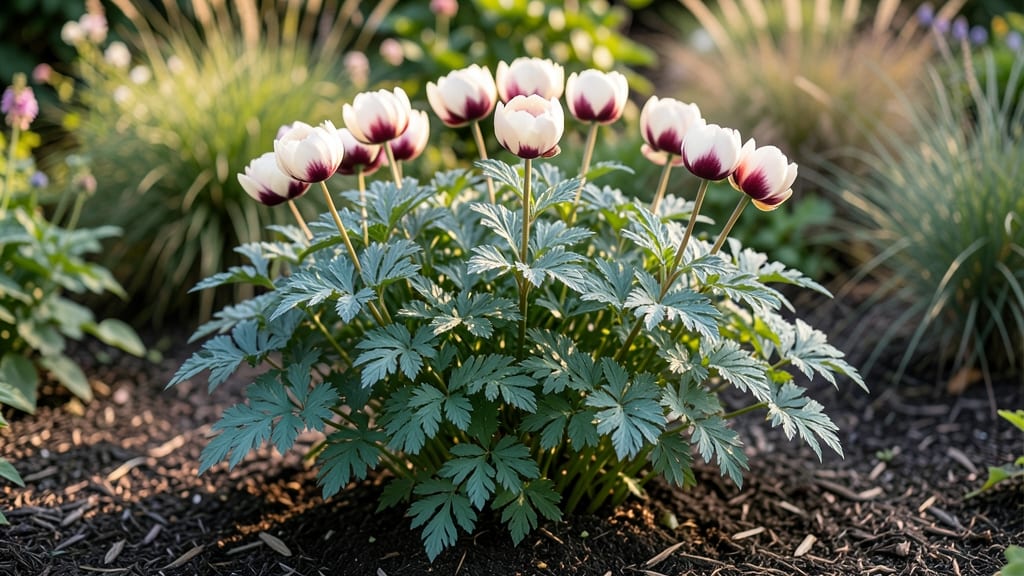
Fern leaf peonies transform your garden with their lush, feathery foliage and romantic blooms—without the fuss of traditional varieties. 🌿 I've grown them for years, and they're the cold-hardy workhorses that bloom reliably even when other perennials struggle.
The secret to their success lies in three simple steps: planting in well-draining soil with full sun, watering deeply but infrequently, and pruning only after blooms fade. Most gardeners overwater or prune too early—both mistakes lead to floppy stems and fewer flowers.
Once established, they thrive for decades with minimal care, making them the perfect low-maintenance star for any garden bed.
📚 In This Guide
- What you need
- Instructions
- Tips and common mistakes
- Wrapping up and next steps
What you need
- ● Fern leaf peony plants (Paeonia 'Fernleaf' or similar cultivars) – 3 to 5 bare-root or container-grown plants (check for healthy roots and buds).
- ● Well-draining soil – Aim for a mix of 50% native soil, 30% compost, and 20% coarse sand or perlite (1–2 cubic yards for a standard garden bed).
- ● Organic mulch – 2–3 inches of wood chips, straw, or shredded bark (enough to cover the root zone after planting).
- ● Slow-release fertilizer – A balanced 10-10-10 or 5-10-10 formula (1–2 pounds per 100 sq. ft. of garden bed).
- ● Watering can or hose with a gentle spray nozzle – For deep, consistent hydration.
- ● Garden trowel or spade – For digging planting holes (6–8 inches deep).
- ● Garden fork or pruning shears – To loosen soil and trim dead foliage.
- ● Measuring tape or ruler – To ensure proper spacing (2–3 feet apart for mature plants).
- ● Garden gloves – Protect your hands from thorns and rough soil.
- ● Epsom salt (magnesium sulfate) – 1 tablespoon per plant annually to boost bloom health.
- ● Peony-specific stakes or cages – To support heavy blooms (especially for taller varieties).
- ● Soil pH test kit – Fern leaf peonies thrive in slightly acidic to neutral soil (pH 6.0–7.0).
- ● Drip irrigation system – For automated, stress-free watering.
Step-by-step instructions for planting fern leaf peonies
Here's the straightforward method I trust to establish strong, blooming fern leaf peonies that thrive in cold climates.
🌱 Step 1: Select and Prepare the Planting Site
Fern leaf peonies need full sun to partial shade—at least 4-6 hours of direct sunlight daily. I choose a location with morning sun and afternoon shade in hotter climates, as this prevents leaf scorch while ensuring enough energy for blooms. The soil should drain well but retain moisture; peonies hate soggy roots but also dry out quickly.
Test your soil's drainage by digging a 12-inch deep hole. If water pools after 10 minutes, amend with 2-3 inches of compost or coarse sand to improve aeration. Fern leaf peonies prefer slightly acidic to neutral soil (pH 6.5-7.5). A simple soil test kit will tell you if you need to adjust with lime or sulfur before planting.
🪴 Step 2: Plant Bare-Root Peonies at the Right Depth
Plant your fern leaf peonies in early fall or late winter, when the ground is workable but not frozen. The key to success is depth: position the "eyes" (buds) of the peony roots 2 inches below the soil surface. If planted too shallow, they won’t bloom; too deep, and they rot. I mark the soil level with a stake before digging to ensure accuracy.
Dig a hole 2 feet wide and deep—peonies need room to spread. Place the roots in the hole, spreading them out gently. Backfill with native soil mixed with 1 cup of bone meal (for phosphorus) and 2 inches of compost2-inch layer of mulch to retain moisture and regulate temperature.
☀️ Step 3: Establish and Maintain for Long-Term Growth
In the first year, focus on root establishment. Water 1-2 times per week during dry spells, keeping the soil evenly moist but not soggy. You’ll know moisture is right when the top 2 inches of soil feel damp to touch. Fertilize lightly in spring with a balanced 10-10-10 formula—peonies don’t need heavy feeding, but a little boost encourages early blooms.
After the first year, reduce watering to once a week unless it’s extremely dry. Fern leaf peonies are cold-hardy but benefit from a 3-inch layer of mulch in winter to protect roots from freeze-thaw cycles. Prune spent blooms by cutting stems back to the first set of leaves in late summer to redirect energy to next year’s flowers.
Tips & tricks for perfect fern leaf peonies
These simple strategies will help you avoid common pitfalls and maximize your fern leaf peonies' potential for years of stunning blooms.
Sunlight Strategy: While 4-6 hours of daily sunlight is ideal, I've found that morning sun paired with afternoon shade creates the perfect balance—especially in warmer climates. This prevents leaf scorch while ensuring enough energy for robust blooms. If your garden gets intense afternoon sun, consider planting near a structure that provides natural shade during peak hours.
Depth Precision: The 2-inch depth for positioning peony eyes is non-negotiable, but here's my trick: use a small wooden stake to mark the exact soil level before planting. I drive the stake next to the hole at the 2-inch mark, then adjust the roots until the eyes align perfectly. This simple visual reference prevents the most common planting mistake that leads to poor blooming.
Soil Test Timing: Conduct your soil test at least 2 weeks before planting to allow time for any needed amendments. I've seen gardeners rush this step and end up with uneven pH levels that stress the plants. For fern leaf peonies specifically, aim for that slightly acidic to neutral range (6.5-7.5)—this is their sweet spot for nutrient uptake and winter hardiness.
Winter Protection: While fern leaf peonies are cold-hardy, that 3-inch winter mulch layer makes all the difference in extreme climates. I use straw rather than leaves because it breaks down more slowly and provides consistent insulation. For extra protection in zones with harsh winters, consider adding a layer of burlap over the mulch during the coldest months.
Pro Tips for Fern Leaf Peonies
- These simple strategies will help you avoid common pitfalls and maximize your fern leaf peonies' potential for years of stunning blooms.
- Sunlight Strategy: While 4-6 hours of daily sunlight is ideal, I've found that morning sun paired with afternoon shade creates the perfect balance—especially in warmer climates.
- Depth Precision: The 2-inch depth for positioning peony eyes is non-negotiable, but here's my trick: use a small wooden stake to mark the exact soil level before planting.
Frequently asked questions
Got questions about fern leaf peonies?
You’re not alone—these stunning perennials spark curiosity! Below, we tackle the most common queries to help you grow them with confidence.
How do I tell if my fern leaf peony is healthy?
A thriving fern leaf peony has deep green, glossy foliage with no yellowing or browning. Look for new shoots in spring and few to no pests (like aphids or spider mites). If leaves appear dull or crispy, it may need more water or shade.
When is the best time to plant fern leaf peonies?
Plant them in early fall or late winter (before buds swell) for optimal root establishment. Avoid planting in summer heat, as roots can dry out. If you miss the window, spring planting works too—just water deeply afterward!
Do fern leaf peonies tolerate cold winters?
These perennials are USDA Zone 3-8 hardy, meaning they survive sub-zero temps with ease. Mulch lightly (2–3 inches) in winter to protect roots, but avoid smothering the crown.
Why aren’t my fern leaf peonies blooming?
Blooms may be sparse if the plant is too young (they often take 2–3 years to flower), over-fertilized (focus on low-phosphorus fertilizer), or stressed by drought/shade. Deadhead spent blooms to encourage reblooming!
What’s a good alternative if I can’t grow fern leaf peonies?
Try tree peonies (like ‘Korean Spice’) for fragrant blooms or Japanese forest grass for texture. For low-maintenance foliage, hostas or heucheras thrive in similar conditions!
Wrapping up and next steps
Fern leaf peonies are a fantastic addition to any garden, offering year-round interest with their lush foliage and stunning blooms. Whether you're a seasoned gardener or just starting out, these cold-hardy perennials are easy to grow and reward you with beauty and resilience. 🌿
Now that you’re equipped with the right tools, tips, and answers, it’s time to roll up your sleeves and bring these stunning plants to life! Start by marking your garden space, prepare the soil, and plant your fern leaf peonies—your future garden will thank you. Happy gardening! 🌸