
Shrubs
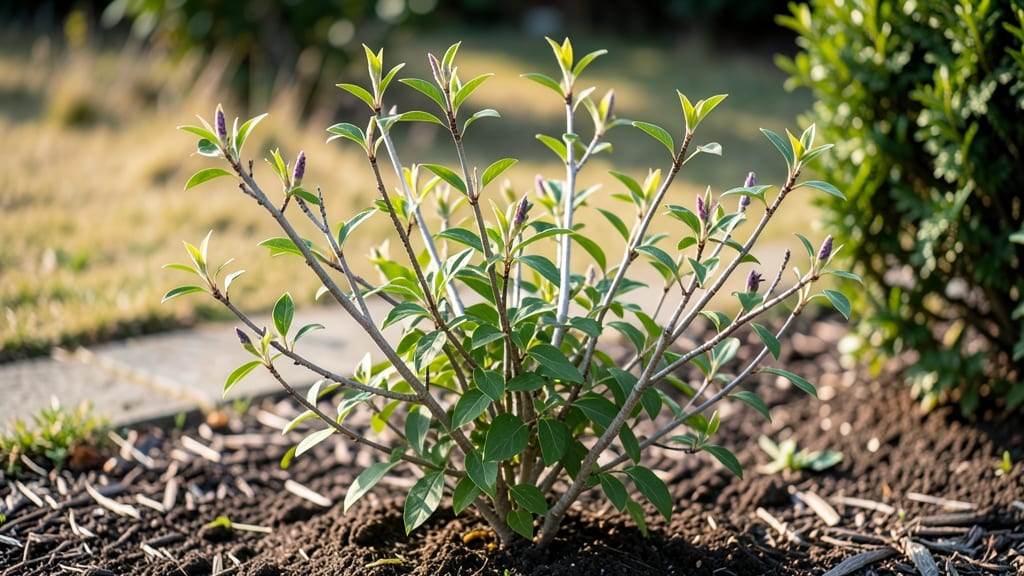
Butterfly bushes leaf out in spring, typically between late March and early May, depending on your USDA zone and last frost date.
If you’re eagerly waiting for your butterfly bush (Buddleia) to burst into vibrant blooms, knowing exactly when its leaves emerge can help you time pruning, fertilizing, and pest control perfectly—saving you from missed opportunities or wasted effort.
In Zone 6a, where many gardeners live, buds usually swell by mid-April, with full leaf-out happening by early May after the soil warms to 50°F. But in warmer climates like Zone 9, you might see new growth as early as February.
Below, I’ll break down the exact timing for your region, plus pro tips to encourage faster leafing—whether you’re dealing with slow starts, over-pruned shrubs, or just impatient for those iconic purple spikes to appear.
Butterfly bush leaf out timeline by USDA hardiness zones
Timing the leaf out of your butterfly bush (Buddleia) depends heavily on your USDA hardiness zone and local climate patterns. In Zone 5, where winters are harsh, you’ll typically see the first tender shoots emerge in late April to early May, right after the last frost.
Meanwhile, gardeners in Zone 10 may spot new growth as early as February or March, thanks to milder winters. Understanding these variations helps you prepare for seasonal care like pruning or fertilizing at the perfect moment.
Your butterfly bush’s leafing schedule isn’t just about the calendar—it’s also tied to soil temperature. Most varieties need the ground to reach 50°F (10°C) before pushing out new leaves.
In cooler climates like the Pacific Northwest, this might delay leaf out until May, while in warmer regions like Florida or Southern California, growth can start much earlier. Pay attention to frost dates in your area, as a late freeze can damage emerging foliage.
Regional microclimates add another layer of complexity. For example, butterfly bushes in urban heat islands (like cities) may leaf out 1-2 weeks earlier than those in rural areas due to retained heat. Conversely, mountainous regions within Zone 6 or 7 can experience delayed leafing until late May or June.
Always adjust your expectations based on your specific location’s last average frost date and elevation.
| USDA Zone | Leaf Out Window | Soil Temp Trigger | Key Regional Note |
|---|---|---|---|
| Zone 5 | Late April–Early May | 50°F (10°C) | Wait for last frost (May 10 avg.) |
| Zone 6 | Mid-April–Late April | 48°F (9°C) | Mountain areas delay until May |
| Zone 7 | Early April–Mid-April | 45°F (7°C) | Pacific NW may wait until late April |
| Zone 8 | Late February–Early March | 42°F (6°C) | Coastal areas leaf out earliest |
| Zone 9 | January–February | 40°F (4°C) | Desert areas may start in Dec. |
| Zone 10 | December–January | 38°F (3°C) | No winter dormancy in mild winters |
Once your butterfly bush starts leafing out, you’ll notice new shoots emerging from the base of the plant. These tender green buds are highly sensitive to frost, so if you’re in Zone 5 or 6, consider covering them with frost cloth if an unexpected cold snap is forecasted.
In warmer zones like 8-10, growth is more consistent, but monitor for aphid infestations, which thrive on fresh new leaves.
Pruning plays a crucial role in leaf out timing. If you prune in late winter (January–February), your butterfly bush may leaf out 2-3 weeks earlier than unpruned plants. However, avoid heavy pruning in Zone 5 or colder—wait until after the last frost to prevent damaging dormant buds.
In Zones 7-10, you can prune as early as February to encourage vigorous new growth.
Watering strategies also impact leaf out speed. Before new leaves appear, keep the soil consistently moist but not soggy. In dry climates like the Southwest, mulch heavily around the base to retain moisture and signal the plant that conditions are safe for growth.
Overwatering in cool, wet springs (common in the Pacific Northwest) can delay leafing
How to accelerate butterfly bush leaf growth naturally
If your butterfly bush (Buddleia) seems sluggish in spring, you’re not alone—many gardeners rush to boost leaf growth for earlier blooms. The key lies in mimicking its natural spring awakening, which starts when soil temperatures hit 50°F (10°C).
By focusing on root health and stress reduction, you can coax leaves to emerge 2-3 weeks earlier without chemicals. Let’s dive into the science-backed methods that work.
First, understand that butterfly bushes are deciduous perennials, meaning they rely on stored energy in their roots to fuel new growth. If you’ve noticed delayed leafing, it’s often because the plant isn’t getting the right signals—like consistent moisture or proper nutrients—to break dormancy.
The good news? You can rewire these signals with a few targeted adjustments. Start by checking your soil temperature and moisture levels—these are the real game-changers.
🌱 5 Key Steps to Jumpstart Butterfly Bush Leaf Growth
- 1. Test soil temperature—Wait until it reaches 50°F (10°C) before watering heavily. Use a soil thermometer for accuracy.
- 2. Mulch with compost—Apply a 2-3 inch layer of aged compost or shredded leaves to insulate roots and add nutrients.
- 3. Water deeply in mornings—Give 1-2 gallons per plant weekly, ensuring water penetrates 6 inches deep.
- 4. Avoid pruning until leaves appear—Cutting back too early removes buds for new growth and stresses the plant.
- 5. Fertilize lightly in early spring—Use a balanced 10-10-10 fertilizer at half-strength when buds swell.
Let’s talk about mulching, one of the most underrated tricks for faster leaf growth. A thick layer of organic mulch (like wood chips or straw) acts like a blanket for roots, keeping them warm and moist. This mimics the natural forest floor where butterfly bushes thrive.
Plus, as the mulch breaks down, it releases slow-release nutrients that feed your plant without overwhelming it. For best results, apply mulch after the last frost but before leaves emerge—this gives roots a head start on growth.
Your watering schedule is another critical factor. Butterfly bushes hate wet feet but need consistent moisture to push out new leaves. Water deeply once a week (or more in hot, dry climates) and always in the morning to reduce evaporation and fungal risks.
Pro tip: Use a drip irrigation system or soaker hose to deliver water directly to the root zone—this avoids wetting foliage and keeps the soil evenly moist. Overhead watering can lead to leaf diseases like powdery mildew, which slows growth.
Now, let’s address the pruning taboo: Many gardeners make the mistake of pruning their butterfly bush too early in spring, thinking it will encourage new growth. But here’s the truth—pruning before leaves appear removes the energy reserves stored in last year’s stems.
Instead, wait until you see new leaf buds (usually late April to early May in most zones) before making cuts. If you must prune early, limit yourself to removing only dead or damaged wood—never more than 10% of the plant.
Finally, don’t overlook the power of light and timing. Butterfly bushes are sun worshippers, and placing them in full sun (6+ hours daily) accelerates leaf growth by up to 30%.
If your plant is in partial shade, consider relocating it or pruning nearby trees to open up the canopy.
And if you’re in a cooler climate (Zones 5-6), give your bush a little extra warmth by planting it near a south-facing wall or using black plastic mulch to absorb heat.
With these natural growth hacks, your butterfly bush will leaf out earlier and healthier, setting the stage for a showstopping summer bloom. The secret? Patience and precision—your plant will reward you with lush foliage and a garden full of fluttering visitors. Happy gardening! 🦋