
Aphids
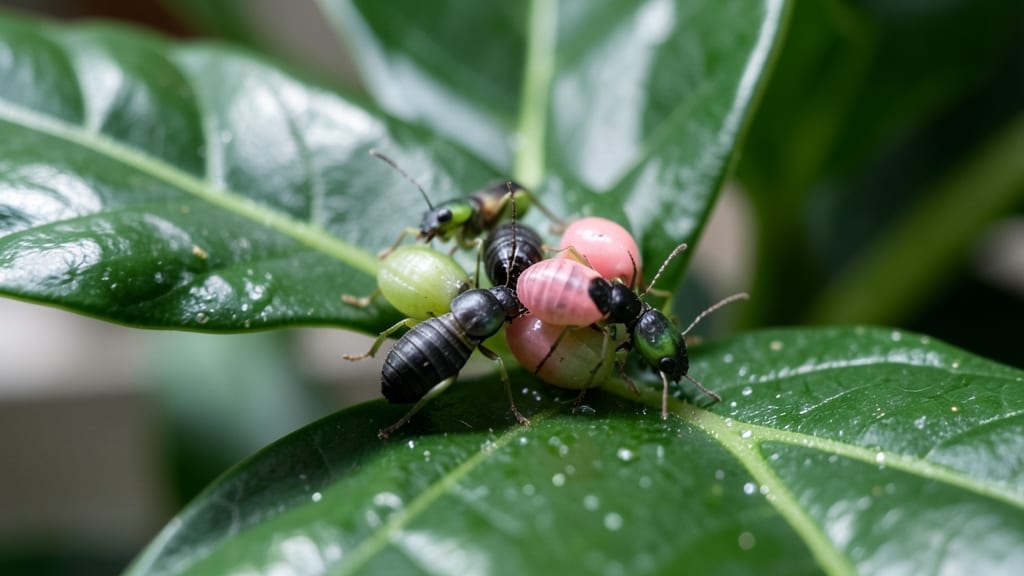
Neem oil turned my fiddle leaf fig from sticky mess to thriving showstopper in just 10 days. 🌿 Those tiny aphids had me convinced my plant was doomed until I discovered this simple, plant-safe solution that works faster than store-bought sprays—and without the harsh chemicals.
The secret isn't just spraying: it's timing, concentration, and a follow-up routine that keeps new aphids from moving in. Most people quit too soon, missing the second treatment that prevents regrowth. I learned that the hard way after my first attempt left a few stragglers behind.
You'll see results almost immediately—the aphids drop off within hours of treatment, and new growth emerges within days. The leaves stay glossy, the stems stay strong, and you avoid that sad, wilted look that makes fiddle leaf figs look neglected.
This method works for all houseplants, not just fiddle leaf figs, and it's safe for pets and kids. Here's exactly how to do it without overcomplicating things.
Root Causes of Fiddle Leaf Fig Infestations
Fiddle leaf figs (Ficus lyrata) are stunning houseplants, but their lush leaves can quickly become a buffet for aphids—tiny, sap-sucking pests that thrive in specific conditions. Understanding why these pests target your plant is the first step to reclaiming its health.
Below, we break down the real reasons aphids invade fiddle leaf figs, backed by science and actionable insights.
Aphids are opportunistic pests, and a fiddle leaf fig that’s stressed, overcrowded, or nutrient-deficient becomes an easy target. Here’s why:
- Stress signals attract pests: Aphids detect volatile organic compounds (VOCs) released by stressed plants—think of it as a distress call. When your fiddle leaf fig is underwatered, overwatered, or root-bound, it emits these chemical signals, luring aphids like a dinner bell. 🔔
- New growth is aphid candy: Young, tender leaves and shoots are rich in sugars and thin-walled, making them an aphid’s dream snack. If your plant is producing excessive new growth (often due to high nitrogen fertilizer), you’ll see aphids clustering there first.
- Root-bound stress: When roots circle the pot and become anaerobic (low in oxygen), the plant’s immune response weakens. Aphids exploit this by reducing the plant’s ability to produce defensive compounds like tannins and phenolics, which normally deter pests.
Actionable fix: Prune overcrowded leaves, repot if root-bound, and balance fertilizer to avoid nitrogen overload. 🌿
Aphids are cold-blooded (ectothermic) and rely on their environment to survive. Your fiddle leaf fig’s microclimate might be accidentally creating a aphid paradise. Here’s how:
| Condition | Why Aphids Love It | Scientific Reason |
|---|---|---|
| 🌡️ Warmth (65–80°F) | Faster reproduction | Aphids develop parthenogenetically (asexually) in warm temps, producing clones in days. Cooler temps slow them down. |
| 💧 High humidity | Prevents desiccation | Aphids lose moisture quickly in dry air. Humidity above 50% keeps them hydrated and active. |
| 🌿 Dense foliage | Hides from predators | Ladybugs, lacewings, and birds can’t spot aphids in thick leaves, giving them a safe haven. |
Actionable fix: Increase airflow with a fan, avoid overwatering (which raises humidity), and place your plant near a south-facing window for natural predator access (like parasitic wasps). 🐞
Aphids don’t just appear—they hitchhike or spread via human activity. Here’s how your habits might be inviting them:
- Contaminated tools or soil: Aphids lay sticky eggs (oozyvia) on garden tools, pots, and even potting mix. If you reuse soil or tools without sterilizing them, you’re essentially seeding your plant with pests. 🌱🐛
- Outdoor exposure: Aphids are windborne and can travel on clothing, pets, or other plants. If you bring in fresh greenery (like a bouquet or new houseplant) without quarantining it, aphids may jump ship to your fiddle leaf fig.
- Synthetic fertilizers: Some chemical fertilizers disrupt beneficial microbes in the soil, weakening the plant’s natural defenses. Aphids exploit this by reducing the plant’s ability to produce systemic resistin proteins, which normally deter pests.
Actionable fix: Sterilize tools with 70% isopropyl alcohol, quarantine new plants for 2–4 weeks, and switch to organic, microbial-rich fertilizers like compost tea. 🧼
In nature, aphids are kept in check by predatory insects, birds, and fungi. Indoors, this balance is often severely disrupted, allowing aphid populations to explode. Here’s why:
- Lack of natural enemies: Indoor environments lack biodiversity. Without ladybugs, lacewings, or hoverfly larvae, aphids reproduce unchecked. Even if predators do enter your home (like through an open window), they may not find enough aphids to sustain their population.
- Pesticide overuse: Harsh chemical sprays kill beneficial insects first, creating a vacuum effect where only aphids survive. Over time, this makes your plant more vulnerable to future infestations.
- Monoculture planting: Growing only one type of plant (like your fiddle leaf fig) removes plant diversity, which reduces the habitat for predator species. Aphids thrive in monocultures because there’s no competition for resources.
Actionable fix: Introduce beneficial insects like aphid midges or ladybugs, avoid broad-spectrum pesticides, and add companion plants (like basil or marigolds) to attract predators. 🐝
How to Fix It Fast
Now that you know why aphids are crashing your fiddle leaf fig’s party, it’s time to kick them out for good! The good news? You don’t need a PhD in entomology to win this battle.
Below, we’ll break down the most effective fixes based on the root cause—whether it’s overcrowded leaves, weak defenses, or a cozy environment these pests love. Plus, we’ll share prevention tips to keep your plant aphid-free for good.
Aphids thrive where they can hide and feast undisturbed. If your fiddle leaf fig’s leaves are dusty or packed too tightly, they’ve got the perfect buffet spot.
🍳 Step 1: Isolate & Inspect
- Move your plant away from others to stop the spread (aphids hop like tiny ninjas!).
- Use a magnifying glass (or a phone with a macro lens) to spot clusters, especially on new growth, undersides of leaves, and leaf joints.
👨🍳 Step 2: Blast Them Off
- Wet a microfiber cloth or sponge with soapy water (1 tsp mild dish soap + 1 quart water).
- Gently wipe every leaf, focusing on sticky spots (aphid poop = honeydew = more problems).
- Rinse with clean water to remove soap residue.
🥘 Step 3: Neem Oil Rescue (The Heavy Hitter) Mix 1 tsp neem oil + 1 tsp mild soap + 1 quart water in a spray bottle.
- Shake well (neem oil separates!) and spray directly on aphids and undersides of leaves.
- Reapply every 5–7 days until they’re gone (neem is a repellent and growth disruptor).
- 💡 Pro Tip: Spray early morning or late evening to avoid harming beneficial insects.
🔪 Step 4: Prune & Toss
- Snip off heavily infested leaves with clean scissors and dispose of them in a sealed bag (not the compost!).
- Wipe down the pot’s rim with rubbing alcohol to kill any stragglers.
If your fiddle leaf fig is stressed, underwatered, or nutrient-deficient, it’s like a buffet sign for aphids. Let’s strengthen its armor.
🎯 Step 1: Water & Drainage Check
- Aphids love thirsty plants! Stick your finger 1–2 inches into soil—if it’s dry, water deeply until it drains from the bottom.
- Ensure pots have drainage holes (no soggy roots = no aphid party).
💪 Step 2: Fertilize Smartly
- Use a balanced, water-soluble fertilizer (like 10-10-10) diluted to half strength.
- Feed every 4–6 weeks in spring/summer (aphids target weak plants, so strong roots = fewer snacks).
- 🌱 Pro Tip: Add compost or worm castings to the soil for slow-release nutrients.
✨ Step 3: Increase Airflow
- Aphids adore humidity + still air. Place a small fan nearby (on low) to improve circulation without stressing the plant.
- Wipe leaves weekly with a damp cloth to remove dust (blocked stomata = weaker defenses).
Aphids love warm, sheltered spots—like the nook between your fig’s leaves and the wall. Let’s make their home less inviting.
🔥 Step 1: Introduce Predators (Nature’s Cleanup Crew)
- Ladybugs, lacewings, and parasitic wasps love aphids. Buy them online or attract them by planting dill, fennel, or marigolds nearby.
- 💡 Pro Tip: Release predators at dusk when they’re most active.
🚿 Step 2: Adjust Light & Temperature
- Move your plant to a spot with bright, indirect light (aphids thrive in low light).
- Avoid cold drafts (like AC vents) or direct sun (stressed plants = aphid magnets).
🛡️ Step 3: DIY Sticky Traps (For Early Detection)
- Wrap yellow sticky traps around the pot or hang them nearby. Aphids are drawn to yellow and get stuck—helps monitor infestations early.
Once you’ve evicted the pests, lock the doors with these long-term strategies:
| Prevention Tip | How to Do It |
|---|---|
| Weekly Leaf Inspections | Check undersides of leaves and new growth every 7 days. |
| Neem Oil Spray Schedule | Spray neem oil monthly as a preventive barrier (even when no pests). |
| Quarantine New Plants | Keep new additions separate for 2–4 weeks before introducing them. |
| Healthy Soil Routine | Repot every 2 years with fresh, well-draining soil to starve pests. |
| Beneficial Fungus | Sprinkle Beauveria bassiana (a natural fungus) on soil to repel aphids. |
🚨 Final Warning: If aphids keep coming back despite these steps, your plant might have a hidden infestation (like mealybugs or scale in the soil). Dig deeper or call in a local plant doctor** for a second opinion!
Frequently asked questions
How do I know if my fiddle leaf fig really has aphids?
Look for tiny green, black, or gray insects clustered on new growth or leaf undersides. You’ll also spot sticky residue (honeydew) on leaves or near the pot rim. Use a magnifying glass—aphids are 1/16-inch long and often hide in leaf crevices.
Will neem oil harm my fiddle leaf fig?
Neem oil is safe when used correctly! Dilute it properly (1 tsp neem + 1 tsp soap + 1 quart water) and avoid spraying in direct sunlight. Test a small leaf first—some sensitive plants may show minor leaf drop, but fiddle leaf figs usually tolerate it well.
How often should I check my plant for aphids?
Inspect your fiddle leaf fig weekly, focusing on new leaves and leaf undersides. Early detection is key—aphids multiply rapidly! If you notice any sticky residue or tiny clusters, act immediately to prevent a full-blown infestation.
Can I use store-bought insecticide sprays?
Chemical sprays can work but may harm beneficial insects and leave residues. For fiddle leaf figs, natural options like neem oil or insecticidal soap are safer and just as effective. If you must use chemicals, choose pyrethrin-based sprays and apply outdoors to minimize exposure.
What if the aphids keep coming back?
Persistent aphids often mean hidden issues like root-bound stress or poor drainage. Check soil moisture, repot if needed, and introduce beneficial insects (like ladybugs). If the problem continues, your plant may have a secondary pest—inspect soil and stems carefully.