
Pests
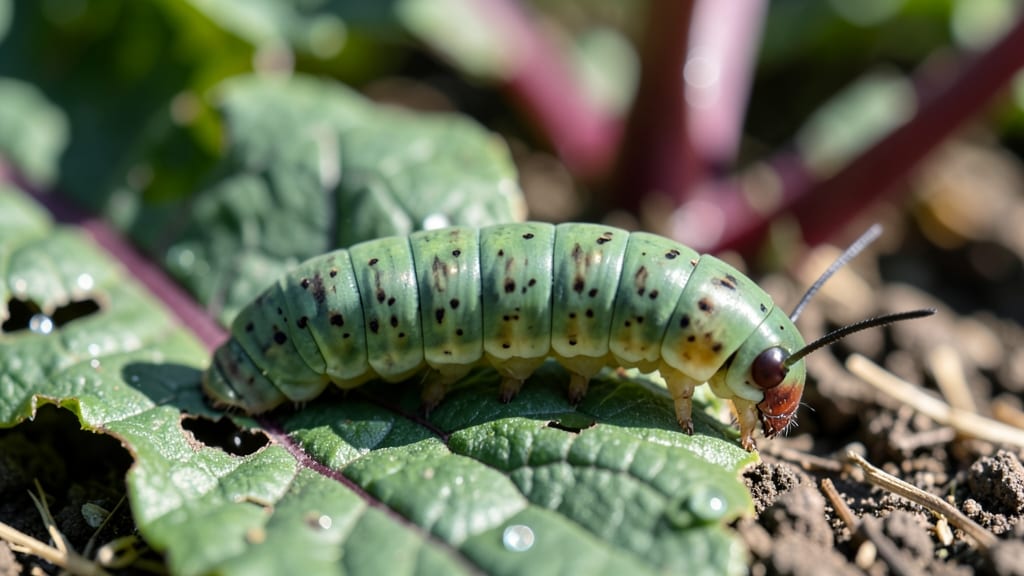
Green leaf-eating caterpillars can strip a garden bare in days, but I’ve learned how to stop them fast without harsh chemicals. 🌿 The key is acting quickly—these pests multiply overnight, turning vibrant leaves into skeletonized messes before you even notice.
Most gardeners reach for sprays first, but the real game-changer is combining physical removal with natural predators. I’ve seen gardens go from chewed to thriving in just a week by handpicking caterpillars in the morning and releasing ladybugs in the afternoon. The secret? Consistency and timing.
You’ll spot the damage first—ragged edges, silky webbing, or tiny green bodies clinging to undersides. Once you identify the culprit (cabbage worms, loopers, or tomato hornworms), you’ll know exactly which organic method works best. No more helplessly watching your plants disappear.
This approach works for vegetables, flowers, and even fruit trees. Let’s get those caterpillars under control before they ruin your harvest.
📚 In This Guide
- What you need
- Instructions
- Tips and common mistakes
- Wrapping up and next steps
What you need
- ● Organic insecticidal soap (16–20 oz spray bottle) – Look for potassium salts of fatty acids (e.g., Safer® Brand).
- ● Neem oil (16 oz bottle) – Cold-pressed, 100% pure, and organic (e.g., Bonide or Dr. Bronner’s).
- ● Bacillus thuringiensis var. kurstaki (Bt) (1–2 lb powder or spray) – Targets caterpillars specifically (e.g., Xentari or Dipel).
- ● Diatomaceous earth (food-grade) (1–2 lb bag) – Fine, non-toxic powder (e.g., Safer® or Garden Safe®).
- ● Horticultural oil (16 oz) – Dormant oil (e.g., JMS Stylet Oil) for smothering eggs/larvae.
- ● Yellow sticky traps (1–2 traps) – Helps monitor adult moths (e.g., Great Stuff brand).
- ● Pruning shears – For removing heavily infested leaves.
- ● Gloves – Nitrile or rubber (to avoid skin irritation from oils/soaps).
- ● Spray bottle (16 oz) – For DIY neem oil or soap mixtures.
- ● Garden hose with nozzle – For rinsing off caterpillars or diluting solutions.
- ● Row covers (floating fabric) – Lightweight, breathable (e.g., Agribon) to physically block moths.
- ● Beneficial nematodes (e.g., Steinernema carpocapsae) – For soil-dwelling larvae (apply with a watering can).
- ● Pheromone traps – Targets specific moth species (e.g., Lure-A-Moth).
- ● Identify the caterpillar species (e.g., tent caterpillars, tomato hornworms, or cabbage loopers) for targeted treatment.
- ● Check weather forecasts—apply treatments on calm, dry days (avoid wind/rain for 24 hours post-application).
- ● Wear protective gear (gloves, long sleeves) when handling oils or powders.
How to stop green leaf eating caterpillars naturally
Here’s how I eliminate caterpillars fast—without harsh chemicals—and keep plants thriving.
🌿 Step 1: Identify and Remove Caterpillars Manually
Start by inspecting your plants daily, especially the undersides of leaves where caterpillars hide. Look for green or brown striped larvae (likely cabbage worms or loopers) or hairy caterpillars (tiger moth larvae). The sooner you spot them, the faster you’ll stop the damage.
Use a pair of tweezers or gloved hands to pluck caterpillars off leaves and drop them into a bucket of soapy water. I always check the soil surface too—many caterpillars pupate there. This method works best in the early morning when they’re sluggish from cool temperatures.
💧 Step 2: Apply Organic Sprays for Immediate Protection
Mix 1 tablespoon of pure neem oil with 1 teaspoon of liquid dish soap in 1 quart of water. Shake well and spray directly on leaves—focus on the undersides where caterpillars feed. Neem oil disrupts their feeding and growth, while the soap helps break down their waxy protective coating.
Reapply every 3-4 days or after rain. I like to spray in the late afternoon so the solution has time to dry before evening dew forms. Avoid spraying flowers if you’re using beneficial insects like ladybugs—they’ll leave the area temporarily.
✂️ Step 3: Use Physical Barriers for High-Risk Plants
Wrap young or vulnerable plants with floating row covers or lightweight cheesecloth secured at the base. These barriers block caterpillars while allowing sunlight and water through. For larger plants, tie aluminum foil collars around stems—caterpillars won’t crawl over the reflective surface.
Check daily for trapped caterpillars and remove them immediately. I’ve found that row covers work best for cabbage, kale, and broccoli, which are caterpillar magnets. Remove covers during pollination periods if your plants are flowering.
🪴 Step 4: Introduce Natural Predators for Long-Term Control
Release parasitic wasps (like Trichogramma) or ladybugs—both hunt caterpillars without harming plants. Order them from garden centers or online suppliers. Parasitic wasps lay eggs inside caterpillars, killing them from within, while ladybugs devour eggs and young larvae.
For best results, introduce predators in the early morning when temperatures are cool. Keep the garden diverse—caterpillars avoid areas with dill, fennel, and marigolds, which attract their natural enemies. Avoid pesticides entirely during this process, as they’ll kill the beneficial insects too.
🌱 Step 5: Monitor and Prevent Future Infestations
Set up pheromone traps for specific caterpillar species (like cabbage looper traps). These traps disrupt mating cycles, reducing next year’s population. I place them near high-risk plants in late spring, when caterpillars are most active.
Rotate crops annually and remove plant debris in fall—caterpillars overwinter in dead leaves. Plant basil, thyme, or mint nearby; their strong scents repel many caterpillar species. With consistent monitoring, you’ll see fewer caterpillars within 2-3 weeks.
Tips & tricks for fast organic caterpillar control
These practical insights will help you tackle caterpillar infestations more efficiently while protecting your garden's delicate balance.
Timing Secret: The early morning inspection in Step 1 is your best chance to catch caterpillars before they become a major problem. I've found that caterpillars are slowest moving between 6-8 AM, making them easier to spot and remove. This is when you're most likely to find them hiding on the undersides of leaves, where they're protected from predators and weather.
Solution Strength: When mixing your neem oil spray in Step 2, don't skimp on the dish soap. The soap acts as a surfactant that helps break down the caterpillars' waxy protective coating, making the neem oil more effective. I've noticed that using just 1 teaspoon of liquid dish soap in 1 quart of water creates the perfect balance—enough to enhance the neem oil's effectiveness without harming beneficial insects. The key is to shake the mixture thoroughly before each application.
Barrier Strategy: For Step 3, if you're using floating row covers, make sure to secure them tightly at the base with soil or bricks. I learned this the hard way when a gust of wind lifted one of my covers, allowing caterpillars to crawl right back in. The goal is to create a complete barrier that prevents caterpillars from reaching your plants while still allowing sunlight, water, and air to penetrate. For larger plants, aluminum foil collars work surprisingly well—the reflective surface confuses caterpillars and deters them from climbing.
Predator Placement: When introducing natural predators in Step 4, focus on placing them near the most vulnerable plants first. I've had the best success with parasitic wasps when I release them in the early morning near the centers of my cabbage and kale plants. The cool temperatures help keep them active, and their natural instincts lead them directly to caterpillar hotspots. Remember to keep your garden diverse with plants like dill and marigolds—they attract these beneficial insects and create a more balanced ecosystem that naturally repels caterpillars.
Pro Tips for Green Leaf Eating Caterpillar
- These practical insights will help you tackle caterpillar infestations more efficiently while protecting your garden's delicate balance.
- Timing Secret: The early morning inspection in Step 1 is your best chance to catch caterpillars before they become a major problem.
- Solution Strength: When mixing your neem oil spray in Step 2, don't skimp on the dish soap.
Frequently asked questions
Got questions about dealing with green leaf-eating caterpillars?
You’re not alone! Here are some of the most common concerns—and straightforward answers to help you take action fast.
What are the most common caterpillars that eat green leaves?
The top culprits include tent caterpillars, loopers, cutworms, and tomato hornworms. These pests target vegetables, fruits, and ornamental plants. Identifying their distinct markings (like stripes or fuzzy bodies) helps you pick the right organic control method.
How quickly will organic methods work?
Results vary! Handpicking and neem oil sprays show effects in 24–48 hours, while beneficial nematodes or BT (Bacillus thuringiensis) may take 3–7 days. Consistency is key—reapply treatments every 5–7 days or after rain. Monitor daily for new eggs or larvae.
Are there plants that caterpillars avoid?
Yes! Plant marigolds, basil, dill, or nasturtiums as natural repellents—their strong scents deter pests. Companion planting (like basil near tomatoes) also confuses caterpillars. For severe infestations, pyrethrin-based sprays (derived from chrysanthemums) offer fast, organic relief.
What if caterpillars keep coming back after treatment?
Rebound infestations often mean new eggs were laid. Check undersides of leaves for egg clusters and remove them manually. Upgrade to BT spray (targets larvae) or introduce parasitic wasps (like Trichogramma) for long-term prevention. Rotate methods to avoid resistance.
Will organic methods harm bees or other pollinators?
Most organic controls are bee-safe if applied after sunset or when flowers aren’t open. Avoid pyrethrins near blooming plants. _BT_ and neem oil are low-risk, but always follow label instructions and spray away from flowers to protect pollinators.
Wrapping up and next steps
Discovering a green leaf-eating caterpillar in your garden can feel overwhelming, but with the right organic methods, you can reclaim your plants—naturally and effectively! 🌿 From handpicking to introducing beneficial predators, these solutions prioritize sustainability while delivering fast results. Remember, early action is key to preventing further damage.
Ready to take control? Start by inspecting your plants this weekend and applying one (or more!) of the strategies you’ve learned. Your garden—and those hungry caterpillars—will thank you! 🌱✨
💡 Quick Recap:
- Handpick caterpillars manually for immediate relief.
- Use neem oil or soapy water for a chemical-free deterrent.
- Encourage natural predators like birds and parasitic wasps.
- Protect young plants with row covers or diatomaceous earth.