
Aphids
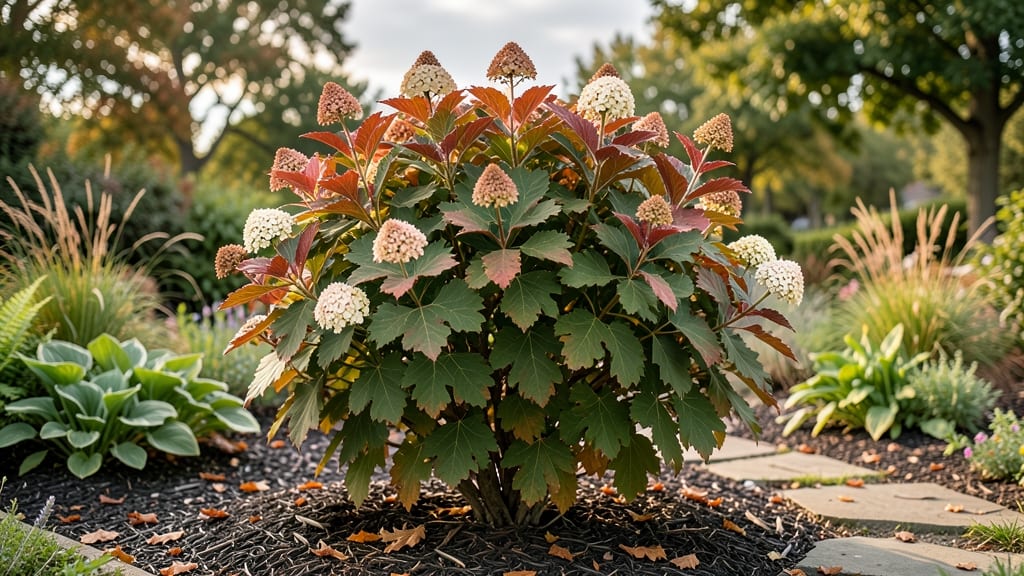
Your oakleaf hydrangea could reach 10-15 feet tall—or stay compact with the right pruning. 🌿 I’ve watched mine grow from a small pot to a stately shrub in just five years, and the secret to controlling its height lies in understanding its natural growth patterns and when to intervene.
These hydrangeas grow 2-3 feet per year when happy, with their signature oak-shaped leaves emerging in spring and bold fall color that outshines most shrubs.
The key to keeping them manageable is pruning in late winter or early spring before new growth begins, removing no more than 25% of the plant at a time.
With proper pruning, you’ll encourage bushier growth and shorter stems, turning a potential tower into a 6-8 foot statement plant that fits any garden. The best part? Oakleaf hydrangeas thrive in partial shade, making them perfect for under trees or along shady fences where space is limited.
For best results, focus on removing old wood and thinning out crowded branches. The payoff? A hydrangea that stays in proportion with your landscape while still delivering those stunning white summer blooms and fiery fall foliage.
📚 In This Guide
- What you need
- Instructions
- Tips and common mistakes
- Wrapping up and next steps
What you need
- ● Hand pruners – Sharp, bypass-style pruners (for clean cuts on smaller stems). Quantity: 1 pair.
- ● Loppers – For thicker branches (up to 2 inches in diameter). Quantity: 1 pair.
- ● Gloves – Heavy-duty gardening gloves (to protect from thorns and sap). Recommended: Nitrile-coated for grip.
- ● Disinfectant (70% isopropyl alcohol or rubbing alcohol) – 1 small bottle to sterilize tools between cuts and prevent disease.
- ○ Rake or leaf blower – To clear debris after pruning. Optional but helpful!
- ● Know your hydrangea’s age – Oakleaf hydrangeas bloom on old wood, so timing and cuts depend on whether it’s young (under 3 years) or mature (3+ years).
- ● Weather check – Prune on a dry, overcast day (avoid rain or extreme heat).
- ● Safety first! – Wear long sleeves and closed-toe shoes (hydrangeas can have sharp edges!).
- ○ Optional: Pruning sealant – Only needed if cutting large branches (to prevent sap loss). Quantity: Small tube.
Instructions for pruning oakleaf hydrangea for compact growth
Here’s the proven pruning method I use to keep oakleaf hydrangeas lush and manageable—without sacrificing blooms or health.
✂️ Step 1: Time Your Pruning for Maximum Impact
Prune your oakleaf hydrangea in late winter or early spring, just as new growth begins but before buds swell. This timing ensures you remove last year’s dead stems while leaving next year’s flower buds intact. Oakleaf hydrangeas bloom on old wood, so avoid cutting back until you’re certain no dormant buds remain.
Real talk: If you prune too early, you risk removing flower buds before they’ve formed. If you wait too long, you’ll encourage leggy growth. The best cue is when new shoots appear at the base—that’s your signal to start. Grab your pruners and work on a dry, sunny day to minimize stress on the plant.
✂️ Step 2: Remove Dead or Weak Stems First
Start by identifying last year’s dead or damaged stems—these are brown, brittle, or hollow inside. Cut these back to the base of the plant using clean, sharp pruners to avoid tearing the bark. Oakleaf hydrangeas are forgiving, but removing dead wood early prevents disease and pests from moving into the plant.
Next, look for stems that are thin, spindly, or growing inward. These compete with stronger growth and create a messy center. Snip these back to a healthy outward-facing bud or lateral branch. You’ll see a noticeable improvement in airflow and light penetration after this step—critical for preventing fungal issues.
✂️ Step 3: Shape for Compact Growth
To encourage a fuller, bushier shape, focus on selective pruning rather than shearing. Cut back one-third of the oldest stems to the ground—these are the largest, often bare stems that drain energy from the plant. This rejuvenation pruning stimulates new growth from the base, creating a denser, more compact plant over time.
For the remaining stems, trim back to a strong outward-facing bud or lateral branch. Avoid cutting into the center of the plant, as this can create a hollow area. Step back occasionally to visualize the shape—your goal is a rounded, layered silhouette that catches light from all angles. Oakleaf hydrangeas respond beautifully to this method, producing larger, more vibrant blooms in the coming season.
✂️ Step 4: Lighten Up for Airflow and Health
Thin out any overcrowded branches to improve airflow, which is key to preventing powdery mildew—a common issue with hydrangeas. Aim to leave 3-5 strong stems per plant, prioritizing those with the most vigorous growth and flower buds. You’ll know you’ve done this right when you can see light filtering through the center of the plant.
Here’s the thing—oakleaf hydrangeas are naturally vigorous, and pruning too aggressively can stress them. If your plant is younger than 3 years old, limit pruning to just dead or damaged stems. Older plants handle rejuvenation pruning better, so don’t hesitate to give them a harder cut back if they’ve become leggy or woody.
💧 Step 5: Post-Pruning Care for Recovery
After pruning, water deeply to help the plant recover and encourage new root growth. Oakleaf hydrangeas have shallow but extensive root systems, so aim for 1-2 inches of water per week, either from rainfall or irrigation. Mulch around the base with 2-3 inches of organic mulch (like shredded bark) to retain moisture and regulate soil temperature.
Fertilize lightly in early spring with a balanced, slow-release fertilizer (10-10-10) to support new growth. Avoid heavy nitrogen applications, which can lead to excessive leafy growth at the expense of flowers. You’ll see new shoots emerging within 4-6 weeks—that’s your reward for a job well done.
Tips & tricks for pruning oakleaf hydrangeas for compact growth
A few strategic moves will transform your oakleaf hydrangea from leggy to lush—and keep those stunning fall colors coming back bigger every year.
Timing is Everything: I can't stress this enough—wait until you see those first pencil-thin green shoots at the base in late winter/early spring. This is your golden window (about 2-3 weeks long) where you can safely prune without risking next year's blooms. If you're unsure, do a quick scratch test: gently scrape the bark on a stem—if it's green underneath, it's alive and should stay. If it's brown, it's dead wood and ready to go.
The One-Third Rule: When shaping your plant in Step 3, focus on removing one-third of the oldest stems—these are usually the largest, woody ones with minimal leaves. This might sound aggressive, but trust me: it's what triggers that bushier, more compact growth. Think of it like giving your plant a fresh start. For younger plants under 3 years old, skip this step entirely and just remove dead wood to avoid stunting growth.
Bud Direction Matters: Always cut just above a healthy outward-facing bud when trimming remaining stems. This simple detail makes all the difference in creating that perfect rounded shape. Pro tip: Hold your pruners at a 45-degree angle above the bud to prevent water from pooling and causing rot. You'll notice the difference immediately in how light and air circulate through the plant after this step.
Post-Pruning Recovery: That 1-2 inches of water per week after pruning isn't just about hydration—it's about signaling to the plant that it's safe to focus on new growth. I like to add a thick layer of mulch (3 inches) right after pruning to lock in moisture and protect those new shoots from temperature swings. This is especially important if you're in a region with unpredictable spring weather.
Pro Tips for Oakleaf Hydrangea Height
- A few strategic moves will transform your oakleaf hydrangea from leggy to lush—and keep those stunning fall colors coming back bigger every year.
- Timing is Everything: I can't stress this enough—wait until you see those first pencil-thin green shoots at the base in late winter/early spring.
- The One-Third Rule: When shaping your plant in Step 3, focus on removing one-third of the oldest stems—these are usually the largest, woody ones with minimal leaves.
Frequently asked questions
Got questions about managing your oakleaf hydrangea’s height?
Here are answers to the most common ones—from pruning tips to troubleshooting—so you can keep your plant lush and compact!
How tall can an oakleaf hydrangea grow if I don’t prune it?
An unpruned oakleaf hydrangea (Hydrangea quercifolia) can reach 8 to 12 feet tall and spread 6 to 10 feet wide. If you love its natural, tree-like form, minimal pruning (just removing dead wood) will suffice. For a smaller shrub, prune annually to 5–6 feet to maintain a manageable height.
When is the best time to prune for compact growth?
The ideal time to prune is late winter or early spring (before new growth starts). Avoid pruning in fall—it removes next year’s blooms! For a bushier shape, prune just after flowering (summer) to encourage branching. Pro tip: Use clean, sharp shears to avoid damaging stems.
Can I keep an oakleaf hydrangea under 4 feet tall?
Yes! To keep it under 4 feet, prune aggressively in late winter by cutting back ⅓ of the oldest stems to the ground. This forces new, compact growth. For even smaller sizes, prune annually in spring and use a dwarf variety like ‘Pee Wee’ (3–4 feet).
Why is my oakleaf hydrangea growing too tall despite pruning?
If your hydrangea keeps stretching, it may need more sunlight (6+ hours/day) or balanced fertilizer (high in phosphorus). Overcrowded roots or poor drainage can also cause leggy growth. Fix it: Thin out nearby plants, improve soil with compost, and prune later in the season (after blooms fade) to redirect energy.
Will pruning for height affect next year’s flowers?
Not if done correctly! Oakleaf hydrangeas bloom on both old and new wood, so pruning in late winter/early spring won’t harm blooms. Avoid heavy pruning in fall—this removes next year’s flower buds. For best results, prune after flowering to shape without sacrificing blooms.
Wrapping up and next steps
Growing a compact, thriving oakleaf hydrangea is totally within reach with the right pruning know-how! Remember, timing, technique, and patience are your best friends—whether you’re shaping a bush for a small garden or keeping it tidy in a container. Start small, observe your plant’s growth, and adjust as needed. 🌿
Ready to take the next step? Grab your pruners and schedule a quick check-in with your hydrangea this weekend! With consistent care, you’ll enjoy lush blooms and that perfect oakleaf charm year after year.