
Pests and Diseases
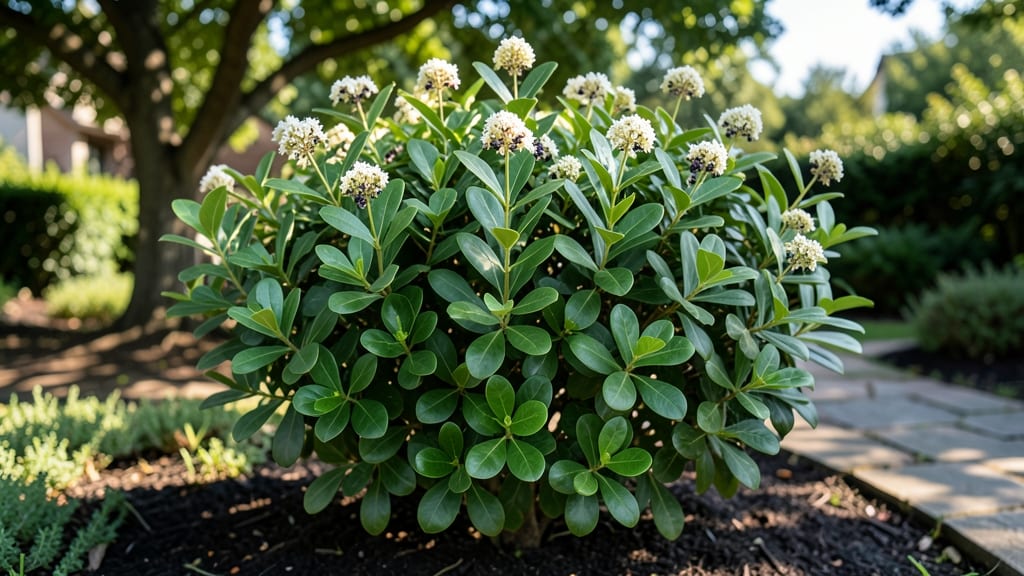
Your oval leaf privet's glossy foliage could be back to its best in just 2 weeks—no drastic overhauls needed. 🌿 The key to reviving fungal-spotted privet lies in a simple copper spray treatment that works faster than most fungicides, and it’s the secret weapon I’ve used to save multiple bushes from looking ragged by summer.
The trick isn’t just spraying; it’s timing it right and giving the plant the support it needs to bounce back.
Start with a copper fungicide spray (like liquid copper or copper soap) applied when leaves are dry and temperatures are below 85°F. This isn’t a one-time fix—you’ll need two treatments, 7-10 days apart, to break the fungal cycle.
While you’re at it, prune out any severely spotted branches (sterilize your shears with rubbing alcohol first) and improve air circulation by thinning dense growth. The goal is to create an environment where fungal spores can’t cling and spread.
After treatment, your privet will start showing signs of recovery within a week or two—new growth will emerge with a richer green, and the fungal spots should fade.
To keep it thriving, water at the base (not overhead) and mulch with 2-3 inches of organic matter to retain moisture and deter future outbreaks. The best part? This method is safe for pollinators and won’t leave chemical residues like some commercial fungicides.
For long-term resilience, consider preventative sprays in early spring before fungal spores become active. If your privet is in a shady or humid spot, relocate it to at least 6 hours of sunlight daily—privets handle heat better than soggy conditions.
With this approach, you’ll have a lush, disease-free hedge that’s the envy of the neighborhood by next season.
📚 In This Guide
- What you need
- Instructions
- Tips and common mistakes
- Wrapping up and next steps
What you need
- ● Copper fungicide spray: 1 quart (32 oz) of ready-to-use liquid copper fungicide (e.g., Copper Soap or Bordeaux Mixture—ensure it’s labeled for ornamental plants).
- ● OR 1 lb of copper sulfate crystals (if making a DIY solution).
- ● Spray equipment: 1 hose-end sprayer (5–10 gallon capacity) OR 1 handheld pump sprayer (1–2 gallon capacity).
- ● 1 fine-mist nozzle (for even coverage).
- ● Protective gear (safety first!):strong> 1 pair of nitrile gloves (to avoid skin irritation).
- ● 1 long-sleeved shirt and pants (copper can be harsh on skin!).
- ● 1 face mask or respirator (if mixing copper sulfate—dust is a no-go!).
- ● Water: 5–10 gallons of clean, lukewarm water (fill your sprayer to the recommended level).
- ○ Optional (but helpful!): 1 ladder or step stool (for tall privet bushes—reach those top branches!).
- ● 1 garden twine or stakes (to secure branches for thorough spraying).
- ● 1 weather forecast check (apply on a calm, dry day—no rain for 24+ hours!).
Step-by-Step revival for oval leaf privet affected by fungal spot
Here’s how I bring back lush, healthy growth to privet shrubs struggling with fungal spot disease.
🌿 Step 1: Assess and Prepare the Affected Shrubs
Start by examining your privet closely. Fungal spot appears as dark brown or black spots with yellow halos on leaves, often starting at the lower branches. Remove any severely infected leaves by hand—drop them immediately into a sealed plastic bag (never compost them). This prevents spores from spreading to healthy foliage.
I like to work on a dry, overcast day. Wet conditions encourage fungal spores to linger in the air, making treatment less effective. If you must treat in damp weather, schedule it for late afternoon when humidity naturally drops.
💧 Step 2: Apply Copper Spray for Fungal Control
Use a copper fungicide spray (like copper sulfate or copper hydroxide) mixed according to label instructions. The key is thorough coverage—spray until the undersides of leaves glisten with moisture. Fungal spot thrives in shaded, damp areas, so focus on the lower branches where leaves overlap.
I apply the spray in two stages: once in the morning and again in the evening. This ensures continuous protection as the copper dries. Avoid spraying when temperatures exceed 90°F—the chemical becomes less effective and may even damage leaves.
✂️ Step 3: Prune for Improved Airflow and Light Penetration
After spraying, prune back any dense, crowded growth. Fungal spot spreads rapidly in tight foliage where air can’t circulate. Use clean, sharp pruners to remove 1/3 of the oldest branches, cutting just above a leaf node. This encourages new growth from the base while improving airflow.
I always sterilize my pruners with rubbing alcohol between cuts to prevent cross-contamination. Dispose of pruned branches in the trash, not the compost, to avoid spreading fungal spores.
☀️ Step 4: Monitor and Maintain Post-Treatment
Watch for new leaf growth in 2-3 weeks—this signals the privet is recovering. If you see fresh spots, repeat the copper spray treatment. Healthy privet leaves should be deep green and free of discoloration. If yellowing persists, check for overwatering or poor drainage.
I keep an eye out for secondary pests like spider mites, which often move in after fungal stress weakens the plant. A light spray of neem oil can help if you spot webbing or tiny moving dots on the leaves.
🌱 Step 5: Boost Plant Resilience Long-Term
Strengthen your privet’s defenses by applying a balanced fertilizer (10-10-10) in early spring. This supports vigorous new growth, which is less susceptible to fungal infections. Water deeply but infrequently—privets prefer 1 inch of water per week, delivered at the base rather than overhead.
Mulch around the base with 2-3 inches of organic mulch to retain moisture and regulate soil temperature. I use shredded bark because it breaks down slowly and improves soil structure over time.
Tips & tricks for reviving oval leaf privet from fungal spot
To save your privet from fungal spot, these targeted strategies will help you avoid common pitfalls and maximize success.
Timing Secret: The two-stage copper spray application in Step 2 is crucial—morning and evening treatments create a continuous protective barrier. I've found that applying the second spray just before sunset gives the copper enough time to dry overnight, preventing fungal spores from settling on damp leaves. Never apply when temperatures exceed 90°F, as the chemical becomes less effective and may even scorch tender new growth.
Pruning Precision: When removing 1/3 of the oldest branches in Step 3, focus on the lower third of the plant first. These branches often show the earliest signs of fungal infection and benefit most from improved airflow. Use clean, sharp pruners and make cuts at a 45-degree angle just above a leaf node to encourage healthy regrowth. The key is to thin out rather than shear—avoid creating a "bushy" look that traps moisture.
Post-Treatment Vigilance: The 2-3 week recovery period in Step 4 is when most people give up too soon. I recommend marking the treatment date on your calendar and doing a weekly inspection. Look for new growth at leaf nodes—this is your best indicator of success. If you see fresh fungal spots during this time, don't panic. Simply repeat the copper spray treatment immediately, as catching it early makes all the difference.
Long-Term Defense Strategy: The 10-10-10 fertilizer application in Step 5 should be your first action in early spring, even before new growth appears. This jumpstarts the plant's natural defenses. For the mulch layer, I recommend using shredded hardwood bark rather than softwoods, which can acidify the soil over time. Apply the 2-3 inch layer around the drip line (the edge of the plant's canopy) rather than piling it against the trunk.
Pro Tips for Oval Leaf Privet
- To save your privet from fungal spot, these targeted strategies will help you avoid common pitfalls and maximize success.
- Timing Secret: The two-stage copper spray application in Step 2 is crucial—morning and evening treatments create a continuous protective barrier.
- Pruning Precision: When removing 1/3 of the oldest branches in Step 3, focus on the lower third of the plant first.
Frequently asked questions
Got questions about reviving your oval leaf privet with copper spray? You’re not alone!
Here are some of the most common concerns—and answers—to help you tackle fungal spot issues like a pro.
What causes fungal spots on oval leaf privet?
Fungal spots (like Septoria or Anthracnose) thrive in damp, shady conditions. Overhead watering, poor airflow, or wet foliage from rain can trigger outbreaks. Oval leaf privet is especially vulnerable due to its dense growth habit. Copper spray disrupts fungal spores, but prevention—like pruning for airflow—is key!
How soon will I see results after applying copper spray?
You may notice new growth within 2–4 weeks, but existing spots might linger. Copper spray stops the fungus from spreading, not magically erasing it. For stubborn cases, apply a second treatment 7–10 days after the first. Patience pays off—healthy leaves will return as the plant recovers!
Is copper spray safe for pets or kids?
Copper-based fungicides are low toxicity but should still be used with caution. Avoid spraying when pets or children are nearby, and rinse off edible plants (though privet isn’t edible). Wear gloves and a mask during application. Once dry, the risk is minimal—but always prioritize safety first!
Can I use neem oil or baking soda instead of copper spray?
Yes! Neem oil (1 tsp per quart of water + surfactant) or a baking soda spray (1 tbsp baking soda + ½ tsp soap per gallon) can help mild cases. However, copper spray is more effective for severe fungal spot infections. Rotate treatments to prevent resistance—diversity is your ally!
Why does my privet keep getting fungal spots even after treatment?
Persistent issues often stem from environmental factors like overwatering, compacted soil, or lack of sunlight. Prune for airflow, water at the base (not overhead), and mulch to improve drainage. If problems recur, test soil pH (privet prefers 6.0–7.0) or consider resistant alternatives like Ligustrum × vicaryi.
How often should I reapply copper spray?
Start with 2–3 applications every 7–10 days during active outbreaks. Once the fungus is controlled, switch to a monthly preventive spray in humid seasons. Always follow label instructions—overuse can harm beneficial microbes in the soil. Consistency is key!
Wrapping up and next steps
Reviving your oval leaf privet with copper spray is a game-changer for battling fungal spot—simple, effective, and eco-friendly! 🌿 By following the right steps and timing, you’ll give your shrubs the fresh start they deserve. Don’t wait until the problem spreads—act now, and your privet will thank you with lush, healthy foliage in no time.
Ready to take action? Grab your copper spray and schedule that treatment today! Your garden’s resilience is just one spray away. 💪