
Pests
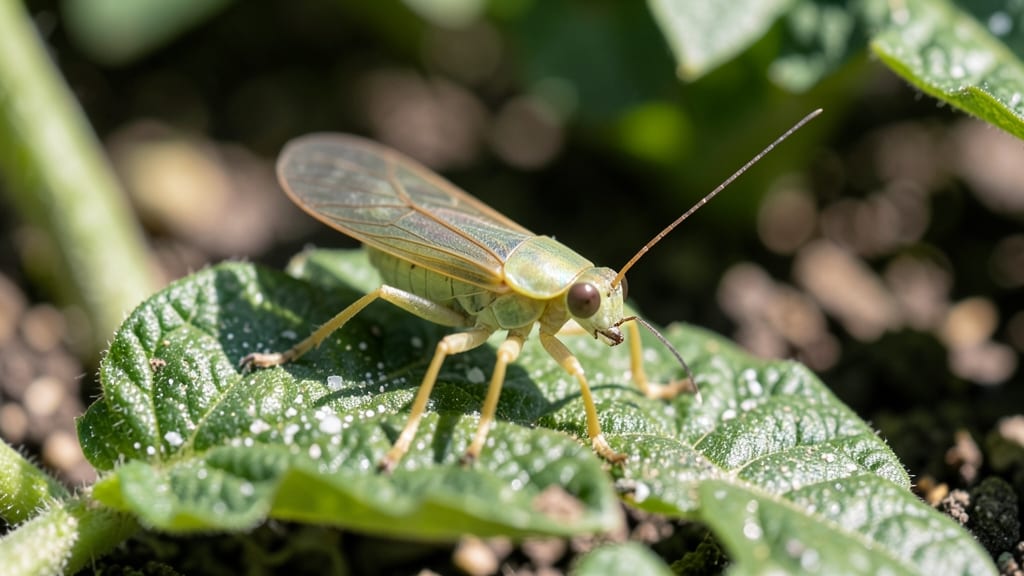
Leafhoppers are bad for plants because they pierce foliage to feed, spreading diseases like aster yellows and causing stunted growth, wilting, or leaf curling through sap extraction and toxin injection. Their rapid reproduction worsens damage quickly.
Leafhoppers are more than just a nuisance—they’re plant predators that disrupt entire ecosystems. 🌱 Their feeding process injects harmful toxins while also transmitting devastating diseases like phytoplasmas, which can turn healthy crops into withered husks overnight.
I’ve seen gardens go from vibrant to lifeless in weeks when infestations spiral out of control, especially during warm seasons when these pests multiply fastest. The real kicker? Their honeydew secretions create sticky traps that attract sooty mold, further blocking sunlight and stifling plant growth.
What’s worse is how sneaky they are—most people miss the early signs until the damage is visible. 🔍 These tiny insects leave behind subtle clues like speckled leaves, curled edges, and a telltale white residue that’s often mistaken for dust.
If you catch them early, though, natural remedies like neem oil or insecticidal soap can work wonders before the problem snowballs.
💡 In This Article
- How Leafhoppers Harm Plants: Disease Spread and Physical Damage
- Identifying Leafhopper Infestations: Early Signs and Prevention Tips
How leafhoppers harm plants: disease spread and physical damage
Leafhoppers damage plants through a two-pronged attack: toxin injection and pathogen transmission. When they pierce plant tissues with their needle-like mouthparts, they inject salivary enzymes that disrupt cellular functions. These enzymes break down plant cell walls, creating entry points for harmful bacteria and fungi.
The most infamous damage comes from their ability to spread phytoplasmas, microscopic pathogens that cause diseases like aster yellows. These diseases block nutrient transport, leading to yellowing leaves and deformed growth. 🌿
The physical toll is equally severe. Leafhoppers extract sap aggressively, which starves plants of essential nutrients like nitrogen and potassium. This nutrient theft causes stunted growth, wilting, and leaf curling—symptoms that mimic drought stress. Studies show infested plants can lose up to 30% of their photosynthetic capacity within weeks.
For example, potato crops infected with leafhopper-transmitted diseases can see yield drops of 40-50%, while ornamental plants like roses develop unsightly malformed blooms. The damage compounds because leafhoppers reproduce at alarming rates—some species lay hundreds of eggs in a single season.
What makes leafhoppers particularly insidious is their honeydew secretion. As they feed, they excrete a sticky, sugary substance that coats leaves and attracts sooty mold—a black fungal growth that blocks sunlight.
This secondary infection further weakens plants by reducing their ability to photosynthesize. 🌱 The combination of direct feeding damage, disease transmission, and honeydew-related complications creates a perfect storm for gardeners and farmers alike. Even a small infestation can spiral into a full-blown crisis if left unchecked.
Crop vulnerability varies by plant type. Vegetables like lettuce and spinach are especially susceptible because their broad leaves provide easy access for leafhoppers. Fruit trees like citrus and apple suffer from both direct damage and disease spread, while ornamental plants often show cosmetic damage first—yellowing, curling, or distorted growth patterns.
The key difference? Fast-growing annuals may recover if the infestation is caught early, while perennial plants like roses or lavender can suffer permanent damage to their root systems if the problem persists.
Understanding the mechanics helps explain why conventional pesticides often fail. Many leafhoppers develop resistance quickly, and their rapid life cycle means new generations emerge before treatments take full effect. The solution lies in integrated pest management (IPM), combining early detection, cultural controls, and targeted interventions.
For instance, reflective mulches can deter leafhoppers by confusing their navigation systems, while beneficial insects like ladybugs and lacewings prey on their eggs and nymphs. 🌿 The goal isn’t just to kill leafhoppers—it’s to disrupt their life cycle before they gain a foothold.
One often-overlooked factor is temperature. Leafhoppers thrive in warm conditions, with populations exploding when temperatures exceed 75°F. This is why late spring and summer are peak risk periods. In cooler climates, they may survive as dormant eggs over winter, only to re-emerge when conditions warm.
Monitoring weather patterns and acting preemptively—such as applying neem oil before outbreaks—can provide critical protection. The damage these pests cause isn’t just aesthetic; it’s a systemic threat to plant health that requires both vigilance and strategic intervention.