
Trees
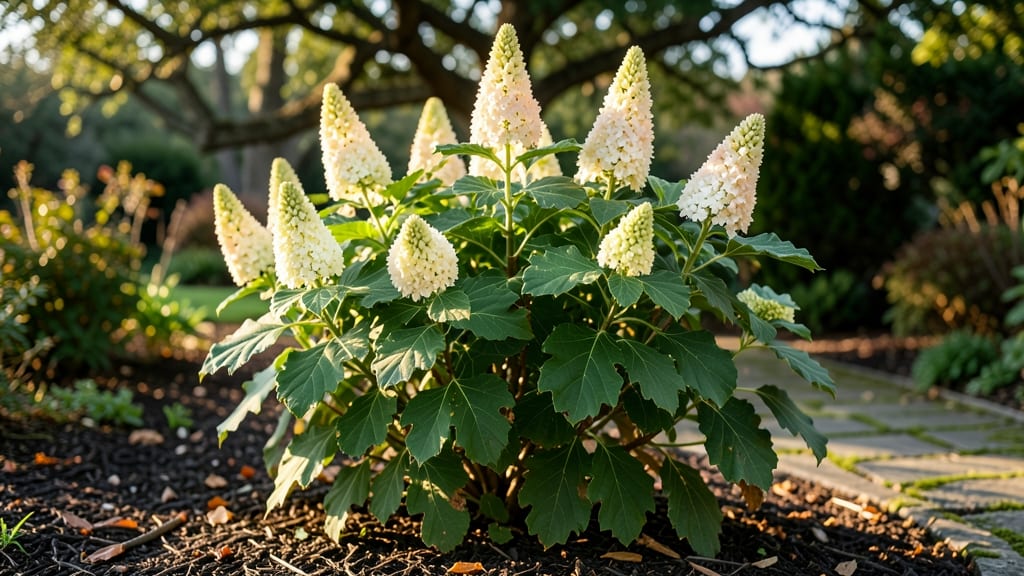
Growing oak leaf hydrangeas means bold foliage and fragrant blooms that outshine most shrubs. 🌿 These hydrangeas thrive in full sun, their oak-shaped leaves turning fiery red in fall—a show that lasts long after summer blooms fade.
My first oak leaf hydrangea started as a small container plant, and within three years, it became the star of my shade garden. The secret to their success lies in well-draining soil and consistent moisture—never soggy roots.
They adapt to zones 5-9, making them versatile for cool mornings or hot afternoons. Unlike other hydrangeas, they don’t need winter protection in most climates, though young plants benefit from a thick layer of mulch. You’ll love how they reward patience: vibrant summer blooms that transition into stunning fall foliage.
Prune lightly in late winter to shape the plant and encourage fresh growth. The fragrance alone makes them worth growing—imagine walking past a bush bursting with vanilla-scented flowers. Perfect for borders, woodland gardens, or as a statement plant near patios.
Their adaptability means they’ll thrive even in less-than-ideal conditions, as long as you meet their basic needs. Ready to grow one that steals the show?
📚 In This Guide
- What you need
- Instructions
- Tips and common mistakes
- Wrapping up and next steps
What you need
- ● Oak leaf hydrangea plant (Hydrangea quercifolia) – Choose a healthy 1- to 3-gallon container-grown specimen from a nursery.
- ● Well-draining potting mix – A blend of 50% garden soil, 30% compost, and 20% perlite or coarse sand (for in-ground planting). For containers, use a lightweight, acidic mix (pH 5.0–6.0).
- ● Mulch – 2–3 inches of organic mulch (e.g., pine straw, shredded bark, or wood chips) to retain moisture and regulate soil temperature.
- ● Watering can or hose with a gentle spray nozzle – Oak leaf hydrangeas love moisture but hate soggy roots!
- ● Fertilizer – A balanced, slow-release granular fertilizer (10-10-10 or 20-20-20) or an acid-loving plant fertilizer (like for azaleas or rhododendrons).
- ● Pruning shears – Sharp, clean shears (sterilized with rubbing alcohol) for shaping and deadheading.
- ● Gloves – Heavy-duty gardening gloves to protect your hands from thorns and rough bark.
- ● Garden trowel or shovel – For digging planting holes (if not using containers).
- ○ Staking system – Optional but helpful for young or top-heavy plants (use 3–4-foot bamboo stakes and soft ties).
- ● Soil pH test kit – Ensures your soil stays in the ideal acidic range (5.0–6.0) for vibrant blooms.
- ● Epsom salt – A quarter cup dissolved in water monthly can boost magnesium for lush foliage.
- ● Container with drainage holes – If growing in pots, choose a 15–20 gallon container for mature plants.
- ● Plant support trellis – Encourages upward growth and showcases cascading blooms (great for patio plantings!).
Step-by-step instructions for planting and caring for oak leaf hydrangeas
Here's how to establish these sun-loving beauties for bold, seasonal color that thrives year after year.
🌱 Step 1: Select the Perfect Planting Site and Prepare the Soil
Oak leaf hydrangeas demand full sun exposure—at least 6 hours of direct sunlight daily—to develop their signature deep burgundy foliage and abundant blooms. I always choose a location sheltered from strong afternoon winds, which can stress the delicate stems. Test your spot by observing how sunlight moves across it throughout the day; morning sun with afternoon shade works best in hotter climates.
These plants tolerate a wide range of soil types but perform best in well-draining, slightly acidic soil with a pH between 5.5 and 6.5. Before planting, amend the soil with 2-3 inches of compost mixed into the top 12 inches of soil. If your soil is heavy clay, incorporate 1 part perlite or coarse sand to improve drainage. The goal is loose, airy soil that holds moisture without becoming waterlogged—hydrangeas hate soggy roots.
🪴 Step 2: Plant at the Correct Depth and Spacing
Dig a hole twice as wide as the root ball but only as deep as the container it came in. This prevents burying the stem too deeply, which can lead to rot. Gently remove the hydrangea from its container and loosen any circling roots with your fingers—this encourages outward growth. Place the plant in the hole so the top of the root ball sits 1 inch below the soil line to allow for settling.
Space plants 6-8 feet apart to give them room to develop their full, rounded shape. Oak leaf hydrangeas grow 4-6 feet tall and wide, so crowding them will lead to poor airflow and increased disease risk. Backfill the hole with native soil mixed with a slow-release fertilizer (look for one with balanced NPK ratios like 10-10-10). Water deeply to settle the soil around the roots, then add a 2-inch layer of mulch to retain moisture and regulate soil temperature.
☀️ Step 3: Water Deeply and Establish a Consistent Routine
The first 2-3 weeks after planting are critical for root establishment. Water deeply 2-3 times per week, ensuring moisture reaches 12-18 inches down—this encourages roots to grow deeper rather than staying shallow. You'll know you're watering correctly when the top 2 inches of soil feel dry to the touch before the next watering. Overwatering is a common mistake; hydrangeas are drought-tolerant once established but won’t thrive in waterlogged conditions.
After the initial establishment period, reduce watering to once a week during dry spells, but always check the soil first. Mature oak leaf hydrangeas are surprisingly resilient and can handle brief dry periods, but their foliage will lose some vibrancy if consistently underwatered. In containers, water every 3-4 days in hot weather, as potted plants dry out faster.
✂️ Step 4: Prune for Shape and Encourage Abundant Blooms
Oak leaf hydrangeas bloom on both old and new wood, so pruning timing matters. In late winter or early spring (before new growth begins), remove dead, damaged, or crossing branches to improve airflow. I also cut back any stems that died back to the ground over winter—this opens up the center of the plant and encourages stronger new growth. Never prune in fall; you risk removing next year’s flower buds.
For shaping, focus on light pruning in late spring after blooms fade. Trim back any leggy stems by one-third to encourage bushier growth. Avoid heavy pruning, as oak leaf hydrangeas respond best to gradual shaping. If you notice stems growing too long or woody, prune them back to a bud or side branch—this redirects energy to newer, more vibrant growth. Always use clean, sharp pruners to make clean cuts and prevent disease.
🌿 Step 5: Feed and Protect for Long-Term Health
In early spring, apply a balanced, slow-release fertilizer (like 10-10-10) around the base of the plant, keeping it 6 inches away from the stem. This gives roots time to absorb nutrients without burning the foliage. I also top-dress with 1-2 inches of compost in late fall to replenish organic matter and improve soil structure. Hydrangeas are light feeders, so avoid over-fertilizing—too much nitrogen leads to lush foliage at the expense of blooms.
Watch for powdery mildew or leaf spot in humid climates, especially if plants are crowded. Improve airflow by pruning strategically and avoid overhead watering, which can spread fungal spores. If problems arise, treat with a fungicide labeled for ornamental plants and remove any heavily infected leaves. With proper care, oak leaf hydrangeas reward you with bold foliage and seasonal blooms for decades—making them a low-maintenance, high-impact addition to any landscape.**
Tips & tricks for perfect oak leaf hydrangea care
These sun-loving beauties thrive when you pay attention to the little details—here's how to maximize their vibrant foliage and abundant blooms.
Sunlight Strategy: The 6 hours of direct sunlight requirement isn't just about quantity—it's about quality. I've found that morning sun with afternoon shade (especially in hotter climates) prevents leaf scorch while still delivering that signature deep burgundy color. If your garden gets intense afternoon sun, consider planting near a north-facing wall or using shade cloth during peak hours. The key is observing how sunlight moves across your space throughout the day before committing to a location.
Soil Science: When amending your soil with 2-3 inches of compost mixed into the top 12 inches, don't just dump it in—thoroughly incorporate it to create that loose, airy texture. For clay-heavy soils, I've had great success adding 1 part perlite or coarse sand to improve drainage while maintaining moisture retention. Pro tip: Test your soil's pH before planting—oak leaf hydrangeas prefer slightly acidic soil (5.5-6.5), and you can adjust with sulfur if needed. A simple pH test kit makes this easy.
Planting Precision: That 1-inch below soil line placement for the root ball might seem minor, but it's crucial for preventing rot. I learned this the hard way after burying stems too deeply in my first attempt. Also, when spacing plants 6-8 feet apart, remember they'll grow 4-6 feet tall and wide—this spacing gives them room to develop their full, rounded shape without competing for nutrients. The mulch layer you add should be 2 inches thick, but keep it 6 inches away from the stem to prevent moisture buildup that can cause rot.
Watering Wisdom: The 2-3 times per week watering routine during the first 2-3 weeks is non-negotiable for root establishment. I've discovered that using a moisture meter helps gauge when the top 2 inches of soil feel dry—this prevents both underwatering and overwatering. For mature plants, that once-a-week watering becomes more flexible, but always check the soil first. In containers, I've found that watering every 3-4 days in hot weather works best, as potted plants dry out much faster than in-ground specimens.
Pro Tips for Oak Leaf Hydrangeas
- These sun-loving beauties thrive when you pay attention to the little details—here's how to maximize their vibrant foliage and abundant blooms.
- Sunlight Strategy: The 6 hours of direct sunlight requirement isn't just about quantity—it's about quality.
- Soil Science: When amending your soil with 2-3 inches of compost mixed into the top 12 inches, don't just dump it in—thoroughly incorporate it to create that loose, airy texture.
Frequently asked questions
How much sunlight do oak leaf hydrangeas really need?
Oak leaf hydrangeas thrive in partial shade (morning sun + afternoon shade), but they can handle full sun if given consistent moisture. In hot climates, afternoon shade prevents leaf scorch. Pro tip: If blooms fade early, they’re likely sun-stressed!
When is the best time to plant oak leaf hydrangeas?
Plant in early spring or fall (avoid summer heat or winter frost). This gives roots time to establish before extreme temperatures. For container-grown plants, soak roots before transplanting to reduce shock. Bonus: Bare-root hydrangeas can be planted in late winter if soil isn’t frozen!
Why are my oak leaf hydrangea leaves turning brown or crispy?
Brown/crispy leaves usually mean underwatering or sunburn. Check soil moisture (top 1–2 inches should stay damp). Mulch helps retain moisture, and drip irrigation prevents uneven watering. Fix: Move to partial shade if leaves show scorch marks.
Do I need to prune oak leaf hydrangeas? If so, when?
Prune late winter or early spring (before new growth) to shape and remove dead wood. Avoid pruning after mid-summer—it cuts off next year’s blooms! Lightly trim leggy stems to encourage bushier growth. Tip: Oak leaf hydrangeas bloom on old and new wood, so prune carefully!
What’s a good alternative if my soil is too acidic for oak leaf hydrangeas?
Oak leaf hydrangeas prefer slightly acidic to neutral soil (pH 5.5–6.5). If yours is too alkaline, try panicle hydrangeas (e.g., ‘Limelight’) or oak leaf hydrangea cultivars like ‘Alice’, which tolerate wider pH ranges. Amend soil with pine needles or sulfur to lower pH gradually.
Wrapping up and next steps
Growing oak leaf hydrangeas is a rewarding journey that brings vibrant color and texture to your garden—even in sunny spots where many hydrangeas struggle! 🌞 With the right soil, sunlight balance, and care, these stunning shrubs will thrive and reward you with long-lasting blooms year after year.
Whether you're a seasoned gardener or just starting out, the key is patience and consistency.
Now that you’re armed with the sunlight-loving secrets, why not take the next step? Pick a perfect spot in your garden, grab your tools, and give these beauties the love they deserve.
Watch as your oak leaf hydrangeas flourish into a showstopper that turns heads—and maybe even inspires your neighbors to try their own!