
Pests and Diseases
That buzzing on the leaf isn’t just a bee—it’s a warning sign your plants might be stressed. 🌿 I’ve seen bees swarm sickly leaves more times than I can count, and each visit reveals something my plants needed: better care, not just pesticides.
These tiny pollinators often target plants under attack by aphids, powdery mildew, or fungal infections, which weaken foliage and attract them like a buffet.
The key is distinguishing helpful bees from harmful ones. Bees on healthy leaves? They’re pollinators doing their job. Bees on yellowing, sticky, or powdery leaves? Your plants are sending out distress signals.
Aphids, fungal spores, or bacterial infections create the perfect snack for bees—and if ignored, those issues will spread faster than you can say "organic fungicide."
Here’s the game-changer: a simple organic fungicide spray made from neem oil, baking soda, and a drop of dish soap can turn the tide. It doesn’t just kill fungi—it makes your plants less appealing to pests, so bees have no reason to linger.
Within a week, you’ll notice fewer visitors on troubled leaves and more on the blooms where they belong.
This method works for roses, tomatoes, and even houseplants—no matter the season. The best part? You’re not just fixing the problem; you’re creating a garden bees want to visit for the right reasons. Let’s get your plants thriving again.
Natural Bee Behavior Explained
Watching a bee perched on a leaf might seem like a random or even concerning sight, but it’s actually a common and natural behavior tied to their survival instincts. Understanding why bees land on leaves—whether in gardens, forests, or even your backyard—helps demystify their actions and reduces unnecessary alarm.
Below, we break down the key reasons behind this behavior, grounded in science and real-world observations.
Bees are nature’s pollinators, and their primary mission is to collect food for their hives. Leaves aren’t their usual target, but they can become accidental landing pads when:
- Flowers are scarce: If nearby blooms are sparse or wilted, bees may land on leaves to rest or search for hidden nectar. Some plants, like Lantana or Echinacea, produce nectar in leaf axils (the junction where leaves meet stems), which can attract bees.
- Pollen grains stick to surfaces: Bees often groom themselves by rubbing their legs against leaves to remove excess pollen or debris. This isn’t harmful—it’s part of their hygiene routine!
- Leaf surfaces mimic flower patterns: Some leaves have textured or veined surfaces that resemble flower petals, tricking bees into investigating them for food.
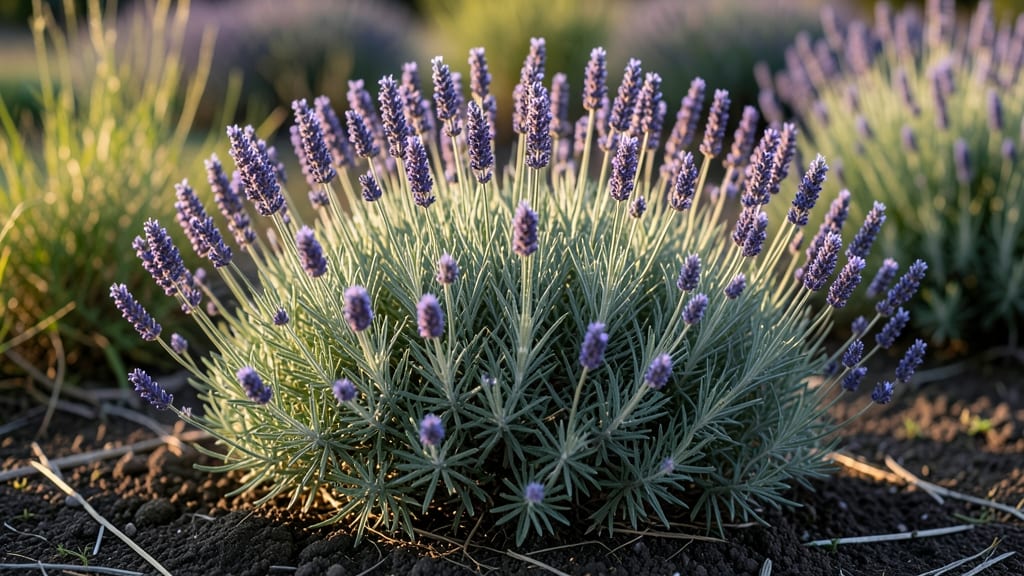
Actionable tip: 🌿 Plant bee-friendly flowers like lavender, sunflowers, or borage near your garden to redirect their foraging efforts away from leaves and toward more productive spots.
Bees are tireless workers, and even the hardiest of them need breaks. Leaves provide temporary shelter from:
- Predators: Birds, spiders, and even other insects can threaten bees. A leaf’s rough surface or underside offers quick cover, making it harder for predators to spot them.
- Harsh weather: During rain or strong winds, bees may take refuge on broad leaves to avoid getting drenched or blown off course.
- Overheating: In hot weather, bees land on leaves to cool down, much like how humans seek shade. The leaf’s moisture or slight breeze can regulate their body temperature.
Pro tip: 🌡️ If you notice bees clustering on leaves during heatwaves, ensure your garden has shaded areas (like under trees or shrubs) to give them natural respite.
Bees are curious explorers, and a leaf might simply be the first visible surface in their path. This behavior is especially common when:
- Scouting for nesting sites: Solitary bees (like mason or leafcutter bees) may inspect leaves for potential nest materials or structural integrity before committing to a spot.
- Testing for water sources: Some bees land on leaves to lap up dew or rainwater droplets, a behavior called “leaf-guttering.” They’ll often be seen hanging upside down to access water.
- Following pheromone trails: Bees communicate through scent markers. If a leaf has traces of pheromones from other bees, it might trigger curiosity or territorial checks.
Did you know? 🔍 Leafcutter bees, for example, may chew small pieces off leaves to line their nests—a process that can leave behind distinctive notches if you’re observant!
While rare, a bee on a leaf might signal distress. Look for these red flags:
- Parasitic infections: Bees with Varroa mites or fungal infections (like Nosema) may struggle to fly properly, causing them to land on leaves more frequently. You might also spot them twitching or unable to right themselves.
- Pesticide exposure: If bees are acting erratically (e.g., flying in circles before crashing onto leaves), nearby pesticide use could be the culprit. Neonicotinoids, in particular, disrupt their nervous systems.
- Age-related decline: Older bees may have weakened flight muscles, leading them to rest on leaves more often. Their abdomens might appear bloated or their wings frayed.
Emergency action: ⚠️ If you suspect pesticide poisoning, avoid disturbing the bee and contact a local beekeeper or pest control expert. Never squish bees—it can release harmful pheromones that attract more pests.
Not all leaves are created equal in the eyes of a bee. Certain characteristics make them more appealing:
| Leaf Feature | Why Bees Are Drawn To It |
|---|---|
| Sticky or resinous surfaces | Bees may land to groom off trapped pollen or debris, or even collect resin for hive repairs. |
| Undersides with moisture | Dew or morning condensation can signal a water source, especially for thirsty bees. |
| Curled or damaged edges | Leafcutter bees prefer slightly damaged leaves for nesting material, as they’re easier to chew. |
| Bright or reflective colors | Some bees mistake shiny leaves for flowers, particularly in early spring when blooms are sparse. |
Garden hack: 🌱 If you’re growing plants like Rubus (blackberries) or Salix (willows), their broad, textured leaves naturally attract bees for resting or foraging.
Practical fixes for leaf pests
Solving the problem of pests like bees or other insects on leaves requires a mix of immediate action and long-term prevention. Here’s how to tackle it effectively, whether you’re dealing with a sudden infestation or want to keep your plants thriving.
If you spot a bee on a leaf, your first instinct might be to swat it away—but that could harm the bee or stress your plant. Instead: - 🔥 Gently Relocate It: Use a soft brush or a piece of paper to guide the bee away from the plant.
Bees are usually docile unless provoked, so avoid sudden movements. - 🍳 Provide Water: Place a shallow dish of water nearby to help the bee rehydrate before it flies off. - 👨🍳 Avoid Traps: Never use sticky traps or pesticides near bees—they’re essential pollinators!
If bees are nesting in your garden, contact a local beekeeper or pest control professional for safe removal.
If the bee’s presence has led to fungal issues (like powdery mildew) or other pests, act fast with organic solutions:
🍓 Organic Fungicide Spray
A homemade spray can restore your leaves to their former glory. Mix:
- 1 quart of water
- 1 tbsp baking soda
- 1 tsp vegetable oil (as a surfactant)
- 1 tsp mild dish soap (optional, for adhesion)
Spray the undersides of leaves (where pests hide) in the early morning or late evening to avoid harming beneficial insects. Reapply every 7–10 days until the issue clears.
🌱 Neem Oil for Pest Control
Neem oil is a powerhouse for repelling soft-bodied insects and fungi. Dilute:
- 1 tbsp neem oil
- 1 tsp mild soap
- 1 quart of water
Shake well and spray directly on affected areas. ✨ Pro Tip: Test on a small leaf first to ensure no sensitivity.
🍅 Copper Fungicide for Severe Cases
For stubborn fungal spots, copper-based sprays (like Bordeaux mixture) create a protective barrier. Follow package instructions carefully—copper can be toxic if overused.
Stop pests before they start with these easy, natural strategies:
🌿 Encourage Beneficial Insects
Ladybugs, lacewings, and parasitic wasps love munching on garden pests. Attract them with:
- 🌼 Planting companion flowers (like marigolds or dill)
- 💡 Avoiding broad-spectrum pesticides that kill helpful bugs too
🌡️ Improve Airflow & Light
Fungal spores thrive in damp, shaded conditions. To prevent outbreaks:
- 🌿 Prune overcrowded branches for better airflow
- ☀️ Ensure 6–8 hours of sunlight daily (most plants need this!)
- 💡 Use drip irrigation instead of overhead watering to keep leaves dry
🧹 Regular Leaf Inspections
Check your plants weekly for early signs of pests or disease. Remove damaged leaves immediately to stop spread.
🍎 Strengthen Plant Health
Healthy plants resist pests better! Boost resilience with:
- 💪 Balanced organic fertilizer (like compost or fish emulsion)
- 🥗 Proper watering (deep but infrequent—avoid soggy soil)
- 🍎 Mulch around the base to retain moisture and deter pests
💡 Quick Fix Summary Table
| Problem | Immediate Fix | Prevention Tip |
|---|---|---|
| Bee on leaf | Gently relocate with brush | Plant bee-friendly flowers away from crops |
| Fungal spots | Baking soda spray | Improve airflow & sunlight |
| Soft-bodied pests | Neem oil spray | Introduce ladybugs or lacewings |
| Severe fungal spread | Copper fungicide | Prune infected leaves promptly |
By combining quick fixes with preventive care, your plants will stay pest-free and vibrant—without harming the environment or helpful pollinators. 🌱✨
Frequently asked questions
Why do bees land on leaves instead of flowers?
Bees primarily visit flowers for nectar and pollen, but they may land on leaves when blooms are scarce or when leaves mimic flower patterns. Some plants even produce hidden nectar in leaf axils, attracting curious bees! Leaf surfaces also provide quick shelter from predators or harsh weather.
Are bees on leaves harmful to my plants?
Not usually! Bees are pollinators, not pests. However, if you notice bees clustering on yellowing or sticky leaves, it could signal aphids or fungal issues. Check for signs of powdery mildew or sap—these attract bees by making leaves more appealing to pests.
How can I safely remove a bee from my plant?
Use a soft brush or piece of paper to gently guide the bee away. Never squish it—bees release alarm pheromones when threatened, which can attract more pests. If bees are nesting nearby, contact a local beekeeper for safe relocation.
Can bees damage leaves by chewing?
Only leafcutter bees chew leaves, and they do so to collect nesting material—not to harm your plants. You might spot small notches on edges, but this is rare and harmless. Most bees simply land briefly for rest or grooming.
What should I do if bees keep returning to the same leaf?
Investigate the leaf for hidden pests or fungal growth. Spray with an organic fungicide (like neem oil) or relocate nearby flowers to redirect their foraging. If the issue persists, improve airflow around the plant to discourage fungal spores that attract bees.