
Leaf Blower
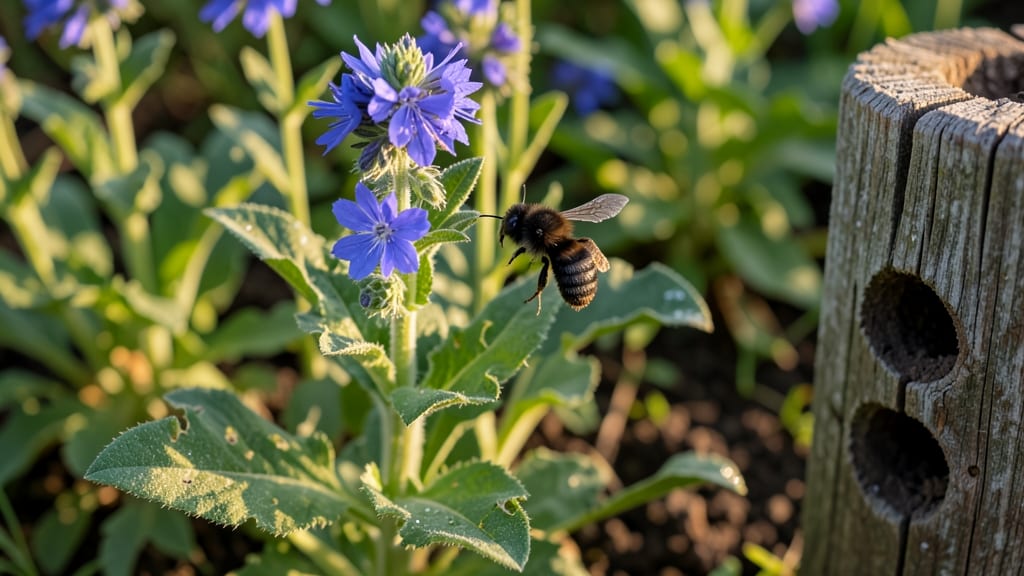
The black leaf cutter bee isn't a pest—it's a vital pollinator that boosts your garden's productivity. 🌿 I've watched these fuzzy, black bees transform my vegetable garden by pollinating crops more efficiently than honeybees, but their leaf-cutting habits can leave plants looking ragged.
The key is balancing their ecological role with protecting your plants.
These bees collect circular pieces of soft plant leaves to build their nests, often targeting young, tender growth. While they prefer roses, fruit trees, and berry bushes, their activity peaks in late spring and early summer when new foliage is most vulnerable.
The good news? Their damage is usually minor and won't harm plant health—just the aesthetics.
You can minimize visible damage by providing alternative nesting materials like bamboo stakes or rolled-up cardboard tubes. Planting sacrificial "bee buffets" like sunflowers or cosmos near high-value crops also distracts them.
Avoid pesticides—even organic ones—since they're toxic to all pollinators, and remember these bees are doing far more good than harm.
In regions where they're active (especially the western and southwestern U.S.), their presence signals a healthy ecosystem. If damage becomes bothersome, focus on timing—most leaf-cutting occurs at dawn or dusk, so prune plants during midday when bees are less active. Your garden will thrive with them, not despite them.
Why Leaf Cutters Appear
If you’ve noticed perfectly rectangular holes in your rose leaves, fruit trees, or even vegetable plants, you’re likely dealing with the work of Megachile species—commonly called black leaf cutter bees.
These tiny, industrious pollinators might seem like pests at first glance, but their presence is actually a sign of a thriving ecosystem. Understanding why they chew leaves helps you appreciate their role while managing their activity. Here’s a breakdown of the science behind their behavior.
The primary reason these bees slice leaves is to construct nests. Unlike honeybees, which rely on wax, leaf cutter bees use chewed plant material to create cozy, waterproof cells for their larvae. Here’s how it works:
- Material Selection: They prefer soft, flexible leaves like those from roses, fruit trees (apples, cherries), and even vegetables (beans, peas). The cellulose fibers in these leaves are ideal for their construction needs.
- Precision Cuts: Using their powerful mandibles, they make clean, geometric cuts (usually ½-inch to 1-inch wide) to create strips. These strips are then rolled into tubes and sealed with resin or saliva.
- Nest Location: They often nest in pre-existing cavities—think hollow stems, wood crevices, or even man-made bee houses. If natural options are scarce, they may excavate their own tunnels in soft wood or pithy stems.
💡 Pro Tip: If you want to encourage these bees (and reduce leaf damage), install a leaf cutter bee house with drill holes of varying diameters (3/16” to 5/16”). This gives them a preferred nesting site, reducing their need to forage for leaves.
Not all leaves are created equal in the eyes of a leaf cutter bee. These pollinators are selective based on:
| Leaf Trait | Why It’s Attractive | Why It’s Avoidable | |
|---|---|---|---|
| Thin, Flexible Texture (e.g., roses, fruit trees) | Easy to cut and roll into tubes. | Thick, Leathery Leaves (e.g., oak, holly) | Too tough to chew efficiently. |
| High Moisture Content (young, tender growth) | Prevents the material from drying out too quickly. | Dry or Mature Leaves | Brittle and less durable for nesting. |
| Minimal Hairiness (smooth surfaces) | Easier to grip and cut cleanly. | Fuzzy or Prickly Leaves (e.g., lamb’s ear, raspberry) | Disrupts their cutting precision. |
🌱 Actionable Fix: If you have valued plants (like prized roses or young fruit trees), try:
- Applying a light mesh netting over vulnerable branches.
- Planting sacrificial "bee magnets" nearby, like sunflowers or borage, which they may prefer.
- Pruning new growth in late summer to reduce tender, attractive leaves.
Leaf cutter bee activity often spikes in late spring and early summer—the peak nesting season. But if their numbers explode, the damage can become noticeable. Here’s why:
- Climate and Habitat: Warm, dry springs with abundant flowering plants (their food source) lead to larger bee populations. More bees = more leaf cutting.
- Lack of Competition: Since these bees are solitary (they don’t live in colonies like honeybees), they don’t compete for resources. If natural predators (like birds or parasitic wasps) are scarce, their numbers can grow unchecked.
- Urbanization Effects: In cities or suburban areas, reduced predators and more gardens with soft-stemmed plants create a perfect storm for increased activity.
🔥 Eco-Friendly Solution: Instead of eliminating them, consider:
- Leaving some leaf damage—it’s a small price for better pollination of your crops!
- Planting native wildflowers to provide alternative nesting materials (e.g., goldenrod or milkweed).
- Avoiding pesticides, which can kill bees and disrupt their life cycle.
🎯 Key Takeaway: Leaf cutter bees aren’t destroying your garden—they’re building the next generation of pollinators. By understanding their motivations and preferences, you can minimize damage while supporting these essential garden allies.
Quick Fixes for Leaf Cutter Bee Damage
When leaf cutter bees start transforming your garden into a patchwork of chewed foliage, acting fast is key—but don’t panic! These tiny pollinators are harmless to plants and people, but their "crafting" habits can still be frustrating.
Below, we’ve mapped out practical solutions tailored to the most common causes of their activity, along with prevention tips to keep your garden thriving and bee-friendly.
Cause: Soft, new growth is irresistible to leaf cutter bees—they prefer it for nesting material.
Fix It:
- 🔪 Trim strategically: Snip off the most damaged leaves (especially from roses, fruit trees, or herbs) and compost them—the bees won’t reuse them for nests.
- 🌱 Protect vulnerable plants: Wrap delicate stems (like basil or raspberry canes) with fine mesh netting or row covers during peak activity (late spring to early summer).
- 💡 Pro Tip: Plant bee balm, sunflowers, or lavender nearby—they’ll distract bees with their own leaves and provide pollen.
Cause: If you’ve spotted sawdust-like shavings near wooden structures, sheds, or fence posts, they’re likely nesting there.
Fix It:
- 🔨 Seal entry points: Use caulk or wood filler to close cracks in sheds, birdhouses, or wooden fences. Focus on 1/4-inch gaps or larger—their favorite nesting spots!
- 🐝 Create a bee hotel: Offer a pre-drilled wooden block (with 3/8-inch holes) or a bamboo stem bundle as an alternative. Place it near water and flowers.
- ⏰ Timing matters: Wait until late summer to seal nests—bees may still be using them until then.
Cause: Too many bees mean more leaves cut. This happens in dense plantings or gardens with limited native forage.
Fix It:
- 🌼 Space plants wisely: Thin out overcrowded areas (like vegetable gardens or flower beds) to reduce their "workload."
- 🌍 Add native plants: Include goldenrod, milkweed, or coneflowers—these provide pollen and deter over-cutting by offering alternatives.
- 💦 Keep water nearby: A shallow dish with pebbles and water encourages bees to stay hydrated and pollinate rather than forage for leaves.
Even after addressing the damage, you’ll want to minimize repeat visits. Here’s how: - 🌞 Mow high: Keep lawns at 3–4 inches tall—taller grass provides shelter for ground-nesting bees (and other pollinators). - 🌿 Avoid pesticides: Neonicotinoids and broad-spectrum sprays kill bees.
Opt for soapy water sprays (1 tsp dish soap + 1 quart water) for pests only when absolutely necessary. - 📅 Plan for seasons: Leaf cutter bees are most active in May–July. Monitor damage during these months and adjust strategies accordingly.
Remember: These bees are ecological superheroes—they pollinate 75% of crops and outperform honeybees in some cases! With a few tweaks, you can coexist peacefully while keeping your garden lush. 🐝✨
Frequently asked questions
Are black leaf cutter bees harmful to my garden?
Not at all! These bees are actually beneficial pollinators that help boost your garden's productivity. Their leaf-cutting behavior is just part of their nesting process—they use the leaves to build cozy homes for their larvae. While they may leave your plants looking a bit ragged, their pollination work far outweighs any minor damage.
How can I tell if the damage is from leaf cutter bees vs. other pests?
Look for clean, geometric cuts (usually ½-inch to 1-inch wide) with no jagged edges. Unlike slugs or caterpillars, leaf cutter bees make precise, rectangular holes—often with the cut edges facing upward. You might also spot sawdust-like shavings near wooden structures, which are their nesting sites.
When is the best time to install bee houses to reduce leaf damage?
Install leaf cutter bee houses in early spring (before their nesting season begins) or late summer (after they've finished nesting). Use pre-drilled wooden blocks with 3/16” to 5/16” holes—this gives them an alternative to cutting your plants. Place them near water and flowering plants to maximize their appeal.
Will pesticides kill leaf cutter bees?
Yes, and you should avoid them entirely! Even organic pesticides can harm these essential pollinators. Instead, use physical barriers like mesh netting or plant strategic alternatives (like sunflowers) to distract them. Their role in pollination makes them far more valuable than any aesthetic damage they cause.
Can I relocate leaf cutter bee nests?
Only if absolutely necessary, and with caution. If you find active nests in unwanted areas (like sheds), wait until late summer when the bees have finished nesting. Then, carefully move the nest to a prepared bee house or natural cavity. Never disturb active nests—it can harm the developing larvae inside.