
Shrubs
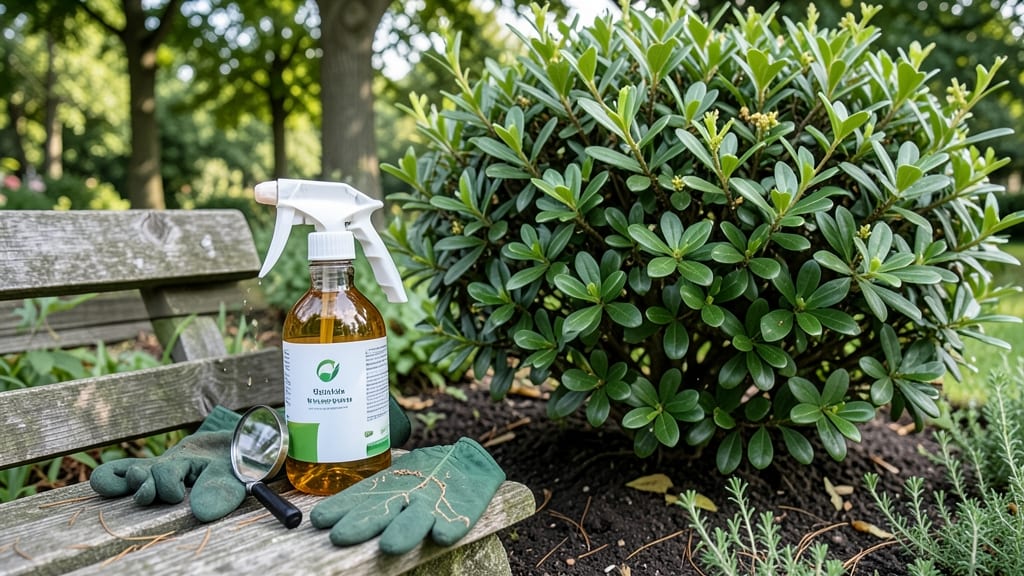
Your boxwoods' crispy edges aren't a lost cause—systemic treatments can bring them back to life. 🌿 I've battled leafminers for years, and the right approach turns those ragged, skeletonized leaves into lush, green foliage within weeks.
The key is acting fast with the right systemic treatment, whether chemical or organic, to starve out those pesky larvae before they finish their damage.
Chemical options like imidacloprid work fast and are absorbed into the plant's system, but organic solutions like neem oil or beneficial nematodes can be just as effective when applied correctly.
The timing matters too—treat in early spring before the miners start laying eggs, and again in late summer if you see fresh damage. Safety is critical: wear gloves, avoid spraying on windy days, and keep pets and kids away until treatments dry.
You'll see the first signs of recovery in 2-3 weeks as new growth emerges free of mines. The plants will start filling out, the edges will soften, and that once-familiar crispy look will fade into memory.
Regular monitoring and preventive sprays keep leafminers from staging a comeback, so check your boxwoods weekly during peak season.
This method works for all boxwood varieties, from tight 'Green Velvet' hedges to sprawling 'American' types. Whether you're dealing with a single plant or a whole foundation border, the same principles apply—just scale up your treatments. Let's get those boxwoods looking sharp again.
Root Causes Of Leafminer Infestations
Boxwood leafminers (Monarthropalpus buxi) don’t just appear out of nowhere—they thrive due to a mix of environmental, biological, and even human-related factors. Understanding these causes is the first step toward prevention and effective systemic treatment.
Below, we break down the key reasons why these pests target your boxwoods and how they exploit vulnerabilities in your shrubs.
Leafminers are opportunistic pests, and stressed or weakened boxwoods are their favorite buffet. When your shrubs are unhealthy, they produce lower-quality foliage, which attracts egg-laying females. Here’s why this happens:
- Nutrient deficiencies: Boxwoods lacking nitrogen, phosphorus, or micronutrients (like iron or magnesium) produce thin, pale leaves—perfect for leafminer larvae to feed on. Think of it like a weak immune system in humans; pests target the easy prey.
- Poor soil drainage: Waterlogged roots (from compacted or clay-heavy soil) stunt growth, making plants more susceptible. Leafminers detect these stressed plants through volatile organic compounds (VOCs) emitted during stress.
- Overpruning or shearing: Aggressive trimming removes protective foliage and disrupts the plant’s natural defense mechanisms. Ever notice how over-sheared boxwoods look "tired"? That’s a red flag for pests.
- Drought or heat stress: Prolonged dry spells force boxwoods into survival mode, reducing their ability to produce defensive compounds like tannins, which deter herbivores.
Actionable fix: Conduct a soil test to check pH and nutrient levels (ideal range: 5.5–7.0 for boxwoods). Amend soil with compost or slow-release fertilizer in early spring to bolster plant resilience.
Leafminers are seasonal strategists, and their life cycle is tightly linked to boxwood growth patterns. Here’s how timing plays a role:
| Stage | When It Happens | Why It Matters |
|---|---|---|
| Egg Laying | Late spring to early summer (May–June) | Adult females lay eggs on new, tender leaves—the softer the leaf, the easier it is for larvae to burrow in. |
| Larval Feeding | Summer (June–August) | Larvae mine between leaf layers, creating visible blotchy, brown trails. Warm, humid conditions speed up their development. |
| Pupation & Overwintering | Fall (September–October) | Pupae drop to the soil and survive winter in leaf litter or mulch. Moist, undisturbed soil protects them from freezing. |
Key insight: If your boxwoods are young or newly planted, they’re more vulnerable because their leaves are still tender. Mature shrubs with thick foliage can sometimes resist early infestations—but only if they’re healthy.
Actionable fix: Monitor for adult moths (tiny, gray, with fringed wings) in late spring. Use sticky traps or yellow pans with soapy water to catch them before they lay eggs.
Leafminers don’t just target weak plants—they also love specific microclimates. These pests thrive when:
- Humidity is high: Leafminers prefer 60–80% humidity. Moist foliage makes it easier for larvae to move and feed without drying out. Think of it like a sauna for pests!
- Temperatures are moderate: Ideal range for larval growth is 70–85°F (21–29°C). Cooler springs delay outbreaks, while hot summers accelerate them.
- Boxwoods are densely planted: Crowded shrubs create shaded, humid conditions that trap moisture and pests. Poor airflow also slows drying, prolonging larval activity.
- Organic mulch is thick: While mulch protects roots, more than 3 inches can harbor overwintering pupae and provide shelter for adults.
Actionable fix:
- Space boxwoods 3–4 feet apart for airflow.
- Use gravel or bark mulch (1–2 inches thick) instead of wood chips to reduce humidity near the base.
- Water early in the morning to allow foliage to dry quickly.
Sometimes, well-intentioned gardening habits create the perfect storm for leafminers. Here’s how:
- Over-fertilizing with nitrogen: While nitrogen promotes lush growth, excessive applications lead to soft, tender leaves that larvae adore. It’s like feeding a squirrel too many peanuts—it gets fat and sluggish, making it an easier target.
- Ignoring early signs: Many gardeners wait until 50% of leaves are damaged before acting. By then, the infestation is often past the point of biological control (e.g., parasitic wasps can’t keep up).
- Reusing infested prunings as mulch: If you chop up boxwood branches with leafminer damage and toss them into the garden, you’re unwittingly redistributing pupae.
- Skipping fall cleanup: Leaving fallen leaves and debris over winter provides shelter for overwintering pupae. A quick rake in late fall can reduce next year’s infestation by up to 70%.
Actionable fix: Adopt a "less is more" approach to nitrogen—use slow-release fertilizers (like osmocote) in early spring and avoid late-season feeding, which encourages soft growth.
Effective Treatments for Leafminer Damage
Now that you understand why boxwood leafminers wreak havoc on your shrubs, it’s time to take action! The good news? A mix of systemic treatments, cultural fixes, and preventive measures can restore your boxwoods to their crisp, healthy glory.
Below, we break down cause-specific solutions—from quick fixes to long-term strategies—to help you reclaim your garden’s edges.
Systemic treatments are your first line of defense because they work inside the plant, targeting pests before they cause visible damage. Here’s how to use them effectively:
🔥 Use Systemic Insecticides (Best for Early Infestations)
If you catch the problem early, neonicotinoid-based systemic insecticides (like Imidacloprid or Dinotefuran) are highly effective. These chemicals are absorbed by the plant’s vascular system, making the leaves toxic to leafminers when they feed.
How to apply:
- Water the soil thoroughly before treatment to help absorption.
- Follow label instructions—overapplying won’t speed up results and can harm beneficial insects.
- Reapply as needed (usually every 4–6 weeks or after heavy rain).
- Pro tip: 💡 For severe infestations, combine with a contact spray (like Spinosad or Horticultural Oil) for immediate knockdown.
⚠️ Warning: Neonicotinoids can harm bees and other pollinators. Apply early in the morning or late evening when bees are less active, and avoid spraying flowers.
🍳 Soil Drenches for Long-Term Protection
For a preventive approach, mix a systemic insecticide with water and apply it as a soil drench in early spring (before leafminers emerge). This ensures the plant is protected all season.
DIY Soil Drench Recipe:
- 1 tsp Imidacloprid (or equivalent) per gallon of water
- Apply to the root zone (not the leaves) using a watering can with a rose attachment.
- Water deeply to encourage uptake.
🌱 Bonus: Pair this with compost or slow-release fertilizer to boost plant health—stronger boxwoods resist pests better!
If your boxwoods are already heavily damaged, physical removal can reduce the leafminer population quickly.
👨🍳 Prune Infested Foliage
- Cut off and destroy severely damaged leaves (don’t compost them—leafminers will survive).
- Focus on new growth first, as these are the most vulnerable.
- Sterilize pruners with rubbing alcohol between cuts to prevent spreading pests.
🕷️ Handpick Larvae (Yes, Really!)
- Inspect leaves closely for white, worm-like larvae (they’re about ½ inch long).
- Drop them into soapy water to kill them instantly.
- Best time: Early morning when larvae are sluggish.
✨ Pro Tip: 🎯 Use a magnifying glass for stubborn cases—it makes spotting larvae easier!
Healthy plants resist pests better. Adjust your care routine to make your boxwoods less appealing to leafminers:
⏰ Prune for Airflow
- Thin out dense growth to improve airflow—leafminers thrive in shady, humid conditions.
- Aim for an open, vase-like shape to reduce hiding spots.
💧 Water Wisely
- Avoid overhead watering, which keeps leaves damp (leafminers love moisture).
- Water at the base in the early morning to allow foliage to dry quickly.
🥗 Feed for Resilience
- Apply a balanced fertilizer (10-10-10 or similar) in early spring to promote new growth.
- Mulch with wood chips to retain moisture and regulate soil temperature.
💡 Prevention Hack: 🔥 Plant near marigolds or catnip—these repel leafminers naturally!
If your boxwoods are beyond saving or the infestation is too large to manage, consider:
- Hiring an arborist for systemic injections (a more concentrated, professional-grade treatment).
- Replacing severely damaged shrubs if they’re a focal point in your landscape.
Final Thought: 🌿 The key to beating boxwood leafminers is speed + prevention. Act at the first sign of damage, combine systemic treatments with cultural care, and soon, your boxwoods will be crisp, green, and leafminer-free again!
Frequently asked questions
How soon will I see results after applying a systemic treatment?
You’ll typically notice improvement in 2-3 weeks as new growth emerges free of mines. The systemic insecticide takes time to move through the plant’s vascular system, so patience is key. For severe infestations, combine with a contact spray for faster knockdown of visible larvae.
Can I use neem oil as a systemic treatment for boxwood leafminers?
Neem oil works best as a contact spray, not systemically. For systemic protection, mix it with a soil drench containing imidacloprid (1 tsp per gallon) to enhance uptake. Apply neem oil foliar sprays every 7-10 days during peak season for additional control.
What's the best time of year to apply systemic treatments?
Apply in early spring (before new growth emerges) and again in late summer if you spot fresh damage. This timing targets egg-laying adults and prevents larval establishment. Avoid treating in extreme heat or drought conditions, which reduce absorption.
Are there organic systemic options for boxwood leafminers?
True organic systemic treatments are limited, but beneficial nematodes (Steinernema carpocapsae) can be applied as a soil drench to target larvae. For better results, combine with kaolin clay (Surround WP) as a foliar spray to deter egg-laying adults.
How do I know if my boxwoods are healthy enough for systemic treatments?
Healthy boxwoods have vibrant green leaves, no yellowing, and good root structure. Conduct a soil test (pH 5.5-7.0 ideal) and ensure proper spacing (3-4 feet apart) for airflow. Weak plants may need fertilizer first to support treatment effectiveness.