
Pests and Diseases
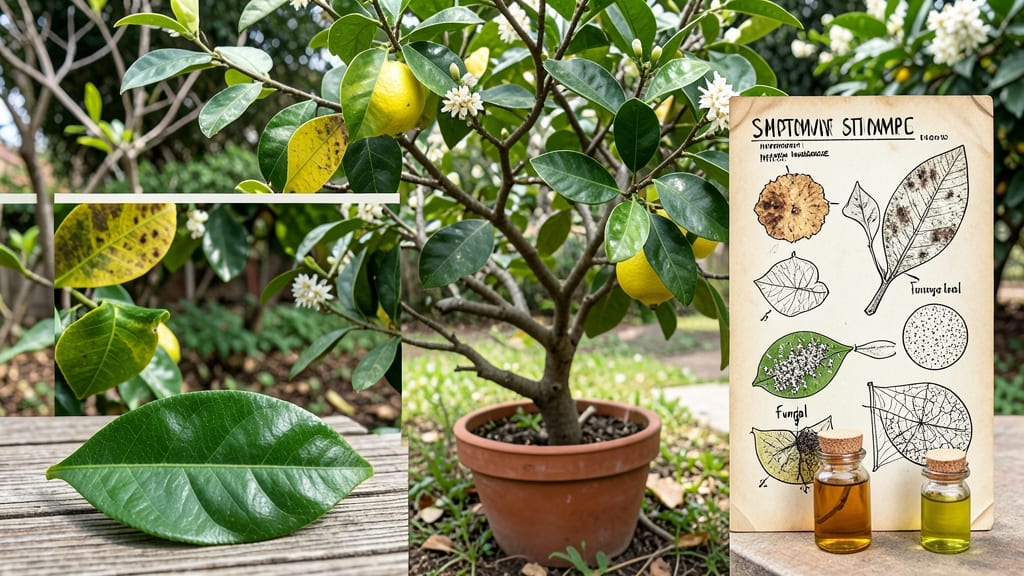
Citrus leaf problems like yellowing, spots, or curling can turn your prized trees into a sad, scraggly mess—unless you act fast. 🌿 I’ve seen firsthand how a single fungal infection or pest outbreak can spiral into a full-blown crisis if ignored, but the right copper spray technique stops it in its tracks.
The key is identifying the issue early and applying treatments before the damage spreads beyond repair.
Most citrus leaf problems stem from three culprits: fungal diseases (like melanose or greasy spot), sap-sucking pests (aphids, mites, or scale), or nutrient deficiencies (especially iron or zinc). Copper sprays are particularly effective against fungal infections because they create a protective barrier on leaves, while also discouraging pests.
The secret? Timing—apply sprays before rain to let the copper settle, and repeat every 7–10 days during outbreaks. For pests, a strong spray can even smother them on contact.
What you’ll end up with is a tree that looks as vibrant as the day you planted it—no more yellowing, no more spots, just glossy, healthy foliage. The best part? This method works for both organic gardeners and those open to conventional treatments, and it’s safe once the spray dries.
You’ll know you’ve nailed it when new growth emerges without a single blemish, and the tree starts producing fruit again.
This approach works for all citrus varieties—lemon, lime, orange, or grapefruit—and adapts to both container-grown trees and in-ground plantings. The only time to step back is if the problem persists after three treatments, which might signal a deeper issue like root rot or a systemic infection.
That’s when a local extension office or arborist can help diagnose what’s really going on.
Root Causes Behind Citrus Leaf Issues
Citrus trees are resilient, but their leaves can become a battleground for nature’s unseen forces—fungal spores, microscopic pests, and environmental stressors. Understanding why these problems arise is the first step to preventing them.
Below, we break down the science behind the most common citrus leaf issues, from nutrient deficiencies to fungal invasions.
Fungal pathogens like Phytophthora, Guignardia citricarpa (citrus greasy spot), and Alternaria thrive in warm, humid conditions—ideal for citrus-growing regions. These fungi exploit weak spots in leaves, often entering through wounds or stomata (tiny leaf pores).
- How it spreads: Spores latch onto leaves via wind, rain, or contaminated tools. High humidity (above 70%) creates a fungal paradise, allowing spores to germinate within 24–48 hours.
- Visible signs: Greasy black spots (Guignardia), yellow halos (Alternaria), or sudden leaf drop (Phytophthora).
- Why copper sprays work: Copper disrupts fungal cell membranes, preventing spore germination. It’s especially effective when applied preventatively before rainy seasons.
💡 Pro Tip: Remove infected leaves immediately and avoid overhead watering to reduce humidity around foliage.
Sap-sucking insects like aphids, scale, and spider mites don’t just feed—they inject toxins into leaves, causing discoloration, curling, or sticky honeydew buildup. Their damage weakens the tree, making it vulnerable to secondary infections.
- Key culprits:
- Citrus leafminer (larvae tunnel inside leaves, creating serpentine trails).
- Scale insects (armored pests that smother leaves with waxy shields).
- Spider mites (tiny arachnids that thrive in dry heat, causing stippling).
- Why leaves react: Insect saliva triggers stress hormones in the tree, leading to chlorosis (yellowing) or necrosis (dead tissue). Honeydew also fosters sooty mold, a black fungal growth.
- Copper’s indirect role: While copper isn’t a pest killer, it reduces fungal hitchhikers (like sooty mold) that exploit pest damage.
🔥 Action Step: Use a strong water spray to dislodge aphids or apply neem oil for mites—then follow up with copper spray to protect against fungal fallout.
Citrus leaves often scream for help when they’re starving—whether from lack of micronutrients or poor soil chemistry. Copper itself is a micronutrient, but its deficiency (or toxicity) can mimic other problems.
| Symptom | Likely Cause | Scientific Explanation |
|---|---|---|
| Yellowing between veins (chlorosis) | Iron or manganese deficiency | Poor soil aeration or high pH (alkaline soil) locks out these nutrients, even if they’re present. |
| Crinkled, brittle leaves | Magnesium deficiency | Magnesium is central to chlorophyll; its absence disrupts photosynthesis, leading to leaf distortion. |
| Brown, dead spots on leaf edges | Potassium deficiency | Potassium regulates water balance and stress tolerance—without it, leaves burn from transpiration. |
🌡️ Soil Test First: Before blaming pests, test your soil’s pH and micronutrient levels. Citrus thrives in slightly acidic soil (pH 6.0–7.0). If copper levels are low, a foliar spray can supplement what roots miss.
Extreme weather, poor drainage, or sudden temperature swings can shock citrus trees into dropping leaves or developing abnormal spots. Unlike biological causes, these issues are often physical—think of them as bruises on a leaf’s surface.
- Heat stress: Temperatures above 95°F (35°C) cause leaf scorch (brown edges) by accelerating water loss. Stomata close to conserve moisture, but this traps toxins inside the leaf.
- Cold damage: Frost below 28°F (-2°C) ruptures cell membranes, leading to blackened, water-soaked patches. Young leaves are most vulnerable.
- Waterlogging: Soggy roots starve leaves of oxygen, triggering anaerobic stress (fermentation-like processes that produce toxic byproducts).
- Why copper helps here: While it doesn’t fix weather, copper stabilizes cell membranes, reducing secondary damage from stress-induced leaf weakness.
✨ Prevention Hack: Mulch with wood chips to moderate soil temps, and ensure well-draining soil to avoid waterlogged roots.
Most citrus leaf problems stem from a combination of these factors—pests weaken the tree, fungi exploit the damage, and poor nutrition leaves it defenseless. The good news? Copper sprays tackle multiple of these causes at once, acting as a shield against the domino effect of decline.
How to Fix Citrus Leaf Issues
Once you’ve identified the cause behind your citrus tree’s leaf problems—whether it’s fungal infections, pests, or nutrient deficiencies—it’s time to take action. The good news? Most issues can be resolved with targeted treatments and a little preventive care.
Below, we’ll break down practical, step-by-step solutions for each common citrus leaf problem, plus tips to keep your tree thriving long-term.
Fungal infections like citrus scab, melanose, or leaf spot thrive in damp conditions. Here’s how to tackle them:
🔥 Remove Infected Leaves & Fruit
- 👨🍳 Step 1: Prune away yellow, spotted, or discolored leaves using sterilized pruners (wipe with rubbing alcohol between cuts).
- 🗑️ Step 2: Dispose of infected debris in the trash (not compost)—fungi can survive and reinfect.
- ✨ Pro Tip: If fruit is heavily infected, remove it to prevent spores from spreading to other trees.
💡 Apply Fungicide (Copper-Based Spray Works Best)
- 🛡️ Step 1: Choose a copper fungicide (like copper hydroxide or copper sulfate)—these are effective against fungal pathogens.
- 🍳 Step 2: Mix the fungicide according to label instructions (typically 1-2 tbsp per gallon of water).
- 🌧️ Step 3: Spray thoroughly on both sides of leaves, stems, and fruit—early morning or late evening to avoid sunburn.
- ⏰ Frequency: Apply every 7-14 days until new growth appears healthy.
Repeat preventively before rainy seasons.
🌡️ Improve Airflow & Reduce Moisture
- 🌬️ Step 1: Thin out dense foliage to allow sunlight and air to circulate.
- 💧 Step 2: Water at the base (not overhead) and avoid late-day watering to keep leaves dry.
- 🌱 Step 3: Mulch around the base (2-3 inches of organic mulch) to regulate soil moisture.
Pests like scale, aphids, spider mites, or citrus leaf miners suck nutrients and weaken leaves. Here’s how to evict them:
🔪 Manual Removal (For Light Infestations)
- 👨🍳 Step 1: Wipe leaves with a soapy water solution (1 tsp mild dish soap + 1 quart water) using a soft cloth or sponge.
- 🕷️ Step 2: For scale insects, use a toothbrush dipped in rubbing alcohol to scrape them off.
- ✨ Pro Tip: Do this early in the morning when pests are least active.
🛡️ Chemical & Organic Treatments
| Pest | Treatment | Frequency |
|---|---|---|
| Aphids | Neem oil spray (1 tsp neem oil + 1 tsp soap + 1 quart water) | Every 5-7 days for 2 weeks |
| Spider Mites | Horticultural oil spray (apply when temps are below 90°F) | Every 7-10 days |
| Scale | Dormant oil spray (apply in winter when pests are dormant) | Once in late fall/early spring |
| Leaf Miners | Insecticidal soap or spinosad-based spray (follow label) | Every 5-7 days until gone |
🌱 Prevent Future Infestations
- 🌿 Step 1: Encourage natural predators like ladybugs, lacewings, and parasitic wasps by planting companion flowers (e.g., marigolds, alyssum).
- 💧 Step 2: Keep trees healthy—stressed trees attract more pests. Fertilize regularly (balanced citrus fertilizer) and water deeply but infrequently.
- 👀 Step 3: Inspect new plants before bringing them home—quarantine them for a week to spot hitchhiking pests.
Yellowing leaves, stunted growth, or weak stems? Your citrus tree might be hungry or thirsty. Fix it with these steps:
📊 Soil Test First (Know What’s Missing)
- 🧪 Step 1: Send a soil sample to a local extension office (or use a home test kit) to check pH and nutrient levels.
- 💡 Pro Tip: Citrus trees prefer slightly acidic soil (pH 6.0-7.0).
If too alkaline, amend with sulfur or peat moss.
🍽️ Correct Deficiencies with Fertilizer
| Symptom | Likely Cause | Solution |
|---|---|---|
| Yellow leaves (lower first) | Nitrogen deficiency | Apply balanced citrus fertilizer (e.g., 6-6-6 or 8-3-9) in early spring. |
| Yellow leaves with green veins | Iron deficiency (chlorosis) | Apply chelated iron or iron sulfate (follow package rates). |
| Purple or red leaves | Phosphorus deficiency | Use a high-phosphorus fertilizer (e.g., 5-10-10) in early spring. |
| Brown leaf edges | Potassium deficiency | Fertilize with potassium-rich food (e.g., banana peel tea or 0-0-50). |
| Small, weak leaves | Zinc or magnesium deficiency | Apply Epsom salt (magnesium sulfate) or zinc sulfate (1 tbsp per gallon). |
💧 Watering & Mulching for Strong Roots
- 💧 Step 1: Water deeply but infrequently—citrus trees hate soggy roots. 1-2 inches per week (more in extreme heat).
- 🌱 Step 2: Mulch heavily (3-4 inches of wood chips or straw) to retain moisture and regulate soil temp.
- ✨ Pro Tip: Drip irrigation is best—it delivers water directly to roots without wetting leaves (reducing fungal risk).
- 🌞 Prune for sunlight: Keep the canopy open to reduce humidity and fungal growth.
- 🍊 Harvest regularly: Removing overripe or fallen fruit prevents pests and diseases.
- 🌿 Rotate treatments: If using chemicals, alternate between copper, neem, and insecticidal soaps to avoid resistance.
- 📅 Schedule preventative sprays: Apply copper fungicide in spring and dormant oil in winter as a safeguard.
- 🌡️ Monitor weather: Fungal spores spread fast in rain—cover trees with row covers during heavy downpours if needed.
By acting fast and staying consistent, you can bring your citrus tree back to full, vibrant health. Spotless leaves aren’t just about aesthetics—they’re a sign of a strong, productive tree!** 🌿✨
Frequently asked questions about citrus leaf problems
Why do my citrus leaves turn yellow first between the veins?
This classic symptom usually signals iron deficiency (chlorosis), often caused by alkaline soil (pH above 7.0). Citrus trees need slightly acidic soil (pH 6.0-7.0) to absorb iron. Try applying chelated iron or iron sulfate and test your soil—amending with sulfur may help if the pH is too high.
Can I use copper spray on my citrus tree if I see black spots?
Copper sprays are excellent for fungal issues like melanose or greasy spot. Mix 1-2 tablespoons of copper fungicide per gallon of water and apply every 7-14 days until new growth appears. For best results, spray early morning or late evening to avoid sunburn on leaves.
What should I do if my citrus leaves are curling and sticky?
Sticky leaves almost always mean aphids or scale insects. Start by wiping leaves with a soapy water solution (1 tsp mild soap + 1 quart water). For heavy infestations, use neem oil spray or horticultural oil—reapply every 5-7 days until pests disappear. Remove heavily infested leaves to prevent spread.
Is it safe to prune infected citrus leaves?
Yes, but sterilize your pruners first with rubbing alcohol to avoid spreading disease. Remove only infected leaves (don't over-prune) and dispose of them in the trash, not compost. Prune during dry weather to reduce fungal spores in the air.
How often should I apply copper spray for prevention?
For prevention, apply copper fungicide every 4-6 weeks during the growing season (spring to fall). Increase to every 2 weeks if you notice early signs of fungal issues. Always apply before rain to let it dry and form a protective layer. Stop sprays 2 weeks before harvest if eating fruit directly from the tree.