
Flowers
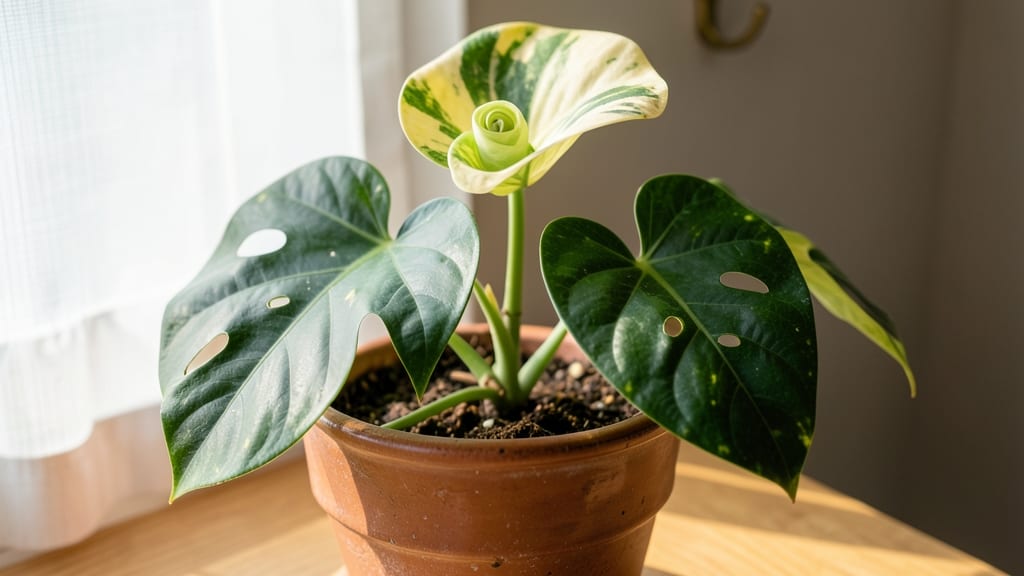
When this flower has turned a new leaf—but not in the way you’d hope—spotted, yellowed, or stunted growth is a red flag. 🌿 Fungal spots, nutrient imbalances, or even pests could be the culprit, and copper-based treatments often work where store-bought sprays fail.
The key is acting fast before the problem spreads to your whole garden.
Start by inspecting the undersides of leaves for dark spots, powdery residues, or tiny holes—these clues reveal whether you’re dealing with fungal disease, aphids, or a simple nutrient deficiency. Check the soil too: soggy roots invite rot, while dry, crusty soil signals thirst.
Most gardeners overlook the environment first, but fixing watering habits or improving airflow can stop the problem before it starts.
Copper fungicide is your secret weapon here—it’s safe for plants, pets, and pollinators when used correctly. Mix it with water and apply it to both leaf surfaces and soil, focusing on the worst-affected areas.
Within a week, you’ll see new growth pushing out, free of those unsightly spots. The best part? Copper builds up in the soil over time, giving your plants long-term protection.
If the spots persist after two treatments, dig deeper: test your soil pH, adjust your fertilizer, or rotate crops next season. This isn’t just about saving one plant—it’s about preventing a garden-wide outbreak. Trust the process, and your flowers will bounce back stronger than ever.
Root Causes Of Sudden Leaf Changes
When your beloved flower suddenly sprouts a fresh, vibrant leaf—often after a concerning spot or discoloration—it’s not just a random twist of fate. Behind this botanical turnaround are specific triggers, each tied to the plant’s survival instincts and environmental interactions.
Understanding these root causes helps you diagnose the issue faster and apply the right copper-based or organic fixes. Let’s break down the science behind why your flower might be turning a new leaf.
Fungal infections like Alternaria or Septoria spots can weaken leaves, but they also trigger a plant’s defense mechanism. When a leaf is severely damaged, the plant may abscise (shed) it to conserve energy and redirect nutrients to healthier growth.
This is why you might spot a new, unblemished leaf emerging—it’s the plant’s way of rebooting its photosynthetic system.
- How it works: Fungal spores release elicitors (molecular signals) that activate the plant’s systemic acquired resistance (SAR). This process boosts production of salicylic acid, a natural hormone that stimulates new, disease-resistant leaves.
- Actionable insight: If you notice old leaves yellowing or dropping, it’s a sign the plant is prioritizing survival. Prune affected foliage immediately to prevent spore spread, then apply a copper fungicide (like copper hydroxide) to disrupt fungal cycles.
- Pro tip 💡: Copper works best when leaves are dry. Avoid spraying in humidity—wait for morning dew to evaporate to maximize absorption.
Both overwatering and underwatering can force a flower to shed damaged leaves and focus on new ones. The key difference? The type of stress each causes.
| Cause | Plant Response | Signs to Watch For |
|---|---|---|
| Overwatering | Roots suffocate, starving leaves of oxygen. The plant drops old leaves to reduce water loss and grows new ones with better gas exchange. |
|
| Underwatering | Cells lose turgor pressure, causing leaf drop. The plant conserves moisture by shedding old leaves and prioritizing succulent new growth. |
|
Fix it: Adjust your watering schedule based on the soil’s moisture retention. For overwatered plants, let the top 2 inches of soil dry out before watering again. For underwatered plants, soak the root zone thoroughly but avoid soggy conditions. Copper fungicides can still help here—they improve microbial balance in the rhizosphere, aiding root recovery.
Sudden changes in light or temperature can shock a plant into a survival mode. For example:
- Cold snaps: Chilly nights (below 50°F/10°C) can cause cellular damage in tropical flowers. The plant may drop old leaves to reduce heat loss and focus energy on new, hardier foliage.
- Heat stress: Temperatures above 90°F (32°C) can denature proteins in leaves, leading to spotting. The plant responds by shedding damaged leaves and growing smaller, heat-tolerant ones.
- Light fluctuations: Moving a plant from shade to full sun (or vice versa) without acclimation causes photoinhibition. The plant “resets” by dropping old leaves and producing new ones adapted to the light conditions.
Action steps:
- Gradually harden or soften plants to temperature changes over 7–10 days.
- Use shade cloth (30–50%) if moving indoors to outdoors in hot climates.
- For cold-sensitive plants, use a row cover or move them to a sheltered spot.
Pro tip ✨: Copper-based sprays can enhance heat tolerance by strengthening the plant’s cell walls. Apply in the early morning to prevent leaf burn.
A sudden leaf change can also signal a nutrient shift. For instance:
- Nitrogen deficiency: Old leaves yellow (chlorosis) as the plant reallocates nitrogen to new growth. You’ll see fresh leaves emerging lighter green or purple-tinged (a sign of stress).
- Phosphorus boost: If you’ve recently fertilized with a high-phosphorus formula (like bone meal), the plant may drop old leaves to prioritize flowering and root growth, resulting in darker, thicker new leaves.
- Potassium shock: Too much potassium can disrupt calcium uptake, causing leaf edges to brown. The plant responds by shedding old leaves and producing new ones with better structural integrity.
Diagnose and fix:
- Test your soil’s pH (ideal range: 6.0–7.0 for most flowers). Copper fungicides work best in slightly acidic to neutral soil.
- For nitrogen deficiency, use a balanced fertilizer (10-10-10) or compost tea.
- Avoid “feeding” a stressed plant—wait until new growth appears before fertilizing again.
Revitalizing Your Flower’s Health
When your beloved blooms show signs of stress, it’s time to roll up your sleeves and take action. Fungal spots, nutrient deficiencies, or environmental strain can dull a flower’s vibrancy—but with the right approach, you can help it bounce back stronger than ever.
Below, we’ve mapped out practical, step-by-step solutions tailored to the most common causes, plus prevention tips to keep your garden thriving long-term.
If your flower’s leaves are dotted with unsightly brown or black spots, fungal diseases like powdery mildew, leaf spot, or rust are likely the culprits. Here’s how to stop the spread and restore health:
🔥 Step 1: Identify & Isolate
- Remove infected leaves (wear gloves!) and dispose of them in the trash—not the compost—to prevent reinfection.
- Separate affected plants from healthy ones for at least 2–3 days to limit spores from spreading via air or tools.
🍳 Step 2: Copper Fungicide Application Copper-based sprays are highly effective against fungal pathogens.
Here’s how to use them safely: - Choose a copper fungicide: Look for copper sulfate, copper hydroxide, or copper octanoate (e.g., Bonide Copper Fungicide). - Mix & apply: - Follow label instructions for dilution (typically 1–2 tbsp per gallon of water). - Spray both sides of leaves and stems thoroughly, focusing on undersides where spores hide. - Reapply every 7–14 days until new growth appears spot-free.
👨🍳 Step 3: Boost Airflow & Light Fungi thrive in humid, stagnant conditions.
Improve your plant’s environment: - Prune nearby foliage to enhance airflow around the plant. - Avoid overhead watering—use a soaker hose or drip irrigation to keep leaves dry. - Space plants appropriately (check their mature size) to prevent crowding.
🌡️ Step 4: Strengthen Natural Defenses
- Neem oil spray: Mix 1 tsp neem oil + 1 tsp mild soap + 1 quart water, spray weekly for 3 weeks to prevent recurrence.
- Baking soda solution (for mild cases): 1 tsp baking soda + 1 quart water + a few drops of soap (spray on dry leaves).
Yellowing leaves, stunted growth, or pale stems? Your flower might be starving for essential nutrients. Fix it with these targeted fixes:
💡 Step 1: Soil Test First
- Grab a DIY soil test kit (or send a sample to a local extension office) to identify pH imbalances or missing nutrients (e.g., nitrogen, magnesium, iron).
- Quick fix: If you can’t test, amend soil with compost (for organic matter) and a balanced fertilizer (10-10-10 or 20-20-20).
🥗 Step 2: Targeted Fertilizer Solutions
| Symptom | Likely Deficiency | Solution |
|---|---|---|
| Yellow lower leaves | Nitrogen (N) | Apply blood meal (organic) or ammonium sulfate (synthetic). |
| Purple stems/leaves | Phosphorus (P) | Use bone meal or a high-phosphorus fertilizer (e.g., 5-10-10). |
| Yellow veins, green edges | Magnesium (Mg) | Sprinkle Epsom salt (1 tbsp/gallon water) every 2 weeks. |
| Pale green/yellowing | Iron (Fe) | Apply chelated iron or iron sulfate (for acid-loving plants). |
🎯 Step 3: Improve Soil Health Long-Term
- Add organic matter: Mix in compost, worm castings, or coconut coir to improve drainage and nutrient retention.
- Mulch properly: Use 2–3 inches of mulch (straw, wood chips) to retain moisture and regulate soil temp.
- Avoid over-fertilizing: More isn’t better—follow package rates to prevent burn or salt buildup.
If your flower is wilting, dropping buds, or growing slowly, environmental factors like heat, cold, or poor light may be to blame.
✨ Step 1: Check Light Conditions
- Too little light? Move to a sunnier spot (or supplement with grow lights for indoor plants).
- Too much sun? Provide afternoon shade with a lightweight shade cloth (30–50%).
🔥 Step 2: Optimize Watering
- Overwatering? Let soil dry 1–2 inches deep between waterings; use a moisture meter for accuracy.
- Underwatering? Water deeply at the base (not the leaves) and mulch to retain moisture.
🌡️ Step 3: Protect from Extreme Temps
- Heat stress? Mist leaves in early morning (avoid evening to prevent fungal growth) or provide shade cloth.
- Cold damage? Move potted plants to a sheltered spot or cover with frost cloth if temps drop below 32°F (0°C).
Once your flower recovers, keep it thriving with these proactive habits:
- 💡 Rotate crops: If growing annuals, change plant families yearly to prevent soil-borne diseases.
- 🌡️ Monitor humidity: Use a hygrometer to keep levels below 60%—dehumidifiers or fans help in greenhouses.
- 🔪 Sterilize tools: Clean pruners with rubbing alcohol between cuts to avoid spreading pathogens.
- 🍃 Choose resistant varieties: Pick disease-resistant cultivars (e.g., ‘Cleopatra’ roses for mildew resistance).
Remember: Patience is key—some flowers take weeks to show improvement. Stick with the plan, and soon, your once-struggling bloom will be flourishing like new! 🌸
Frequently asked questions
Why does my flower suddenly grow a new leaf after showing spots?
This is your plant’s survival strategy! When leaves develop spots from fungal infections or stress, the plant often abscises (drops) them to conserve energy and redirect nutrients to new growth. The fresh leaf signals the plant is rebooting its photosynthetic system—think of it as a botanical "reset button." Copper fungicides can help prevent further damage while supporting this recovery.
Are copper sprays safe for all flowers?
Most flowers tolerate copper fungicides when used correctly, but always test a small area first. Avoid using copper on acid-loving plants like blueberries or azaleas in high doses, as it can alter soil pH. For sensitive varieties, opt for neem oil or baking soda solutions instead. Always apply in the early morning to prevent leaf burn.
How often should I apply copper fungicide?
Start with one application every 7–10 days until you see new, healthy leaves emerge. After that, switch to a preventative schedule—every 2–4 weeks during humid seasons or after rain. Copper builds up in soil over time, so consistency is key. Stop if you notice leaf discoloration or curling as a sign of overuse.
What if my new leaves look wrinkled or stunted?
Wrinkled or stunted new leaves often signal overwatering or nutrient imbalance. Let the top 2 inches of soil dry between waterings and test your soil’s pH (ideal: 6.0–7.0). If the issue persists, try a balanced fertilizer (10-10-10) or compost tea. Copper sprays can also help by improving microbial balance in the soil.
Can I use copper fungicide if my flower is blooming?
Yes, but avoid spraying directly on open blooms—focus on leaves and stems instead. Copper is generally safe for pollinators when used as directed, but blooming flowers may absorb more of the solution. For extra safety, apply in the early morning when bees are less active, and rinse blooms lightly with water afterward if needed.