
Aphids
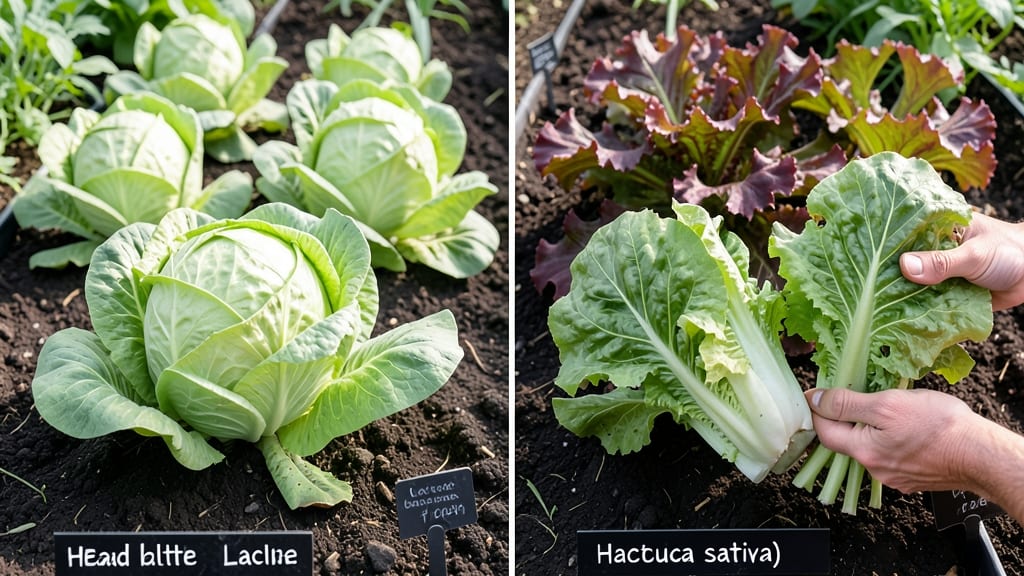
Head lettuce and leaf lettuce grow like day and night—one forms tight crunchy heads while the other sends out loose, tender leaves. 🌱 The choice you make now determines whether you’ll be harvesting crisp wedges for sandwiches or continuous baby greens for salads all season.
My first attempt at growing iceberg ended in bitter disappointment until I learned the soil and spacing secrets that make the difference between success and disappointment.
Head lettuce like iceberg and romaine demands rich, well-draining soil packed with compost and a consistent watering schedule—too much sun or uneven moisture, and those perfect heads turn bitter or loose.
Leaf lettuce, on the other hand, thrives in lighter, looser soil and tolerates more shade, making it the perfect choice for container gardens or partial-sun spots. Spacing matters too: heads need 12-18 inches apart, while leaf varieties can crowd 6-10 inches for continuous harvests.
Here’s the game-changer: head lettuce bolts (goes to seed) faster in heat, so it’s a cool-season crop that needs shade cloth in summer. Leaf lettuce handles warmer temperatures better and even regrows after cutting, giving you weeks of harvests from a single planting.
The flavor difference? Head lettuce stays crisp but can taste bland; leaf lettuce packs sweeter, more intense flavors when picked young.
Pick head lettuce for big salads, wraps, and crunchy sides—it’s the star of summer gatherings. Choose leaf lettuce for salad bars, sandwich toppings, or microgreens—it’s the workhorse of the garden.
Both love regular water and mulch to keep roots cool, but their spacing, sunlight needs, and harvest windows couldn’t be more different. Which one will you grow this season?
The first product explained
Meet Product A: 'Big Green Monarch'—the ultimate head lettuce variety designed to take your garden game to the next level! 🌱🥬 Whether you're a backyard gardener or a homesteader, this crisp, buttery lettuce is a game-changer for those who love bold, sturdy heads packed with flavor. Let’s dive into why this variety is a must-have for your garden!
📏 Specs & Features
Big Green Monarch is a mid-season head lettuce that thrives in cooler climates, making it perfect for spring and fall planting. Here’s what sets it apart:
- Variety Type: Crisphead (Iceberg-style)
- Days to Maturity: 55-65 days
- Plant Spacing: 12-18 inches apart (for optimal head formation)
- Color: Deep green, tight, and uniform heads (weighing 1.5-2.5 lbs each!)
- Flavor Profile: Sweet, mild, and slightly buttery with a satisfying crunch
- Resistance: Moderate resistance to tip burn and bolting (great for extended harvests!)
🎯 Target Users
This lettuce is ideal for:
- Home gardeners who want a reliable, high-yield head lettuce for salads and sandwiches.
- Small-scale farmers looking to grow a marketable, long-lasting variety.
- Beginners—it’s forgiving with consistent watering and soil prep.
- Health-conscious families who prioritize fresh, pesticide-free greens.
💰 Price Point & Availability
Big Green Monarch seeds are budget-friendly and widely available from reputable seed suppliers like Burpee, Johnny’s Selected Seeds, or local nurseries. Prices typically range from $2.50 to $4.50 per packet, depending on the brand and quantity.
For organic or heirloom versions, expect to pay a premium—around $5-$7 per packet.
Pro Tip: 💡 Plant Big Green Monarch in succession every 2-3 weeks for a continuous harvest! Pair it with radishes or carrots to maximize space in your garden beds.
The second product explained
Now, let’s dive into the leaf lettuce—the dynamic, fast-growing superstar of the salad world! 🌱✨ If you’re all about convenience, versatility, and a garden that keeps giving, leaf lettuce is your go-to. Here’s why it’s a game-changer for home growers and busy gardeners alike.
🌿 Key Specs & Features
Leaf lettuce (like Buttercrunch, Romaine, or Looseleaf varieties) thrives on its loose, open growth habit, making it a breeze to cultivate. Unlike its head-bound cousin, leaf lettuce doesn’t form a tight heart—it grows in individual leaves or rosettes, which means:
- Faster harvests: Ready in 30–50 days (vs. 60+ for head lettuce). Snip-and-go!
- Cut-and-come-again: Harvest outer leaves, and the center keeps growing. Zero waste!
- Heat tolerance: Many varieties (like Black Seeded Simpson) handle warmer temps better than head lettuce.
- Pest resilience: Loose leaves dry faster, reducing aphid hotspots (though always keep an eye out for those pesky critters!).
🎯 Who’s It For?
Leaf lettuce is the ultimate choice for:
- 🌿 Beginner gardeners: Forgiving, fast, and forgiving of mistakes.
- 📅 Urban farmers: Perfect for small spaces, containers, or balconies.
- 🍽️ Salad enthusiasts: Mix-and-match flavors (buttery, peppery, or crispy) in one harvest.
- 🕒 Busy bees: No waiting for a full head—just grab what you need!
💰 Price Point & Value
Leaf lettuce seeds are budget-friendly, typically costing $1–$3 per packet (vs. $2–$4 for head lettuce). The real win? Long-term savings—one packet yields weeks of harvests with minimal replanting. Plus, organic or heirloom varieties (like Oakleaf) add gourmet flair for $3–$5.
💡 Pro Tip: For year-round production, succession plant every 2–3 weeks. Shade cloth in summer or cold frames in winter keep it thriving!
Head-to-head comparison
Ready to dive into the head lettuce vs. leaf lettuce showdown? 🥬 Let’s break it down with a side-by-side comparison that’ll help you pick the perfect fit for your garden (or kitchen!).
Whether you’re a home gardener or a salad enthusiast, understanding these key differences will change the way you grow—and eat—lettuce.
🌱 Growth Habits & Structure
This is where the two types really diverge! Head lettuce and leaf lettuce have completely different growth patterns, which affects everything from planting to harvesting.
- Head Lettuce:
- Forms a tight, compact head (like romaine or iceberg).
- Grows upward, with leaves wrapping inward to create a solid, rounded shape.
- Takes longer to mature (45–70 days, depending on the variety).
- Requires more space between plants to prevent crowding and disease.
- Leaf Lettuce:
- Grows in a loose, sprawling habit (think butterhead or loose-leaf varieties like oakleaf).
- Leaves spread outward in a rosette pattern, rarely forming a head.
- Matures faster (30–50 days), making it ideal for quick harvests.
- Thrives in tighter spaces—perfect for container gardening or succession planting.
Pro Tip: 💡 If you’re short on space, leaf lettuce is your best friend! It’s also great for cut-and-come-again harvesting—just snip the outer leaves, and the plant keeps producing.
💰 Price & Accessibility
Your wallet (and local grocery store) will notice the difference here. Head lettuce and leaf lettuce vary in cost, availability, and even shelf life.
| Factor | Head Lettuce | Leaf Lettuce |
|---|---|---|
| Grocery Store Price | $0.80–$2.50 per head (depends on variety and season) | $0.50–$1.50 per bunch or $2–$4 per bag (often sold by weight) |
| Shelf Life (Unwashed, Stored Properly) | 1–2 weeks (heads bruise easily) | 2–3 weeks (leaves wilt faster but can be stored longer if dried) |
| Seed Cost | $2–$5 per packet (standard varieties like romaine or iceberg) | $1.50–$4 per packet (heirloom or specialty varieties may cost more) |
| Market Availability | Year-round (greenhouse-grown in winter), peak in spring/fall | More seasonal (spring/fall), harder to find in summer heat |
Pro Tip: 🌡️ Leaf lettuce is often cheaper per ounce when bought in bulk or from farmers' markets. Plus, it’s easier to grow at home, saving you money long-term!
🍽️ Flavor & Culinary Uses
Not all lettuce is created equal when it comes to taste and texture. Here’s how they stack up in the kitchen:
- Head Lettuce:
- Crisp and structured (iceberg) or slightly bitter with a firm bite (romaine).
- Best for:
- Classic iceberg wedge salads (with ranch or blue cheese).
- Grilled romaine Caesar salads.
- Wraps or lettuce boats (stuffed with fillings).
- Downside: Can be watery (especially iceberg) and lacks depth of flavor.
- Leaf Lettuce:
- Delicate, buttery, or slightly peppery (butterhead) to bold and earthy (oakleaf or red leaf).
- Best for:
- Light, flavorful salads (mixed greens, goat cheese, nuts).
- Wilted greens in pasta or soups.
- Garnishes or gourmet toppings (think truffle oil or balsamic glaze).
- Upside: More nutrient-dense and packed with flavor variety!
Pro Tip: ✨ For the best of both worlds, try growing mini head varieties (like little gem) or hybrid leaf-head types (such as ‘Salad Bowl’). They offer a balance of crunch and loose leaves!
🌿 Pest & Disease Resistance
Both types are aphid magnets, but their growth habits influence how susceptible they are to common lettuce problems.
| Issue | Head Lettuce | Leaf Lettuce |
|---|---|---|
| Aphids | ⚠️ High risk—tight heads trap pests and make sprays less effective. | ✅ Moderate risk—easier to spot and treat aphids on loose leaves. |
| Downy Mildew | ⚠️ Vulnerable—moisture gets trapped in the head. | ✅ Less severe—better air circulation reduces fungal growth. |
| Bolting (Going to Seed) | ⚠️ Slower to bolt but still heat-sensitive. | ✅ Faster to bolt in heat—best grown in cooler seasons. |
| Solution for Both | 🔥 Prevent aphids with:
|
|