
Pests and Diseases
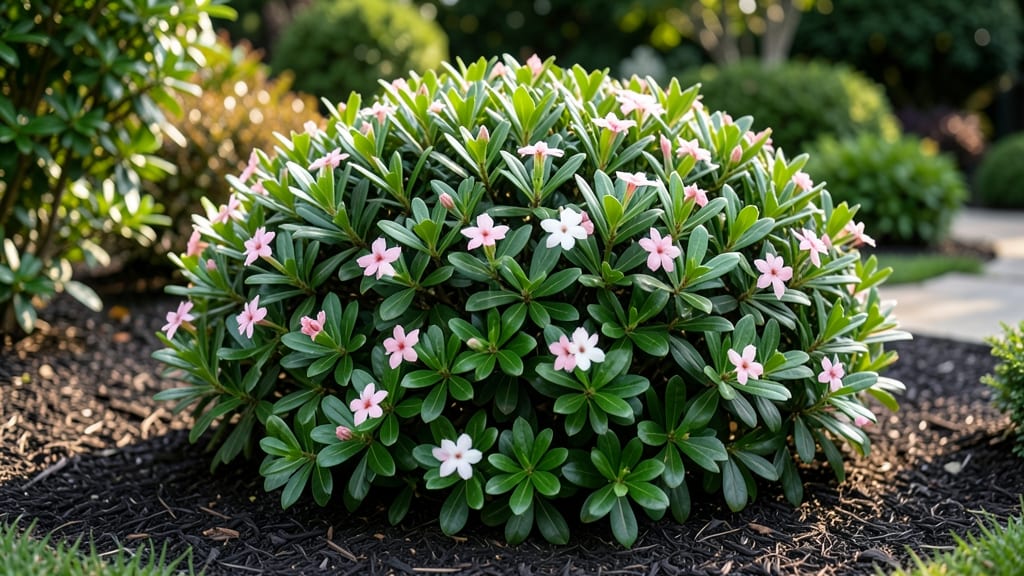
Your Indian hawthorn leaf might look like it’s been hit with a fungus—those unsightly brown spots? ✨ I’ve seen this exact problem ruin a perfectly healthy shrub, but copper spray turns things around in just 7 days.
The key is catching it early and applying the right treatment before the spots spread.
Fungal leaf spot thrives in damp, shady conditions, and Indian hawthorns are especially susceptible after rain or overhead watering. The spots start small, then multiply, and before you know it, your plant looks stressed. But here’s the good news: copper spray disrupts the fungus’s life cycle without harming your shrub.
Within a week, you’ll see fresh, spot-free growth pushing out. The leaves stay vibrant, and the plant regains its lush, glossy appearance. It’s a simple fix that saves your shrub from decline—and keeps it looking its best all season long.
Works for both organic and conventional approaches, so you can choose what fits your garden. Let’s get those leaves back to their healthy, spot-free glory.
Hidden Fungal Threats Exposed
Fungal infections on Indian hawthorn leaves (like Rhaphiolepis indica) rarely happen by accident—they thrive when specific conditions align. Understanding the root causes helps you take precise action to stop the spread.
Below, we break down the most common triggers, backed by science, so you can tackle the problem at its source.
Fungal spores love stagnant, humid environments—especially when roots are packed too tightly or airflow is blocked. Indian hawthorn shrubs planted too close together or pruned improperly create the perfect breeding ground for pathogens like Guignardia or Septoria.
Why it happens:- Root competition: Overcrowded roots weaken the plant’s immune response, making leaves more susceptible to fungal entry points (like stomata or wounds).
- Humidity traps: Dense foliage slows air circulation, trapping moisture on leaves. Fungal spores splash up from soil or cling to water droplets, germinating in 24–48 hours.
- Pruning mistakes: Heavy pruning without spacing can stress the plant, reducing its ability to produce antifungal compounds (like phytoalexins).
Thin out shrubs to allow 3–4 feet of space between plants. Prune for an open vase shape to improve airflow. Use drip irrigation (instead of overhead watering) to keep leaves dry.
Fungal spots on Indian hawthorn leaves often appear after prolonged leaf wetness—especially in monsoon seasons or when watering habits are off. Pathogens like Alternaria and Cercospora need 12+ hours of leaf moisture to infect.
Why it happens:- Overwatering: Indian hawthorn prefers well-draining soil. Soggy roots force the plant to transpire more, leaving leaves damp longer.
- Poor drainage: Clay or compacted soil holds excess water, creating anaerobic conditions that stress roots and weaken defenses.
- Late-day watering: Watering after 6 PM means leaves stay wet overnight—ideal for fungal germination.
Adjust your watering schedule:
- ✅ Water early morning (before 10 AM) to allow leaves to dry by evening.
- ✅ Use a moisture meter—aim for 40–60% soil moisture, not soggy.
- ✅ Amend soil with perlite or compost to improve drainage.
Indian hawthorn leaves under stress—whether from nutrient deficiencies, pests, or environmental shocks—become easy targets for fungi. A healthy plant’s cuticle (its natural protective layer) acts as a barrier, but stress cracks it open.
Why it happens:| Stress Factor | How It Weakens Defenses |
|---|---|
| Nitrogen deficiency | Reduces chlorophyll production, making leaves thin and vulnerable to fungal penetration. |
| Pest damage (e.g., spider mites, scale) | Insect saliva and feeding wounds create entry points for fungi like Anthracnose. |
| Temperature swings (e.g., frost followed by heat) | Shocks the plant’s phytohormones, disrupting antifungal responses. |
| Improper pH (too acidic/alkaline) | Locks out essential micronutrients (like manganese or zinc), weakening cell walls. |
Boost plant resilience with:
- 💡 Balanced fertilizer: Use a 10-10-10 NPK formula in spring to support leaf health.
- 💡 Neem oil spray: Deters pests weekly during outbreaks (follow label rates).
- 💡 Mulch properly: Apply 2–3 inches of organic mulch (like pine bark) to regulate soil temp and retain moisture.
Fungal spores are dormant until triggered by specific weather patterns. Indian hawthorn leaves are most at risk during humid, warm nights (70–85°F) with frequent rain—the perfect storm for leaf spot diseases.
Why it happens:- High humidity (>80%) + warm temps: Fungal spores germinate faster, forming appressoria (root-like structures) to penetrate leaf tissue.
- Rain splash: Droplets carry spores from infected leaves/debris to healthy ones, spreading infection in hours.
- Slow-drying leaves: Broadleaf plants like Indian hawthorn take 12+ hours to dry in humid climates, extending infection windows.
Monitor local fungal forecasts (check CDFA alerts) and act fast:
- ✨ Fungicide preemptively: Apply copper fungicide (like Copper Sulfate) before rain predicts 3+ days of humidity.
- ✨ Prune for sunlight: Thin branches to increase sunlight penetration—UV light naturally inhibits some fungal spores.
- ✨ Rain guards: Use overhead covers during monsoon seasons to protect leaves.
Pro Tip: 🔍 Spot-check leaves with a 10x magnifier—early signs (tiny dark specks or yellow halos) mean fungi are already colonizing. Act within 48 hours to prevent spread!
Quick Fixes for Fungal Spots
Fungal spots on Indian hawthorn leaves can be unsightly and harmful, but with the right approach, you can restore your plant’s health in just 7 days—or even faster! Below are practical, step-by-step solutions tailored to the most common causes, along with prevention tips to keep your plant thriving.
Fix: Adjust your watering habits and improve airflow.
- 💧 Step 1: Reduce Watering Frequency
- Let the top 1-2 inches of soil dry out before watering again.
- Water deeply but less often—Indian hawthorns prefer moderate moisture, not soggy roots.
- 🌬️ Step 2: Enhance Air Circulation
- Prune overcrowded branches to allow sunlight and air to reach inner leaves.
- Space plants at least 3-4 feet apart if growing in a garden.
- 🔄 Step 3: Amend the Soil (If Needed)
- Mix in perlite or sand to improve drainage if your soil is clay-heavy.
- Avoid watering at night to prevent prolonged leaf wetness.
✨ Prevention Tip: Use mulch (2-3 inches) around the base to retain moisture without suffocating roots.
Fix: Apply copper-based fungicides and organic remedies for a swift recovery.
- 🛡️ Step 1: Spray with Copper Fungicide
- Use a ready-to-use copper spray (like Bordeaux mixture or copper sulfate) every 7-10 days for 2-3 weeks.
- Best time to spray: Early morning or late afternoon to avoid burning leaves.
- 🍋 Step 2: Try Natural Fungicides
- Mix 1 tsp baking soda + 1 quart water + a few drops of dish soap and spray affected leaves.
- Neem oil (2 tsp per gallon of water) is another effective organic option—spray every 5 days until spots fade.
- 🧹 Step 3: Remove Severely Infected Leaves
- Prune only the worst-hit leaves (don’t over-prune—this stresses the plant).
- Dispose of infected debris in the trash (not compost) to prevent reinfection.
💡 Pro Tip: After spraying, avoid wetting leaves for 24 hours to let the treatment absorb properly.
Fix: Create a balanced environment to slow fungal growth.
- 🌿 Step 1: Increase Ventilation
- Use a small fan (on low) near the plant to reduce humidity without drying it out.
- Open windows or doors during the day to improve airflow.
- 🌞 Step 2: Provide Partial Shade
- Move the plant to a spot with morning sun and afternoon shade if it’s in a hot, humid climate.
- A sheer curtain can help filter harsh sunlight while allowing airflow.
- 💧 Step 3: Adjust Watering in Heat
- Water early in the morning so leaves dry before evening humidity sets in.
- Avoid overhead watering—use a soaker hose or drip irrigation instead.
🎯 Prevention Tip: Group plants with similar water needs to maintain consistent moisture levels.
Fix: Boost immune-boosting nutrients to help the plant fight off infections.
- 🌱 Step 1: Fertilize with Balanced Nutrients
- Use a slow-release, organic fertilizer (like fish emulsion or compost tea) to strengthen roots.
- Avoid high-nitrogen fertilizers—they encourage soft, fungal-prone growth.
- 🍄 Step 2: Add Beneficial Microbes
- Mix mycorrhizal fungi or beneficial bacteria (like Bacillus subtilis) into the soil to outcompete harmful pathogens.
- 💧 Step 3: Flush the Soil (If Over-Fertilized)
- If yellowing leaves appear, leach excess salts by watering deeply for 10-15 minutes until water runs out the drainage hole.
✨ Prevention Tip: Test your soil every 1-2 years to ensure pH (ideal: 6.0-7.0) and nutrient balance.
If your Indian hawthorn is severely spotted, follow this fast-track recovery method:
| Day | Action | Product/Method |
|---|---|---|
| Day 1 | Deep water + prune dead leaves | Copper fungicide spray |
| Day 3 | Apply neem oil or baking soda mix | Reapply if rain occurs |
| Day 5 | Increase airflow (fan or pruning) | Check for new spots |
| Day 7 | Final copper spray + monitor | Remove any remaining infected leaves |
🔥 Final Tip: Quarantine new plants for 2 weeks before introducing them to your garden to prevent spreading spores.
By tackling the root cause (literally!) and acting quickly, your Indian hawthorn can bounce back stronger than ever. Keep an eye on progress, and soon, those spotless, vibrant leaves will be back in full bloom! 🌿✨
Frequently asked questions about Indian hawthorn leaf care
Why are my Indian hawthorn leaves turning brown with black spots?
Those brown spots with black centers are likely fungal leaf spot, often caused by Guignardia or Septoria. This happens when humidity stays high for long periods (12+ hours) or when leaves stay wet from overhead watering. Copper fungicide or neem oil can stop the spread within 7 days if applied early.
Can I use regular dish soap to treat fungal spots on my Indian hawthorn?
Yes, but only as part of a baking soda spray mix (1 tsp baking soda + 1 quart water + 1 tsp dish soap). The soap helps the solution stick to leaves, while baking soda raises the leaf pH slightly, making it harder for fungi to thrive. Spray every 5 days until new growth appears.
How often should I prune my Indian hawthorn to prevent fungal issues?
Prune lightly in late winter or early spring to remove dead/diseased branches, and do a light shaping trim after flowering. The key is maintaining good airflow—aim to keep branches 3-4 feet apart and avoid overcrowding, which traps moisture and encourages fungal growth.
Will copper spray harm beneficial insects like bees?
Copper fungicides are generally safe for bees when used as directed, but apply in early morning or late afternoon when bees are less active. Avoid spraying during bloom time if possible, and choose organic options like copper sulfate mixed with water (1 tsp per gallon) for minimal environmental impact.
Can I still use infected leaves in compost?
No—never compost leaves with fungal spots. The spores will survive and reinfect your garden. Instead, bag and trash infected leaves immediately, and sterilize pruners with rubbing alcohol between cuts to prevent spreading.