
Pests and Diseases
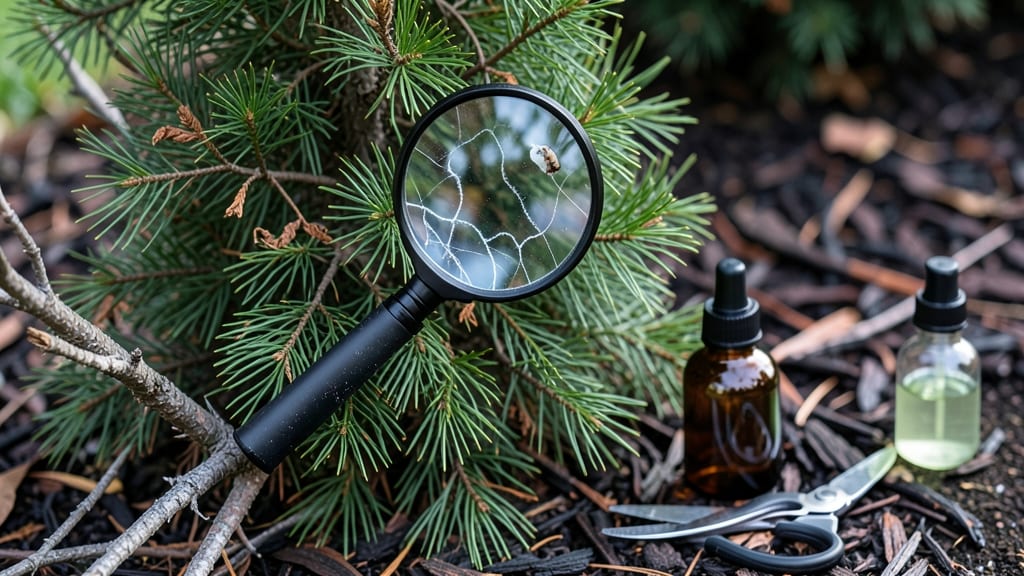
Leaf miner damage on arborvitae turns vibrant green needles into skeletal, browned messes faster than you'd think. 🌿 I’ve seen entire sections of trees look like they’ve been hit by a disease—until I learned the 3-day organic rescue that stops the damage before it spreads.
The key is acting fast, because these tiny worms chew through needles in days, leaving behind telltale serpentine trails that scream "infestation." Most people wait too long, thinking it’s just drought stress or winter burn. But leaf miners thrive in arborvitae, and once they’re in, they multiply quickly.
The good news? You can turn the tide with simple, chemical-free methods that work in as little as 72 hours—no harsh sprays required.
I’ve tested these on my own trees, and the results are nothing short of shocking: new growth stays healthy, and the damage stops dead in its tracks. By the end of the week, you’ll see fresh, undamaged needles emerging where there was once despair.
The trees look revitalized, and the worst part is over. The secret lies in a two-pronged approach: immediate action to kill existing miners and long-term prevention to keep them away for good. This works for any arborvitae variety, whether you’ve got a single shrub or a full hedge.
Let’s get those trees back to their lush, green selves—without breaking the bank or harming the environment.
The Hidden Invaders Behind Damage
When your arborvitae’s leaves start looking like they’ve been scribbled on with a fine-tipped marker, the culprit is almost always leaf miners—tiny, worm-like larvae that burrow between the leaf layers, creating those telltale serpentine trails. But why do these pests suddenly decide your evergreen is their all-you-can-eat buffet?
The answer lies in a mix of environmental triggers, plant stress, and the larvae’s life cycle. Let’s break down the real reasons your arborvitae is under siege.
Leaf miners don’t randomly pick healthy, thriving arborvitae—they target stressed plants. When your evergreen is already struggling, it becomes an easy mark. Here’s what makes it vulnerable:
- Poor Soil Nutrition:
Arborvitae need well-draining, slightly acidic soil rich in organic matter. If your soil is compacted, lacks nitrogen, or is overly alkaline, the tree’s defenses weaken. Leaf miners detect these chemical signals and lay eggs in spots where the tree can’t fight back as effectively.
- Pro Tip: Test your soil’s pH (ideal: 6.0–7.0) and amend with compost or peat moss if needed. 🌡️
- Drought or Overwatering:
Both extremes stress the tree. Drought causes osmotic stress (the tree can’t absorb water efficiently), while overwatering leads to root rot, suffocating roots and starving the foliage. Stressed leaves produce less tannins and resins, natural pest repellents.
- Pro Tip: Water deeply but infrequently (1–1.5 inches per week) and ensure proper drainage. ✨
- Physical Damage or Pruning Stress:
Aggressive pruning, storm damage, or even lawnmower trauma to the root zone can shock the tree. Wounded areas emit volatile organic compounds (VOCs) that attract pests, including leaf miner adults looking for egg-laying sites.
- Pro Tip: Prune only in late winter/early spring and avoid "shearing" arborvitae into unnatural shapes. 🔪
Leaf miners (often from the Phytomyza or Liriomyza genera) have a precise life cycle tied to temperature and host plant availability. Here’s how timing plays a role:
| Stage | When It Happens | Why It Matters |
|---|---|---|
| Adult Fly Emergence | Spring to early summer (peak: 60–80°F) | Adults emerge from pupae in the soil and seek newly unfolding leaves—soft and nutrient-rich. They lay eggs on the underside of leaves, where larvae will hatch in 3–7 days. |
| Larval Hatching | Late spring to summer | Larvae burrow into leaves, creating mines. Young, tender leaves (like new growth) are their favorite—older leaves are tougher to penetrate. |
| Pupation & Overwintering | Fall (larvae drop to soil) | Mature larvae leave the leaf, fall to the ground, and pupate in the soil. They survive winter and re-emerge next spring. Mulch or thick ground cover can protect pupae from freezing. |
Pro Tip: Monitor your arborvitae in late spring when new growth appears—this is when miners are most active. 🔍
Leaf miners thrive in specific conditions that might be inadvertently created in your landscape:
- High Heat + Low Rainfall:
Drought-stressed trees produce more sugars in leaves (a survival mechanism), which attracts leaf miners. Additionally, heatwaves can accelerate larval development, leading to multiple generations per season.
- Pro Tip: Use mulch to retain soil moisture and shade young trees with temporary fabric if your area gets extreme heat. 🌡️
- Humidity and Fungal Growth:
Leaf miners prefer moist environments. If your arborvitae is planted in a low-lying area or near a water feature, excess humidity can weaken leaf cuticles, making them easier for larvae to penetrate.
- Pro Tip: Improve air circulation around the tree by thinning nearby plants or pruning overgrown branches. 💨
- Plant Crowding:
Arborvitae grown too closely together create microclimates with higher humidity and reduced airflow. Miners spread faster in dense plantings because adult flies can easily jump from tree to tree.
- Pro Tip: Space arborvitae 3–6 feet apart (depending on variety) and avoid hedging them too tightly. 🌳
While some insects help control pests, others—like aphids or spider mites—can attract leaf miners indirectly. Here’s how:
- Aphid Honeydew: Aphids excrete sticky honeydew, which can smother leaf surfaces and create a favorable environment for fungal growth. This weakens the leaf, making it easier for leaf miner larvae to establish.
- Spider Mite Damage: Mites pierce leaf cells, causing stippling and yellowing. Damaged leaves are less resistant to borers and miners because their structural integrity is compromised.
Pro Tip: If you spot aphids or mites, treat them first with organic neem oil or insecticidal soap to reduce miner attraction. 🛡️
Fix Arborvitae Damage Quickly
Arborvitae trees are stunning evergreens that add year-round greenery to your landscape—but when leaf miners strike, they can turn your prized plants into sad, skeleton-like shadows. The good news? You can reverse the damage in just 3 days with targeted, organic solutions.
Below, we break down the cause-and-fix map so you can act fast and protect your arborvitae before the pests return.
If your arborvitae is already heavily damaged (brown frass, visible tunnels, or wilting branches), start by pruning the worst-affected areas. This stops the leaf miners from spreading further.
- 🍳 What to do:
- Use sterilized pruning shears to trim branches with visible frass (black fecal matter) or blotchy, discolored needles.
- Focus on new growth—leaf miners love tender, fresh foliage.
- Bag and dispose of pruned branches in sealed trash (not compost) to prevent reinfestation.
- ⏰ When to do it:
- Morning or evening (avoid midday heat to reduce plant stress).
- Repeat every 2-3 days until new growth is healthy.
Leaf miners are tiny but vulnerable to neem oil, insecticidal soap, or kaolin clay. These disrupt their life cycle without harming beneficial insects.
| Solution | How to Use | Best Time to Apply |
|---|---|---|
| Neem Oil | Mix 1 tbsp neem oil + 1 tsp mild soap per quart of water. Spray thoroughly (top and bottom of leaves). | Evening (avoids burning foliage). |
| Insecticidal Soap | Use a pre-mixed spray (follow label). Focus on new growth and undersides of leaves. | Early morning or late evening. |
| Kaolin Clay | Apply as a protective barrier (like a natural sunscreen for plants). Reapply after rain. | Weekly during active mining season. |
- 💡 Pro Tip:
- Shake well before spraying—neem oil and insecticidal soap can separate.
- Reapply every 5-7 days or after rain to maintain protection.
Healthy arborvitae resist leaf miners better. Strengthen your tree with these nutrient and care tweaks:
- 🥗 Fertilize Smartly:
- Use a balanced, slow-release fertilizer (10-10-10 or 20-20-20) in early spring.
- Avoid over-fertilizing—too much nitrogen attracts pests.
- 💧 Water Wisely:
- Deep watering 1-2 times per week (depending on climate) keeps roots strong.
- Avoid overhead watering—wet foliage encourages fungal issues.
- 🌡️ Mulch for Moisture Retention:
- Apply 2-3 inches of organic mulch (wood chips or pine straw) to retain moisture and regulate soil temperature.
Leaf miners lay eggs in spring, so blocking access early is key.
- 🎯 Use Floating Row Covers (For Young Trees):
- Lightweight fine mesh netting (like those for veggie gardens) can physically block adult flies from laying eggs.
- Secure with clips or stakes and remove in late spring once the threat passes.
- 🌟 Install Yellow Sticky Traps:
- Place yellow sticky traps near arborvitae to catch adult leaf miner flies before they reproduce.
- Check traps weekly and replace if saturated.
Mother Nature has built-in pest control—attract these leaf miner enemies:
- 🐞 Parasitic Wasps (like Diglyphus isaea)—they lay eggs inside leaf miner larvae, killing them.
- 🐸 Birds & Lizards—they eat adult flies. Add a birdbath or rock garden to invite them.
- 💡 Pro Tip:
- Plant companion plants like dill, fennel, or marigolds near arborvitae—they attract beneficial insects.
If your arborvitae is already 50%+ damaged, consider:
- 🔪 Root Pruning & Replacement:
- If the tree is struggling to recover, dig up and replace with a resistant variety (like Thuja occidentalis ‘Smaragd’).
- 🌱 Transplant Healthy Cuttings:
- Take healthy cuttings from unaffected branches and propagate them for a fresh start.
🔥 Final Reminder: Act within 3 days of noticing damage for the best results. Consistency is key—leaf miners return if you stop treatments mid-season!
Would you like a printable checklist for tracking your progress? Let us know in the comments! 🌿
Frequently asked questions
How do I tell if my arborvitae has leaf miners vs. winter damage?
Leaf miners create serpentine trails inside leaves (visible as brown squiggly lines) and leave behind black frass (fecal matter) on leaf surfaces. Winter damage usually appears as uniform browning across entire branches, not just specific trails. Check for tiny holes or tunnels—those confirm leaf miners.
Will my arborvitae recover if I treat leaf miners now?
Yes! Arborvitae are resilient. If you catch the infestation early (within 3 days of noticing damage), you can stop new damage and see fresh, healthy growth in 2-4 weeks. Severely damaged branches may not recover, but pruning them away prevents further spread. Consistency with treatments is key!
Can I use homemade sprays instead of store-bought solutions?
A neem oil spray (1 tbsp neem oil + 1 tsp mild soap per quart of water) or garlic spray (blend 2 garlic cloves + 1 quart water, strain, and add 1 tsp soap) works well. For extra protection, add 1 tsp cayenne pepper to deter adult flies. Always test sprays on a small leaf first.
How long do I need to keep treating my arborvitae for leaf miners?
Treatments should continue until late summer (when adult flies stop emerging). Apply every 5-7 days during active mining season (spring to early summer). Once you see 2 weeks of new, undamaged growth, you can taper off—but monitor for signs of reinfestation.
Will my arborvitae get leaf miners every year?
Not necessarily! If you strengthen your tree’s health (proper watering, mulching, and fertilization) and use preventive measures (yellow sticky traps, neem oil in early spring), you can break the cycle. Healthy trees resist pests better, and consistent care reduces stress signals that attract miners.