
Pruning
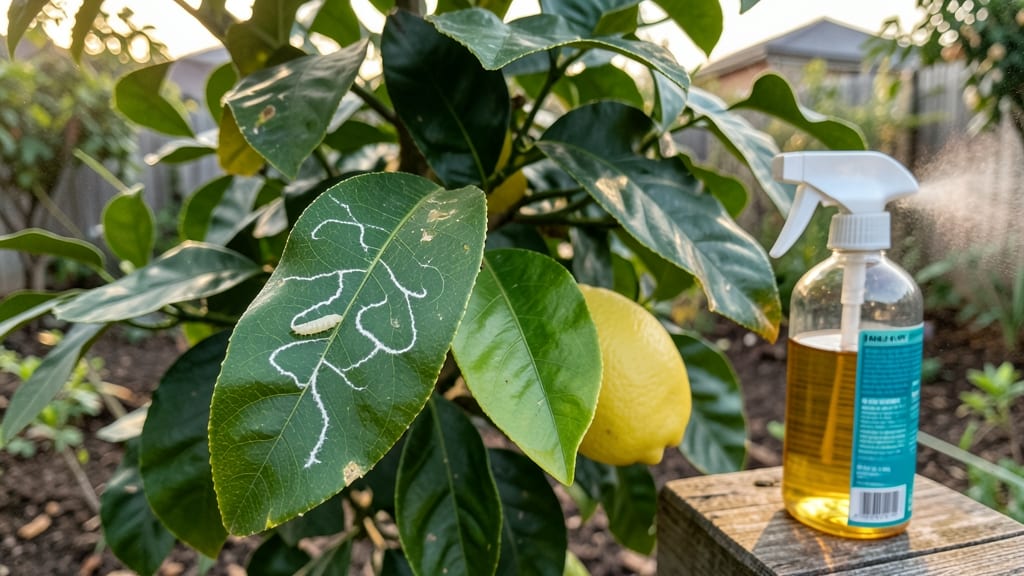
Targeted pruning saved my lemon tree from skeletal branches and sad, crinkled leaves. 🌿 The serpentine mines of leaf miners might look like nature's artwork, but they're actually a slow-motion death sentence for foliage.
What starts as a few pale trails quickly turns into a tree that struggles to photosynthesize—and that means fewer lemons and weaker growth.
Here's the game-changer: prune only the damaged leaves, not the whole branch. I learned this the hard way after hacking back too much and stressing the tree further. Use clean, sharp pruners to snip just the affected areas, and you'll see fresh green growth within 2-3 weeks.
The key is timing—do this in late winter or early spring before new growth begins.
Combine pruning with neem oil sprays every 7-10 days during infestation season, and you'll break the leaf miner cycle. The tree recovers its vibrant foliage, resumes normal lemon production, and becomes resilient against future attacks.
Think of it as a two-step rescue: first cut out the damage, then smother the pests.
This method works for Meyer lemons, Eureka varieties, and even other citrus trees facing the same problem. The secret? Stay vigilant—check leaves weekly during warm months, and you'll catch infestations before they spiral. Your tree will thank you with glossy, healthy leaves and a bumper crop of lemons.
The Hidden Culprits Behind Damage
Leaf miners in lemon trees aren’t just a random nuisance—they’re the result of specific environmental triggers and biological behaviors. Understanding why these tiny pests target your tree is the first step to stopping them.
Below, we break down the science behind their destructive habits and how they exploit your lemon tree’s weaknesses.
Leaf miners aren’t actually "mining" leaves for fun—they’re larvae (the juvenile stage of flies, moths, or beetles) tunneling through foliage to survive. Here’s how it works:
- Egg-laying strategy: Adult females deposit eggs on the underside of leaves, where they’re hidden from predators. The larvae hatch and immediately burrow into the leaf tissue, creating serpentine trails as they feed on chloroplast-rich cells.
- Nutrient hunger: Young larvae prioritize tender, newly emerged leaves because they’re packed with nutrients. This is why you’ll often see damage on younger growth first.
- Silken safety: Some species spin silk as they move, which protects them from natural enemies like parasitic wasps or birds. This makes them harder to spot—and eliminate—until the damage is visible.
💡 Pro Tip: If you notice tiny white dots or irregular trails on the upper leaf surface, check the underside for eggs or newly hatched larvae. Early detection = fewer destroyed leaves!
Leaf miners thrive when conditions align perfectly for their life cycle. These pests are opportunistic, meaning they exploit weaknesses in your tree’s health and surroundings:
| Factor | Why It Attracts Miners | How to Adjust |
|---|---|---|
| 🌞 Overhead Watering | Moisture on leaves creates a perfect egg-laying surface for adult flies. Excess water also weakens leaf tissue, making it easier for larvae to tunnel. | Use drip irrigation or water at the base of the tree, avoiding foliage. |
| 🍃 Nitrogen-Rich Fertilizer Overuse | Too much nitrogen = soft, fast-growing leaves that larvae adore. These leaves are high in water content and easy to penetrate. | Balance fertilizer with potassium (e.g., 6-6-6 ratio) to toughen leaves. |
| 🌡️ Warm, Humid Microclimates | Leaf miners love temperatures between 70–85°F (21–29°C) and high humidity. These conditions speed up their development from egg to adult in 2–3 weeks. | Improve airflow with pruning and avoid dense mulch near the trunk. |
| 🌿 Weak or Stressed Trees | Drought, root rot, or poor drainage stress the tree, making it produce low-quality leaves that miners target first. | Check for yellowing leaves or wilting branches—these are red flags. |
✨ Key Insight: Leaf miners don’t randomly pick trees—they choose weak hosts. A healthy lemon tree with thick, resilient leaves is far less appealing to them.
Adult leaf miners (often fly-like or moth-like) are the unsung heroes of infestations. Their behavior directly fuels the cycle:
- Rapid reproduction: A single female can lay 50–100 eggs in her lifetime, and larvae mature in 2–4 weeks under ideal conditions. This means one generation can become a full-blown outbreak in a month.
- Wind and water dispersal: Adults are weak fliers but hitch rides on wind currents or splashing water from irrigation. This is why infestations often start in groups of trees.
- Host preference: Some species, like the Citrus Leafminer (Phyllocnistis citrella), are specialized for citrus. They’ll ignore other plants, making lemon trees a prime target.
🔥 Warning Sign: If you see tiny, translucent flies hovering near leaves or new damage appearing in clusters, adult miners are likely active. Act fast—their eggs hatch within 3–7 days.
Now that you know why leaf miners attack your lemon tree, the next step is preventing and treating the problem before it spirals. The good news? Targeted pruning and a few smart habits can dramatically reduce their impact.
How to Fix Leaf Miner Damage
Leaf miners may seem like a daunting foe, but with the right approach, you can revive your lemon tree and keep future infestations at bay. The key is acting quickly—once those telltale serpentine trails appear, it’s time to roll up your sleeves and take action.
Below, we’ve broken down cause-specific solutions, from immediate fixes to long-term prevention, so you can restore your tree’s health without losing your sanity (or your lemons!).
If you spot leaves with white or brown squiggly lines (a sure sign of leaf miners), don’t wait—prune them out ASAP. These leaves are already compromised and can’t recover, but more importantly, they’re breeding grounds for more miners.
How to do it right: 🍳 Gather tools: Wear gloves and grab pruning shears or scissors (sterilized with rubbing alcohol). 👨🍳 Cut, don’t tear: Snip the entire leaf—including the stem—to prevent larvae from crawling onto new leaves. 🥘 Dispose properly: Seal infested leaves in a plastic bag and toss them in the trash (not compost!). Larvae can survive in compost and reinfest your tree.
Pro tip: 💡 If the damage is heavy, remove up to 30% of the tree’s foliage—it’s better than letting miners spread. Your tree will thank you with fresh, healthy growth!
Leaf miners start as tiny eggs laid on the underside of leaves. If you catch them early, you can smother or drown them before they hatch.
3 effective methods:
- Neem Oil Spray (Organic & Safe)
- Mix 1 tsp neem oil + 1 tsp mild soap + 1 quart water in a spray bottle.
- Spray both sides of leaves (focus on new growth) every 5–7 days for 2–3 weeks.
- Why it works: Disrupts larvae development and deters future egg-laying.
- Insecticidal Soap (Fast Knockdown)
- Use a store-bought insecticidal soap (like Safer Brand) and spray directly on mines (the squiggly trails).
- Reapply after rain or every 3–5 days until no new mines appear.
- Horticultural Oil (For Heavy Infestations)
- Apply dormant oil (like JMS Stylet Oil) early in the morning or late afternoon to avoid burning leaves.
- Cover the entire tree, including stems and undersides of leaves.
⚠️ Warning: Avoid chemical pesticides like malathion—they can harm bees and beneficial insects. Stick to organic or targeted sprays for safety.
A healthy tree is less appealing to leaf miners. Focus on nutrients, hydration, and habitat to make your lemon tree less of a buffet.
| Weakness | Fix It With… | How Often |
|---|---|---|
| Poor soil nutrition | Balanced fertilizer (10-10-10 or citrus-specific) | Every 2–3 months in growing season |
| Underwatering | Deep watering (1–2 inches per week) | Check soil moisture weekly |
| Overcrowded branches | Prune for airflow (remove dense growth) | Once a year (late winter) |
| Weak new growth | Epsom salt spray (1 tbsp per gallon) | Monthly during spring/summer |
Pro tip: 🌿 Plant companion flowers like marigolds or basil near your lemon tree—their strong scents repel leaf miners naturally.
Leaf miners love warm, humid conditions, so vigilance is your best tool.
Monthly checklist:
- Inspect leaves (especially new growth) for tiny eggs or fresh mines.
- Shake branches over a white sheet—adult miners will fall out (if you see them, treat immediately).
- Check soil moisture—overwatering = miner paradise.
- Apply neem oil preventatively every 4–6 weeks during peak miner season (spring/summer).
🔥 Emergency move: If your tree is severely infested, consider covering it with a fine mesh net (like fruit tree netting) to block adult flies from laying eggs.
Reviving a leaf-miner-stricken lemon tree takes time and consistency, but with these steps, you’ll see fresh, vibrant foliage in just a few weeks.
The key is acting fast, staying consistent, and giving your tree the care it needs—soon, you’ll be back to enjoying juicy lemons and lush green leaves without a single squiggly trail in sight!
Need a quick recap? ✅ Remove infested leaves (bag and trash them!) ✅ Spray neem oil or insecticidal soap (repeat weekly) ✅ Fertilize & water properly (strong trees = fewer pests) ✅ Monitor monthly (catch new mines early)
Frequently asked questions
How do I know if my lemon tree has leaf miners?
Look for white or brown squiggly trails between leaf veins—this is the telltale sign of leaf miner larvae feeding. Check the underside of leaves for tiny eggs (white dots) or newly hatched larvae. Heavy infestations cause leaves to yellow, brown, and eventually drop.
Can I save my lemon tree if it's already heavily damaged?
Yes! Start by pruning out all infested leaves (up to 30% of foliage if needed) and applying neem oil spray every 5-7 days for 2-3 weeks. Focus on new growth—this is where miners target first. Within 4-6 weeks, you should see fresh, healthy leaves emerging.
Will chemical pesticides work better than organic solutions?
Chemicals like malathion may kill miners faster, but they harm beneficial insects (like bees and ladybugs) and can leave residues on edible fruit. Organic solutions like neem oil or insecticidal soap are safer for citrus trees while still being effective when applied consistently.
How often should I check my lemon tree for leaf miners?
Inspect leaves weekly during spring and summer—this is peak miner season. Pay special attention to new growth, as miners prefer tender leaves. If you spot fresh damage, treat immediately with neem oil or insecticidal soap to prevent spread.