
Leaf Blower
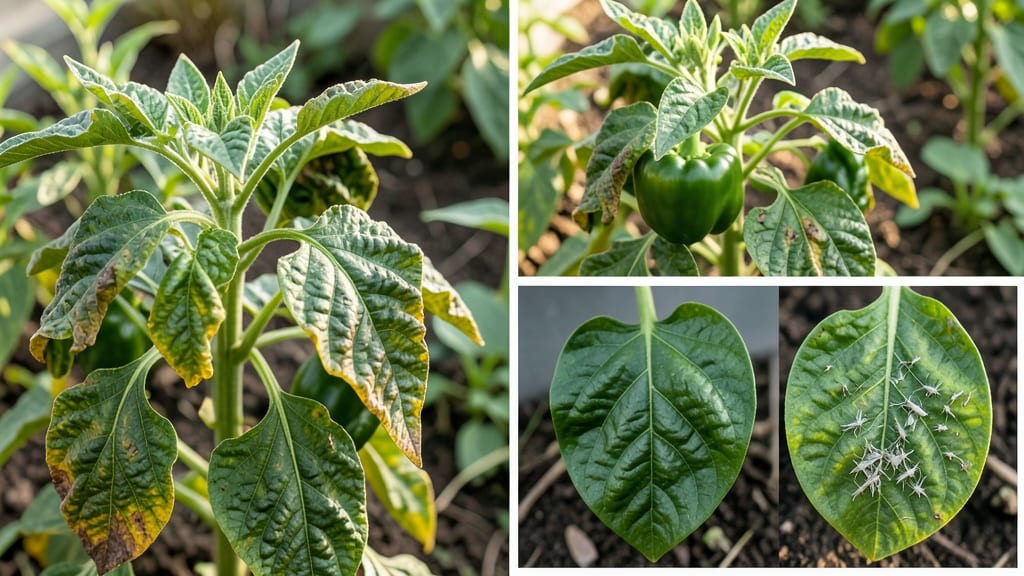
Your peppers just got the dreaded leaf curl virus, and I’ve got the organic cure that actually works. 🌱 After watching my prized jalapeños crumple last summer, I learned the hard way that chemical sprays don’t cut it—you need a multi-step approach to revive plants and stop the spread.
The virus spreads through aphids and contaminated tools, so the first step is isolating infected plants before it ruins your whole harvest. I’ll show you how to prune, treat with neem oil, and boost plant resilience so your peppers bounce back stronger than ever.
By the end, you’ll have a spotless revival plan that keeps your garden thriving without harsh chemicals. No more wilted leaves or stunted growth—just healthy, productive peppers ready for your kitchen. This works for both backyard gardens and container grows. Let’s get those plants back on track!
How Viruses Invade Pepper Plants
Understanding why pepper leaf curl virus (PLCV) strikes requires peeling back the layers of plant pathology, vector biology, and environmental triggers. This insidious disease doesn’t just appear out of nowhere—it’s the result of a perfect storm of biological interactions and agricultural practices.
Here’s a breakdown of the key culprits and their roles in spreading this devastating condition.
Whiteflies (Bemisia tabaci), particularly the silverleaf whitefly biotype, are the primary vectors of PLCV. These tiny, sap-sucking insects don’t just feed on pepper plants—they inject the virus into the plant’s vascular system while feeding. Here’s how it works:
- Transmission Mechanism: When a whitefly feeds on an infected plant, it picks up the virus particles in its saliva.
The next time it feeds on a healthy pepper, it sprays viral RNA into the plant’s phloem (the plant’s "highway" for nutrients and signals). - Non-Persistent Virus: PLCV is classified as a non-persistent virus, meaning whiteflies can transmit it within minutes of acquiring it.
This rapid spread makes early detection critical. - Whitefly Hotspots: Greenhouses, tropical climates, and regions with high humidity (70–90% relative humidity) create ideal breeding conditions for whiteflies, accelerating virus spread.
Actionable Insight: 🔍 Monitor for whitefly infestations before symptoms appear. Use yellow sticky traps to track populations and act fast if numbers spike.
PLCV thrives when pepper plants are stressed or compromised. A healthy plant’s immune system can resist or slow viral replication, but common stressors create entry points for the virus:
- Nutritional Deficiencies: Low potassium (K) or phosphorus (P) weakens cell walls, making plants more susceptible to viral invasion.
Symptoms like yellowing leaves (chlorosis) often signal deficiency before PLCV symptoms emerge. - Water Stress: Both overwatering (leading to root rot) and drought stress disrupt the plant’s ability to produce protective proteins.
PLCV exploits these disruptions to hijack cellular machinery. - Physical Damage: Pruning wounds, hail, or pest bites (e.g., from aphids) create open doors for whiteflies to inject the virus. Always use sterilized tools and avoid rough handling.
Actionable Insight: 🌿 Conduct a soil test before planting and supplement with compost tea or seaweed extract to boost plant resilience. Mulch to retain moisture and reduce stress.
PLCV spreads most aggressively in warm, humid conditions, but seasonal patterns and microclimates play a role:
- Temperature Sweet Spot: The virus replicates fastest at 77–86°F (25–30°C).
Cooler nights slow its progression, while heatwaves can explode outbreaks. - Humidity and Rainfall: High humidity (above 80%) keeps whitefly populations thriving, while heavy rains can wash away natural predators (like ladybugs) that might otherwise control them. - Greenhouse Environments: Enclosed spaces trap heat and humidity, creating a virus incubator.
Poor ventilation exacerbates the problem.
Actionable Insight: 🌡️ Use shade cloth in peak summer to lower leaf temperatures and dehumidifiers in greenhouses. Plant in well-ventilated areas or use fan-and-clip systems to improve air circulation.
Even if your garden is pristine, external contamination can introduce PLCV:
- Infected Plant Material: Grafted seedlings, cuttings, or seeds from infected plants carry the virus.
Symptoms may not appear for weeks, giving the virus time to spread undetected. - Shared Tools: Pruners, gloves, or even contaminated water from rinsing infected plants can transfer viral particles to healthy ones. - Windborne Spread: While less common, wind can carry whiteflies (or virus-laden debris) over short distances, especially in open fields.
Actionable Insight: 🧼 Disinfect tools with 70% alcohol or a bleach solution (1:10 ratio) between uses. Purchase seeds from certified disease-free suppliers and avoid propagating from suspicious plants.
Repeatedly planting peppers (or related plants like tomatoes and eggplants) in the same soil without rotation leaves behind:
- Residual virus particles in plant debris.
- Whitefly eggs or pupae overwintering in soil.
- Weakened soil microbiome, reducing natural pest control.
Actionable Insight: 🌱 Rotate crops with non-host plants like beans, carrots, or grasses. Solarize soil in late summer (black plastic + sun for 4–6 weeks) to kill lingering pathogens and pests.
PLCV spreads exponentially—what starts as one infected plant can become an epidemic in weeks if unchecked.
Common delays include: - Misdiagnosis: Confusing PLCV symptoms (cupped leaves, stunted growth) with nutrient deficiencies or aphid damage. - Ignoring Asymptomatic Carriers: Some plants show no visible symptoms but still harbor and spread the virus. - Over-Reliance on Chemical Pesticides: While pesticides kill whiteflies, they can also disrupt natural predators, leading to pesticide-resistant super-whiteflies.
Actionable Insight: 🔎 Test for PLCV using ELISA kits (available from agricultural extensions) if symptoms appear. Remove and destroy infected plants immediately (do not compost!).
Revitalize Your Plants Naturally
If your peppers are showing signs of leaf curl, stunted growth, or distorted foliage, don’t despair—there are organic, actionable steps to help your plants bounce back. Below, we’ve mapped out targeted solutions based on the most common causes of leaf curl, along with preventive tips to keep your garden thriving.
These methods are practical, budget-friendly, and designed to work without harsh chemicals.
If the issue is pepper leaf curl virus (PLCV), the first step is to contain it to prevent spread. Viruses can’t be cured, but you can manage symptoms and protect healthy plants.
🔥 Remove Infected Plants Immediately
- 🔪 Snip off severely curled or yellowed leaves with sterilized pruners (dip in rubbing alcohol between cuts).
- 🗑️ Dispose of infected plants in sealed bags—do not compost them.
- 🚫 Quarantine new plants for 2–3 weeks before introducing them to your garden.
🛡️ Strengthen Remaining Plants
- 💧 Boost hydration: Water deeply at the base (avoid wetting leaves) to reduce stress.
- 🌿 Apply neem oil spray (1 tsp neem oil + 1 tsp mild soap per quart of water) weekly to repel aphids and whiteflies, which spread the virus.
- 🍃 Use reflective mulch (aluminum foil or silver plastic) around plants to deter insect vectors.
🌡️ Prevent Future Outbreaks
- 🌱 Choose resistant varieties: Opt for pepper cultivars like ‘Aristotle’ or ‘Perennial’ that show tolerance to PLCV.
- 🌿 Rotate crops—avoid planting peppers, tomatoes, or eggplants in the same spot yearly.
- 🐝 Encourage beneficial insects: Ladybugs and lacewings prey on virus-spreading pests.
Plant dill, fennel, or marigolds nearby to attract them.
If curl is due to nutrient imbalances (like nitrogen or magnesium deficiency), a quick soil boost can revive your peppers.
👨🍳 DIY Fertilizer Fixes - 🌿 For nitrogen deficiency (pale, curling leaves): - Mix 1 tbsp fish emulsion or 1 cup compost tea per gallon of water.
Water plants at soil level. - 💡 Pro tip: Top-dress with well-aged manure or coffee grounds for a slow-release nitrogen boost. - 🍃 For magnesium deficiency (yellow between leaf veins): - Sprinkle Epsom salt (magnesium sulfate) around the base (1 tbsp per plant).
Water thoroughly. - ✨ Bonus: This also improves flower and fruit production.
🌡️ Soil Health Check
- 📊 Test your soil (DIY kits from garden centers work). Aim for a pH of 6.0–6.8 for peppers.
- 🔄 Amend heavy clay or sandy soil with compost or coconut coir to improve nutrient retention.
Extreme heat or inconsistent watering can cause leaf curl and wilting. Adjust your care routine to restore balance.
💧 Watering Like a Pro
- 🌧️ Water deeply 1–2 times per week (depending on climate) rather than shallow daily doses.
- ⏰ Best time to water: Early morning to reduce evaporation and fungal risks.
- 🌿 Use mulch (straw or shredded leaves) to retain moisture and cool roots.
🌡️ Beat the Heat
- 🌳 Provide shade cloth (30–50% coverage) during peak sun (10 AM–4 PM).
- 🍃 Mist leaves lightly in the early morning to prevent heat stress (avoid evening misting to deter disease).
- 🌱 Move potted peppers to a sheltered spot if temperatures exceed 90°F (32°C).
Aphids, whiteflies, and spider mites love stressed plants and can worsen curl symptoms. Act fast to protect your peppers.
🕷️ Natural Pest Control Methods
- 🍎 Spray with insecticidal soap (1 tbsp castile soap + 1 quart water) directly on pests.
- 🌿 Introduce predator insects: Release lacewings or ladybugs (available at garden centers).
- 🌱 Plant companion crops: Basil, garlic, or onions repel pests naturally.
🌡️ Preventative Sprays - 🌿 Neem oil blend: Mix 1 tsp neem oil + 1 tsp vegetable oil + 1 tsp soap per quart of water.
Spray every 7–10 days. - 🍃 Garlic spray: Blend 1 chopped garlic bulb + 1 quart water**, strain, and spray on leaves (reapply weekly).
Remember: Early action is key! The sooner you address the root cause—whether it’s a virus, nutrients, pests, or stress—the better your peppers will recover. With these organic fixes, you’ll be on your way to a lush, productive garden in no time. 🌱✨
Frequently asked questions
Can pepper leaf curl virus spread to other plants in my garden?
Absolutely—this virus spreads rapidly through whiteflies and contaminated tools. Once infected, remove plants immediately (don't compost them) and quarantine new additions for 2-3 weeks. Avoid planting peppers, tomatoes, or eggplants in the same spot next season to break the cycle.
Will neem oil really help if my peppers already have leaf curl?
Neem oil won't cure the virus, but it's your best organic defense against whiteflies and aphids—the insects that spread it. Mix 1 tsp neem oil + 1 tsp mild soap per quart of water and spray weekly. It also strengthens plant resilience by boosting natural defenses.
How can I tell if my peppers have leaf curl virus vs. just heat stress?
Leaf curl virus causes permanent leaf distortion (cupping that doesn't flatten when watered), while heat stress shows temporary wilting that recovers at night. Check for whiteflies on undersides of leaves—if present, it's likely viral. Test with a soil pH check too (peppers need 6.0-6.8).
Are there pepper varieties that resist this virus?
Yes! Look for PLCV-tolerant cultivars like 'Aristotle' or 'Perennial' varieties. These won't get infected, but they won't cure existing cases. Pair them with reflective mulch (aluminum foil) to deter whiteflies—this combo works best for prevention.
Can I still harvest peppers from infected plants?
Harvest only mature peppers from infected plants, but avoid eating leaves or stems. The virus doesn't affect fruit quality, but don't compost plant debris—seal it in bags. For next season, solarize soil (cover with black plastic for 4-6 weeks) to kill lingering pathogens.