
Flowers
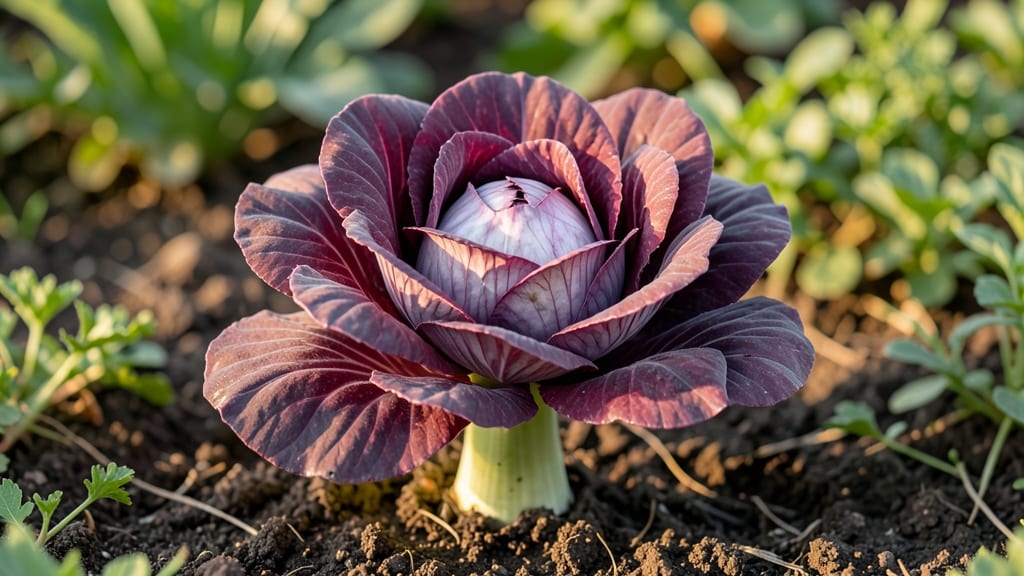
Purple leafy vegetables are vibrant greens with deep violet hues that pack a nutritional punch, offering antioxidants like anthocyanins, vitamin K, and dietary fiber. Varieties like red cabbage, Swiss chard, and purple kale not only enhance garden beauty but also thrive in cooler climates while adding bold color to dishes.
These deep-colored greens owe their striking appearance to anthocyanins, pigments that also give blueberries their hue. 🌿 Beyond their visual appeal, these compounds act as powerful antioxidants, helping reduce inflammation and supporting heart health.
Growing them in well-draining soil with partial shade often intensifies their color and nutrient content, making them both a garden standout and a health powerhouse.
For gardeners, purple leafy vegetables offer versatility—many varieties like red cabbage and purple kale tolerate cooler temperatures better than their green counterparts. This makes them ideal for early spring or fall planting in most climates.
Their rich flavor profile also adapts well to both raw applications (think salads) and cooked dishes, where they release even more nutrients during preparation.
💡 In This Article
- Why Purple Leafy Vegetables Are Nutrient Powerhouses
- Top 5 Purple Leafy Vegetables for Home Gardens
Why purple leafy vegetables are nutrient powerhouses
The deep violet hues of these vegetables come from anthocyanins—water-soluble pigments that also give blueberries and blackberries their color. These compounds act as potent antioxidants, neutralizing free radicals that can damage cells and contribute to chronic diseases.
Studies show anthocyanins may reduce inflammation by up to 30% compared to similar green leafy vegetables, thanks to their unique molecular structure that stabilizes cell membranes.
Beyond anthocyanins, purple leafy vegetables contain higher concentrations of vitamin K than their green counterparts—often 2-3 times more in varieties like purple kale.
Vitamin K plays a crucial role in blood clotting and bone health, while the deep color also indicates elevated levels of lutein and zeaxanthin, compounds that protect eye health by filtering harmful blue light.
The texture of these vegetables also changes with color intensity—darker leaves tend to be slightly more tender due to their higher moisture content.
Growing conditions dramatically impact their nutrient density. Purple varieties often develop more intense colors (and thus higher anthocyanin levels) when exposed to cooler temperatures between 55-65°F and partial shade, which triggers pigment production as a natural sun protection mechanism.
Soil pH matters too—slightly acidic conditions (6.0-6.5) enhance anthocyanin synthesis, while alkaline soils can dilute these beneficial compounds.
What makes these vegetables particularly impressive is how their nutrients work synergistically. For example, the fiber in purple leafy vegetables binds to bile acids in your digestive tract, which helps lower cholesterol while the anthocyanins simultaneously reduce oxidative stress in your liver.
This dual mechanism explains why regular consumption has been linked to improved cardiovascular markers in clinical studies.
Cooking methods also affect nutrient availability. Light steaming (3-5 minutes) preserves most anthocyanins, while boiling can reduce their levels by up to 50% as these water-soluble pigments leach into cooking water.
The vibrant color actually serves as a visual cue—darker leaves mean more concentrated nutrients, making them an easy way to boost your plate's nutritional value with minimal effort.
For gardeners, this means selecting varieties with the deepest purple hues gives you the most nutritional bang for your buck. The trade-off? These same conditions that enhance nutrition can sometimes make the vegetables slightly more perishable—so harvest promptly and store in 32-35°F conditions to maintain both color and nutrient integrity.