
Leaf Blower
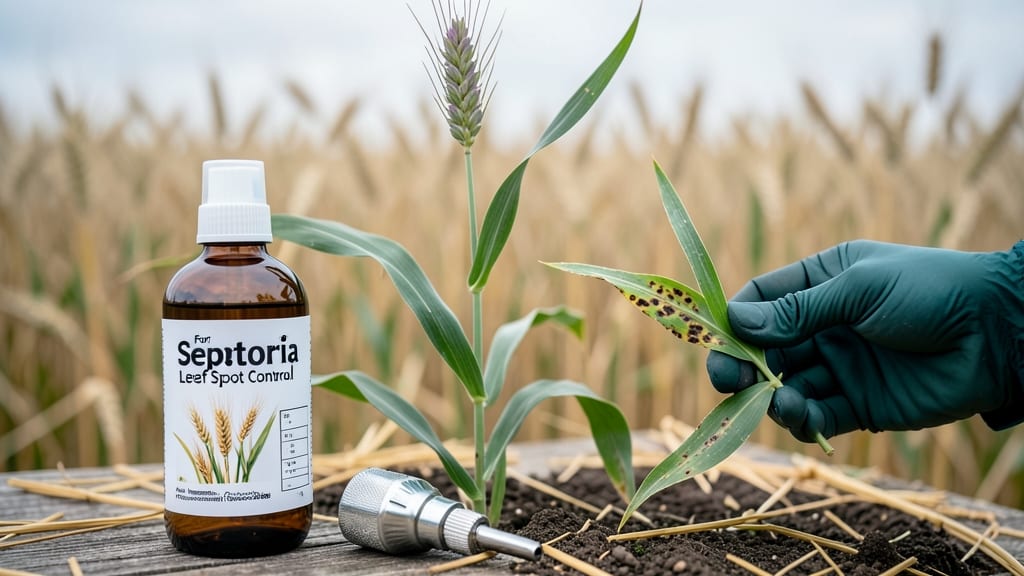
When septoria leaf spot turns your lush tomato leaves into a speckled mess, copper spray is your secret weapon. 🌱 I’ve seen this fungal disease ruin entire harvests—until I discovered how a simple copper fungicide can stop it in its tracks with just a few applications.
The key is acting fast: those dark spots start small but multiply when humidity hangs around. Copper works by creating a protective shield on leaves, preventing spores from taking hold. You’ll need a ready-to-use copper fungicide (like copper sulfate or copper hydroxide) and a sprayer—no fancy equipment, just precision.
Within 7-10 days, you’ll notice new growth staying clean, and existing spots stopping their creep. The plants keep producing, and the copper breaks the fungal cycle before it spreads to other leaves or plants. Works for tomatoes, peppers, cucumbers, and even ornamentals like roses.
Here’s how to apply it without wasting a drop—or missing a spot.
Understanding Fungal Leaf Spot Triggers
Septoria leaf spot, a common fungal disease in crops like wheat, barley, and vegetables, thrives under specific conditions. While it might seem like a mysterious attack on your plants, the truth is that fungal growth is predictable—and understanding its triggers is the first step to prevention.
Here’s why your plants might be falling victim to this stubborn pathogen.
Septoria leaf spot loves moisture—especially when leaves stay wet for long periods. The fungus (Septoria tritici or related species) produces spores that germinate and infect plants when humidity is high and water isn’t evaporating quickly. Here’s how it plays out:
- Overhead irrigation: Watering from above keeps leaves damp for hours, creating the perfect breeding ground. Drip irrigation or soaker hoses reduce this risk by delivering water to the soil instead.
- Frequent rain or poor drainage: Areas with heavy rainfall or compacted soil trap moisture, prolonging leaf wetness. Improve soil aeration with organic matter or raised beds to help water drain faster.
- High humidity (80%+): Even without rain, humid conditions (common in greenhouses or dense plantings) encourage spore release. Use fans or ventilation to circulate air and speed up drying.
Pro Tip: 🌡️ Aim for no more than 6–8 hours of leaf wetness per day. If your morning dew lingers until noon, it’s time to adjust your watering or planting density.
Healthy plants resist fungal infections, but stress invites Septoria leaf spot. When plants are struggling, their natural defenses weaken, making them easy targets. Common stressors include:
- Nutrient deficiencies: Low nitrogen, potassium, or zinc levels stunt growth and reduce resistance. Soil tests can reveal imbalances—address them with targeted fertilizers.
- Physical damage: Hail, strong winds, or even rough handling from harvesting can create entry points for spores. Use row covers or protective netting during storm seasons.
- Overcrowding: Poor air circulation traps moisture and blocks sunlight, slowing plant recovery. Thin out plants to 75% of recommended spacing for better airflow.
- Drought or heat stress: While moisture fuels the fungus, extreme heat or drought weakens plants, making them more susceptible once conditions shift. Mulch heavily to retain soil moisture and protect roots.
Pro Tip: ✨ Hardened plants fight better. Gradually acclimate seedlings to outdoor conditions (a process called hardening off) to boost their resilience before exposing them to fungal risks.
Septoria leaf spot isn’t just airborne—it hides in your tools, soil, and even the seeds you plant. Here’s how it sneaks in:
- Infected seed or planting stock: Spores can survive on seed coatings or in plant debris from previous crops. Buy certified disease-free seeds and rotate crops annually to break the cycle.
- Reused or dirty tools: Pruners, shovels, and even gloves can carry spores from plant to plant. Sanitize tools with a 10% bleach solution (1 part bleach to 9 parts water) between uses.
- Compost or manure from infected plants: While composting kills many pathogens, Septoria spores can survive. Use only well-aged compost (6+ months) or pasteurize it by heating to 140°F (60°C) for 30 minutes.
- Windborne spores from nearby fields: If neighboring farms grow susceptible crops (like wheat or lettuce), spores can hitchhike on the wind. Plant windbreaks or use reflective mulch to reduce exposure.
Pro Tip: 🧹 Clean is key. Disinfect benches, greenhouses, and storage areas at the end of each season to eliminate lingering spores.
Septoria leaf spot doesn’t just need moisture—it thrives in specific temperature ranges. Understanding these can help you time preventive measures:
| Temperature Range | Fungal Activity | Your Action |
|---|---|---|
| 50–68°F (10–20°C) | Moderate spore germination; slow disease spread | Monitor closely; apply fungicides preventively before rain. |
| 68–77°F (20–25°C) | Peak spore production and infection risk | Act fast! Use copper-based fungicides or biological controls like Bacillus subtilis. |
| Above 86°F (30°C) | Spores may die off, but plants become heat-stressed | Focus on stress reduction (shade cloth, mulch) to maintain resistance. |
Pro Tip: 📊 Track microclimates in your garden. Shady or low-lying areas stay cooler and wetter longer—prioritize fungicide applications there first.
How to Treat and Prevent Fungal Spots
Fungal infections like septoria leaf spot can turn your lush garden into a battleground, but with the right approach, you can reclaim control. Below, we break down practical solutions—from immediate fixes to long-term prevention—so your plants stay healthy and vibrant.
🔥 Step 1: Remove Infected Leaves
The first line of defense? Prune aggressively.
- Snip off yellowing, spotted, or dead leaves with clean scissors (sterilize with rubbing alcohol).
- Dispose of them in the trash not the compost—fungus spreads easily.
- Focus on lower leaves first, as they’re often the first to show symptoms.
🍳 Step 2: Apply a Fungicide (The Right Way) Copper-based fungicides are gold standard for septoria leaf spot.
Here’s how to use them effectively: - Choose a liquid copper fungicide (like copper sulfate or copper hydroxide). - Mix according to label instructions—typically 1-2 tbsp per gallon of water. - Spray thoroughly, covering both sides of leaves and stems.
Early morning or late evening applications prevent rapid evaporation. - Reapply every 7-14 days during wet conditions (fungus thrives in moisture).
✨ Pro Tip: For organic gardens, try a baking soda spray (1 tsp baking soda + 1 tsp oil + 1 tsp soap per quart of water). It’s a mild fungicide that works for mild infections.
👨🍳 Step 3: Boost Plant Immunity
A healthy plant fights fungus better. Feed your plants right:
- Fertilize with compost or balanced fertilizer (high nitrogen can weaken plants, so avoid overdoing it).
- Add mulch (2-3 inches) to retain moisture and suppress spores.
- Water at the base (never overhead) to keep leaves dry.
💡 1. Improve Airflow & Spacing
Fungus loves crowded, damp conditions. Fix this by:
- Thinning out plants so air circulates freely.
- Prune branches that rub against each other (creates moisture pockets).
- Avoid overhead irrigation—use drip systems instead.
🎯 2.
Rotate Crops & Clean Up Debris - Don’t plant the same family (e.g., tomatoes, peppers) in the same spot yearly—fungus builds up in soil. - Remove old plant debris after harvest (especially from last year’s crops). - Solarize soil (cover with clear plastic for 4-6 weeks in summer) to kill fungus spores.
🔪 3. Choose Resistant Varieties
Some plants are naturally tougher against septoria:
- Tomatoes: ‘Defiant PhR,’ ‘Mountain Merit,’ ‘Celebrity’
- Wheat/Barley: ‘Robust,’ ‘Clare’ (check seed catalogs for disease-resistant labels).
⏰ 4. Monitor & Act Fast
- Inspect plants weekly, especially after rain.
- Catch spots early—small lesions are easier to treat than full-blown infections.
- Keep a garden journal to track outbreaks and adjust prevention strategies.
| Cause | Immediate Fix | Prevention Tip |
|---|---|---|
| Overwatering | Reduce watering, improve drainage | Use mulch, water at base |
| Poor Airflow | Prune, space plants, use fans | Rotate crops, avoid dense planting |
| Old Debris | Remove all plant waste, sterilize tools | Solarize soil, clean garden tools |
| Weakened Plants | Fertilize, boost immunity | Plant resistant varieties, balanced feeding |
| Rainy Season | Apply copper fungicide every 2 weeks | Choose elevated beds, use row covers |
Final Thought: Septoria leaf spot doesn’t have to be a death sentence—prevention + quick action keep your garden thriving. Start with copper sprays, better airflow, and smart cleanup, and you’ll see a difference in weeks! 🌿💪
Frequently asked questions about fungal spot control
Can I use copper fungicide on edible plants like tomatoes and peppers?
Yes, copper-based fungicides are safe for edible plants when used correctly. Follow label instructions for proper dilution and application timing. Wait 24-48 hours after spraying before harvesting to allow residue to settle. Copper is a mineral fungicide and breaks down naturally in the environment.
How often should I apply copper spray for septoria leaf spot?
Apply copper fungicide every 7-14 days during wet conditions or when you first notice symptoms. For prevention, monthly applications during high-risk periods (spring rains or humid summers) work well. Always reapply after heavy rain, as water washes away the protective coating.
Will baking soda really help with fungal spots?
Yes, a baking soda spray (1 tsp baking soda + 1 tsp oil + 1 tsp soap per quart of water) can help with early-stage infections. It creates an alkaline environment that inhibits fungal growth. For best results, apply in the evening and reapply every 5-7 days during wet weather. It's a great organic alternative for mild cases.
Can I mix copper fungicide with other sprays?
Generally, avoid mixing copper fungicides with other chemicals, especially sulfur or oil-based sprays, as they can react and reduce effectiveness. For organic gardens, you can combine copper with neem oil (use separately, not mixed) for enhanced protection. Always test any combination on a small area first to check for plant reactions.
What should I do if my plants are already severely infected?
For advanced infections, remove all severely affected leaves immediately and dispose of them in the trash. Apply a stronger copper fungicide (like copper hydroxide) and consider adding a biological fungicide (such as Bacillus subtilis) for extra protection. In extreme cases, you may need to remove the entire plant to prevent spread.