
Pruning
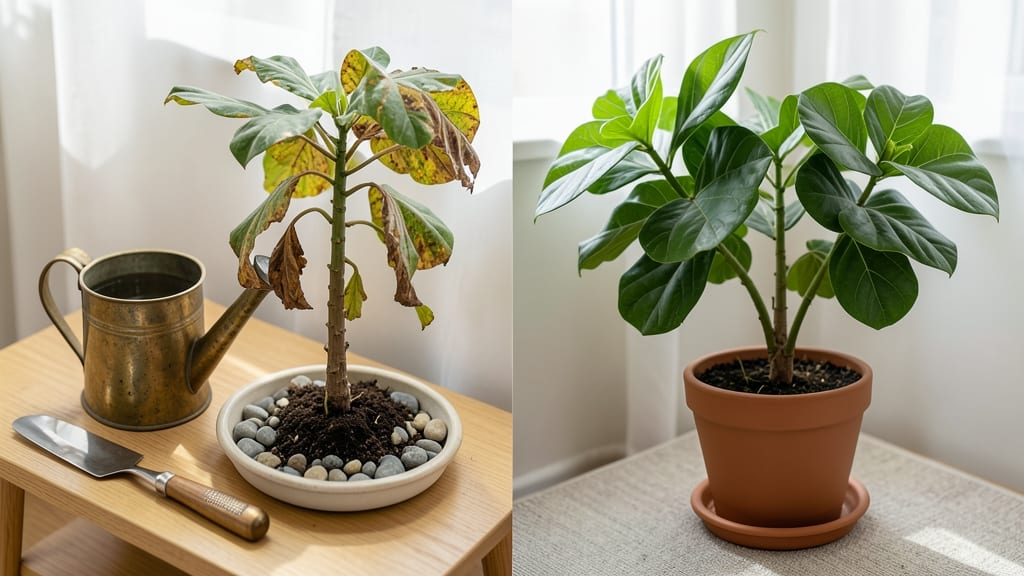
Your sick fiddle leaf fig looks like it’s fighting for its life—but with the right moves, you can nurse it back to that glossy, thriving glory in just three focused treatments. 🌿 I’ve revived more figs than I’d like to admit, and the secret isn’t complicated: it’s about stopping the damage, diagnosing the real problem, and giving it exactly what it needs—no guesswork.
The key is acting fast before those brown spots turn into permanent scars.
Most "sick" figs aren’t actually dying—they’re just screaming for help in their own way. Yellow leaves? Probably overwatering. Crunchy brown edges? Underwatering or low humidity. Tiny webs or white specks? Spider mites or mealybugs. The good news?
Each issue has a specific fix, and I’ll walk you through the exact steps to turn things around—no expensive treatments, just smart care. Think of this as a reset button for your plant.
By the end of this, your fig will be on the mend: new growth pushing out, leaves perking up, and that signature deep green color returning. The best part? You’ll spot the early warning signs next time and stop the cycle before it starts.
No more guessing, no more panic—just a plant that bounces back like it’s never been better. Let’s get to work.
We’ll cover the most common fixes first (water, light, pests), then tackle the trickier stuff like root rot or fungal infections. Pro tip: snap a photo of the problem spots before you start—it’ll help you track progress and know exactly what to target.
Ready to bring your fiddle leaf fig back from the brink?
Root Causes Of Leaf Stress
Fiddle leaf figs (Ficus lyrata) are prized for their striking foliage, but when they turn sickly—drooping, yellowing, or spotted—they’re usually sending a clear SOS. Understanding the why behind these symptoms is the first step to revival.
Below, we break down the science-backed reasons your fiddle leaf fig might be struggling, along with actionable insights to address each issue.
Fiddle leaf figs are tropical plants, but their roots hate sitting in soggy soil.
Overwatering disrupts oxygen flow to the roots, leading to: - Root rot (caused by Phytophthora or Pythium fungi), which blocks nutrient uptake and causes yellowing leaves. - Edema (water blisters on leaves), a sign the plant is absorbing more water than it can transpire. - Stunted growth due to anaerobic conditions (lack of oxygen) in waterlogged soil.
Why it happens:
- Heavy clay or compacted soil retains too much moisture.
- No drainage holes in pots trap excess water.
- Overzealous watering (especially in cooler months when growth slows).
Actionable fix:
- Let the top 2–3 inches of soil dry out before watering again.
- Use a well-draining mix (50% potting soil, 30% perlite, 20% orchid bark).
- Repot into a terracotta pot (porous material helps wick away moisture).
While overwatering is the #1 killer, chronic underwatering stresses fiddle leaf figs just as much. Signs include:
- Crispy, brown leaf edges (from dehydration).
- Premature leaf drop (the plant sheds old leaves to conserve energy).
- Wilting (even when soil feels slightly damp).
Why it happens:
- Low humidity (below 40%) causes transpiration to outpace water absorption.
- Small pots dry out too quickly.
- Hard water (high in minerals) can clog soil pores, reducing moisture retention.
Actionable fix:
- Mist leaves 2–3 times weekly or use a pebble tray with water.
- Group plants together to raise humidity naturally.
- Water deeply but less frequently (soak until water drains from the bottom).
Fiddle leaf figs thrive in bright, indirect light—but too much or too little causes stress:
- Too little light → Leggy stems, pale leaves, and weak growth (chlorosis).
- Too much direct sun → Sunburn (brown, crispy patches on leaves).
Why it happens:
- South/west-facing windows expose leaves to harsh afternoon sun.
- North-facing windows provide insufficient light for long-term health.
- Fluorescent lighting (common in offices) lacks the blue spectrum needed for photosynthesis.
Actionable fix:
- Place near an east-facing window or 6–10 feet from a south-facing one.
- Use sheer curtains to diffuse direct sunlight.
- Supplement with a grow light (12–14 hours/day) if natural light is insufficient.
Tiny pests like spider mites, mealybugs, and scale insects suck sap from leaves, causing:
- Sticky residue (honeydew) on leaves (a sign of aphids or mealybugs).
- Webbing (spider mites spin silk between leaves).
- Yellowing or curled leaves (pests block stomata, reducing gas exchange).
Why it happens:
- Dry air weakens leaves, making them easier targets.
- Poor hygiene (old debris provides hiding spots for pests).
- Stressed plants (from other issues) attract pests.
Actionable fix:
- Isolate the plant to prevent spread.
- Wipe leaves with a neem oil solution (1 tsp neem oil + 1 quart water + a drop of dish soap).
- Use insecticidal soap for severe infestations (follow label instructions).
Fiddle leaf figs need balanced nutrients, but imbalances show up fast:
- Yellow leaves with green veins → Magnesium deficiency (chlorosis).
- Purple stems or undersides → Phosphorus deficiency (slow growth).
- Brown leaf tips → Fluoride or chlorine toxicity (from tap water).
Why it happens:
- Tap water (high in chlorine/fluoride) builds up in soil over time.
- Over-fertilizing burns roots, preventing nutrient uptake.
- Old soil (depleted of nutrients after 1–2 years).
Actionable fix:
- Flush soil every 3 months with distilled or rainwater.
- Use a balanced liquid fertilizer (20-20-20) once a month in spring/summer.
- Repot every 2 years with fresh, nutrient-rich soil.
Fiddle leaf figs hate sudden temperature swings or drafts:
- Cold drafts (from AC vents or open windows) cause leaf drop.
- Heat stress (above 90°F) leads to wilting and leaf scorch.
- Frequent temperature shifts (e.g., moving between hot/cold rooms) weakens the plant.
Why it happens:
- Heating/cooling systems create dry, unstable air.
- Placing near doors/windows exposes leaves to drafts.
- Seasonal changes (e.g., moving indoors in winter without acclimation).
Actionable fix:
- Keep in a stable 65–75°F range (avoid below 60°F).
- Avoid AC vents—use a space heater with a humidifier instead.
- Rotate the plant weekly to ensure even light exposure (prevents one-sided stress).
Revive Your Fiddle Leaf Fig
Don’t let a struggling fiddle leaf fig dim your space—with the right care, you can bring it back to vibrant health in no time. Below are targeted solutions for the most common issues, from drooping leaves to brown spots, along with prevention tips to keep your plant thriving. Let’s get your fiddle leaf fig back in top shape!
If your fiddle leaf fig’s leaves are yellowing, wilting, or falling off, it’s likely overwatered. Root rot sets in when soil stays soggy for too long, cutting off oxygen and inviting fungal infections.
How to Fix It:
- 🔥 Stop Watering Immediately
- Let the top 1–2 inches of soil dry out completely before watering again. Stick your finger in the soil—if it’s damp, wait longer.
- 🍳 Repot in Fresh, Well-Draining Soil
- Remove the plant from its pot and gently rinse the roots with water to wash away excess soil.
- Trim any mushy, black, or smelly roots with sterilized scissors (healthy roots are firm and white).
- Repot in a container with drainage holes and a mix of 50% potting soil, 30% perlite, and 20% orchid bark for better aeration.
- ⏰ Adjust Your Watering Schedule
- Water only when the top 2–3 inches of soil are bone-dry. In winter, reduce watering to every 3–4 weeks.
💡 Prevention Tips:
- Use a moisture meter to avoid guesswork.
- Choose pots with drainage holes—never use saucers without emptying excess water.
- Group plants together to create a humid microclimate (but avoid soggy soil).
Brown, crispy leaf edges and a droopy stem? Your fiddle leaf fig is thirsty. Unlike many plants, fiddle leaf figs prefer slightly dry soil over soggy conditions.
How to Fix It:
- 👨🍳 Give It a Deep Watering
- Soak the pot thoroughly until water drains from the bottom. Empty the saucer afterward to prevent root rot.
- 🌡️ Increase Humidity (If Needed)
- Mist the leaves lightly 2–3 times a week or place a pebble tray under the pot.
- For extra humidity, use a humidifier or group plants together.
- 🎯 Trim Damaged Leaves
- Use clean, sharp scissors to snip off only the brown, crispy parts—never the whole leaf. This helps the plant focus energy on new growth.
💡 Prevention Tips:
- Water every 7–10 days in summer, but reduce to every 2–3 weeks in winter.
- Check soil moisture with your finger—never let it stay bone-dry for weeks.
- Avoid cold drafts, which dry out the plant faster.
Small brown spots with yellow halos? This could be a fungal or bacterial infection, often caused by overwatering, poor air circulation, or contaminated tools.
How to Fix It:
- 🔪 Prune Infected Leaves
- Cut off only the spotted leaves with sterilized scissors (wipe with rubbing alcohol between cuts).
- Dispose of infected leaves in the trash—don’t compost them.
- 🌿 Treat with Fungicide (If Needed)
- Spray leaves with a copper fungicide or neem oil solution (1 tsp neem oil + 1 quart water). Reapply every 7–10 days for 3 weeks.
- 🌡️ Improve Airflow & Light
- Move the plant to a bright, indirect light spot (no direct sun).
- Space plants apart to prevent humidity buildup around leaves.
💡 Prevention Tips:
- Sterilize pruning tools before and after use.
- Wipe leaves with a damp cloth weekly to remove dust (prevents fungal growth).
- Avoid overhead watering—water at the soil level instead.
Sudden leaf drop or brown patches on one side? Your fiddle leaf fig is sensitive to cold drafts, heaters, or AC vents. Ideal temps are 60–75°F (15–24°C).
How to Fix It:
- ⏰ Move It Away from Drafts
- Keep the plant 3–5 feet away from windows, doors, or vents.
- Avoid placing it near air conditioners or heaters.
- 🌿 Adjust Light Exposure
- If leaves are bleached or sunburned, move it to indirect light.
- If leaves are stretching (etiolation), it needs more bright, indirect light.
- 💡 Acclimate Gradually
- If moving outdoors, harden it off over 1–2 weeks to avoid shock.
💡 Prevention Tips:
- Use a thermometer near the plant to monitor temps.
- In winter, keep it away from cold windows (glass conducts cold).
- Rotate the pot weekly for even light exposure.
With these fixes, your fiddle leaf fig should bounce back in 4–8 weeks. Consistency is key—stick to the new care routine, and your plant will reward you with lush, glossy leaves in no time! 🌿✨
Frequently asked questions
Why are my fiddle leaf fig leaves turning yellow with green veins?
This classic sign usually means magnesium deficiency or overwatering. Check the soil moisture first—if it's soggy, let it dry completely before watering again. For magnesium issues, flush the soil with distilled water every 3 months and consider using Epsom salt (1 tsp per gallon of water) monthly during growing season.
Can I save my fiddle leaf fig if the stem is brown and mushy at the base?
You might still save it if the rot hasn't reached the main trunk. Cut away all blackened, mushy areas with sterilized scissors, then repot in fresh, well-draining mix. Keep the plant in bright indirect light and avoid watering for 1-2 weeks to let any remaining wounds heal.
What's the fastest way to check if my fiddle leaf fig is overwatered?
Do the finger test: Stick your finger 2 inches deep into the soil. If it feels damp, it's overwatered. For a quick visual check, lift the pot—if it feels heavy, there's likely excess moisture. The soil should be light and crumbly when dry, not compacted.
How do I know if my fiddle leaf fig needs more humidity?
Look for brown leaf tips or curling edges—these are classic dry-air signs. Place the pot on a pebble tray with water or group it with other plants to raise humidity naturally. Aim for 40-60% humidity; a hygrometer helps track this precisely.
Is it safe to use tap water on my fiddle leaf fig?
Only if it's low in chlorine/fluoride. Let tap water sit 24 hours before using to reduce chemicals. For long-term care, use distilled or rainwater to prevent buildup of minerals that can cause brown leaf tips or root damage.