
Trees
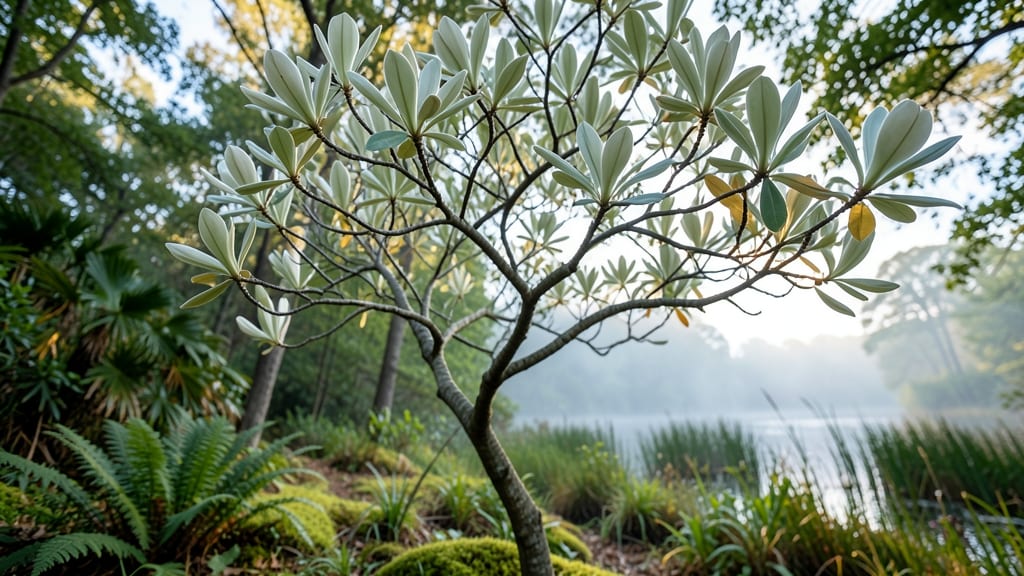
Identifying Arkansas trees by leaf can be tricky, but these 10 common species offer distinct visual clues to help beginners master tree recognition with confidence—no botanist degree required.
Sweetgum Tree Identification By Leaf Shape
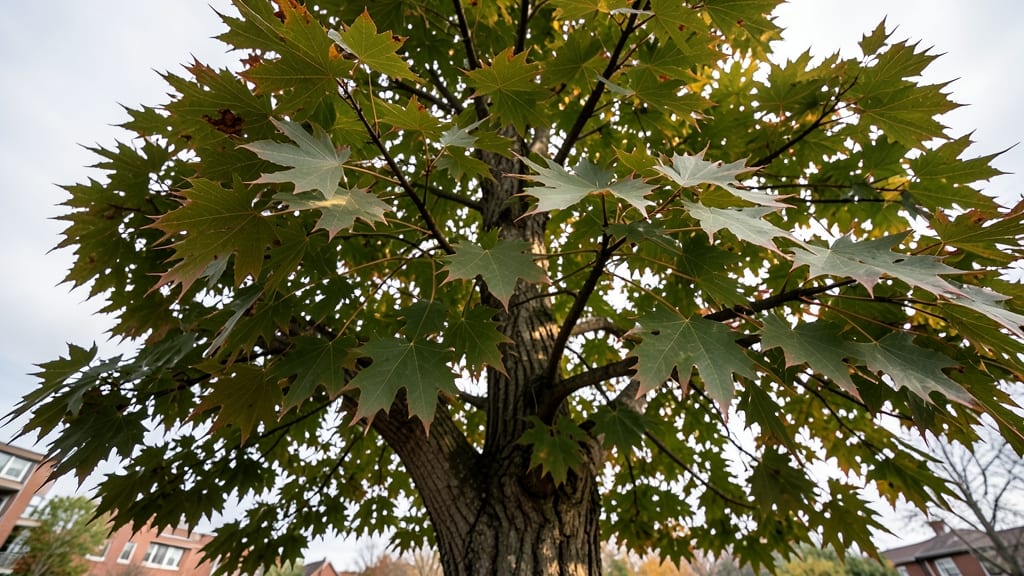
If you’ve ever spotted a tree with star-shaped leaves that look like they’ve been cut with pinking shears, you’ve likely found a sweetgum tree (Liquidambar styraciflua). These distinctive leaves—with their 5-7 pointed lobes—are one of Arkansas’s most recognizable tree features, especially in urban parks and city landscapes where sweetgums thrive.
The leaves are glossy green in summer and turn stunning shades of purple, orange, or red in fall, making them a favorite for seasonal interest. Sweetgums adapt well to Arkansas’s humid summers and mild winters, tolerating both urban pollution and moist, well-drained soils. Their spiky seed pods (called "gumballs") add another layer of identification—just don’t let them litter your lawn!
Perfect for urban gardeners and park planners, sweetgums offer shade, year-round beauty, and minimal fuss. Just be prepared for those iconic seed clusters—worth it for their bold foliage and adaptability! 🌟
Loblolly Pine Needles: Arkansas’s Most Common Pine
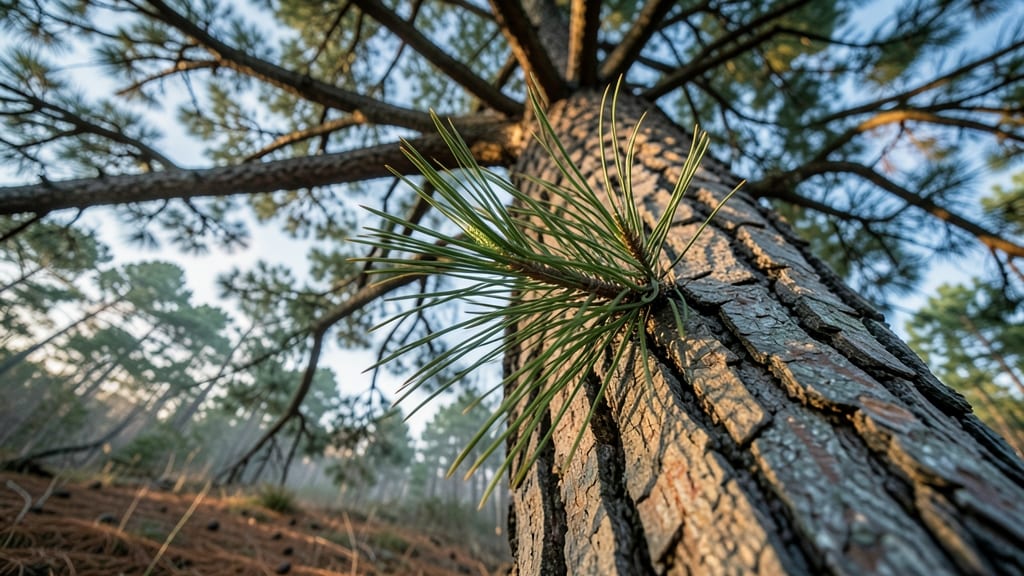
If you’ve ever wandered through Arkansas’s pine forests and wondered which tree you’re looking at, the loblolly pine is your first clue—its needles are unmistakable. Unlike other pines, loblolly needles grow in flexible bundles of three, each 6-9 inches long, making them easier to spot from a distance than stiff, shorter needles.
These needles are slightly twisted and have a soft, bluish-green hue that stands out against the tree’s rough, scaly bark. They stay on the tree for about 18 months before dropping, which helps distinguish loblolly from shortleaf pine (which sheds needles annually). Look for these bundles in pine-dominated areas, especially near water sources where loblolly thrives.
For beginners, this pine is a game-changer—its needles are a quick way to confirm you’re in a loblolly-dominated forest without needing a field guide. 🌱
White Oak Leaf: Arkansas’s State Tree
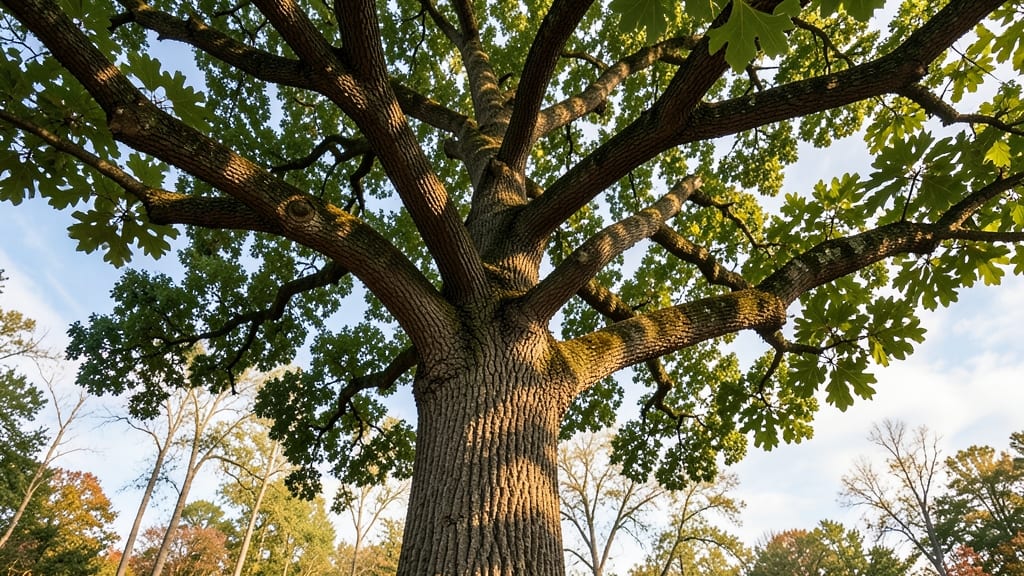
If you’ve ever wandered through Arkansas’s parks or woodlands and spotted a towering tree with leaves that look like they’ve been hand-carved, you’re likely looking at a white oak. This state tree is one of the easiest to identify thanks to its unique lobed leaves—each with rounded edges and tiny bristle tips that set it apart from other oaks.
The rounded lobes of a white oak leaf (usually 5-7 per leaf) are less pointed than red oak leaves, and the edges have a subtle, fuzzy texture. These leaves turn a stunning golden-brown in autumn, making them stand out in forests and urban landscapes alike. White oaks thrive in well-drained soil and full sun, often reaching heights of 60-80 feet, so keep an eye out for their massive canopies in mature woodlands.
Perfect for urban gardeners and nature enthusiasts, recognizing white oaks helps you appreciate Arkansas’s natural heritage—plus, their acorns are a favorite for wildlife like deer and squirrels. 🌟
Red Maple Leaf: Arkansas’s Vibrant Spring Identifier
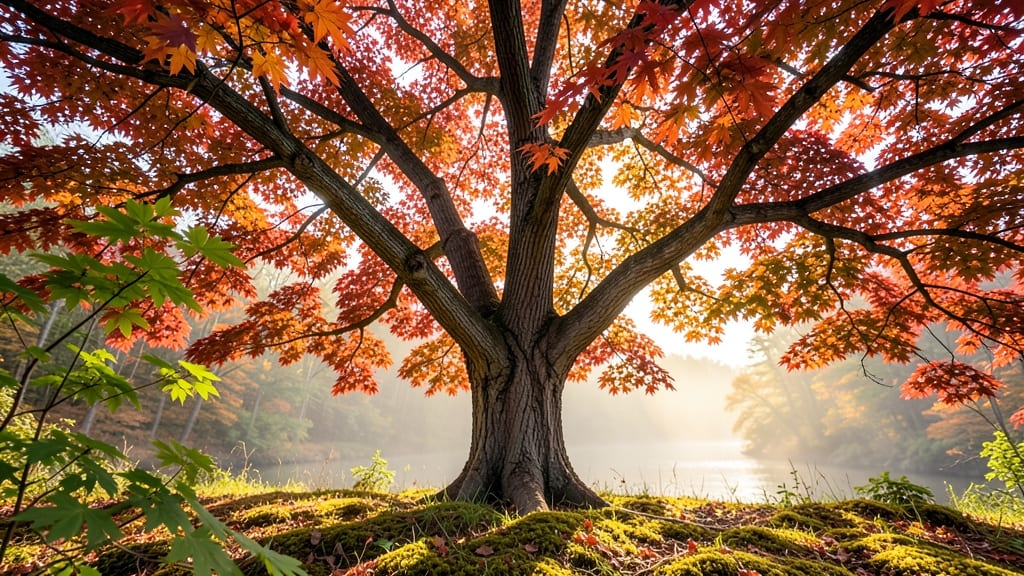
Spring in Arkansas’s river valleys and forests announces itself with a splash of color—and the red maple (Acer rubrum) is the star. Its three-lobed leaves with serrated edges are impossible to miss, especially when they burst into fiery reds, oranges, and purples by autumn. Unlike other maples, red maples often bloom early, with bright red flowers appearing before the leaves fully unfurl.
Look for leaves that are 3-6 inches wide, with pointed lobes and a smooth, slightly wavy edge. These trees thrive in moist, well-drained soils and are adaptable to both sun and partial shade, making them a common sight along Arkansas’s waterways and in urban landscapes. Their vibrant foliage also attracts wildlife, from birds to butterflies, creating a dynamic ecosystem.
Perfect for landscape designers and nature enthusiasts, red maples offer year-round interest with their striking colors and adaptability. Plant one to add drama to your garden or simply enjoy their beauty during your next forest walk. 💚
Southern Magnolia Leaf: Glossy and Large
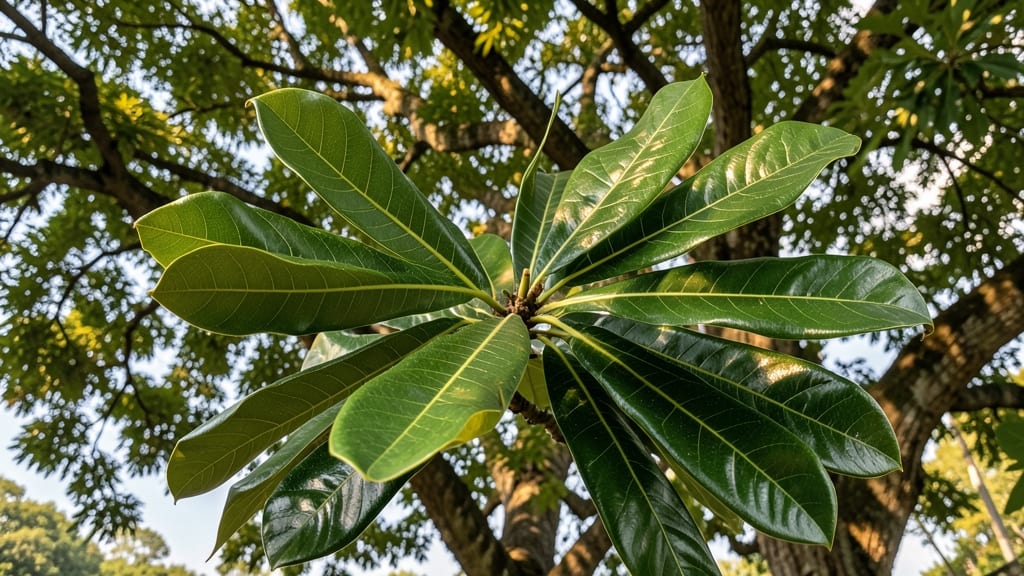
If you’ve ever brushed against a leaf so thick and glossy it feels like polished leather, you’ve likely encountered a Southern magnolia (Magnolia grandiflora). These large, evergreen leaves—typically 5-8 inches long—are a dead giveaway for this iconic Arkansas tree, especially when spotted under its sprawling canopy.
The leaves are smooth-edged and oblong, with a deep, rich green color that stands out against the dark, textured bark of mature trees. Unlike deciduous trees, Southern magnolias keep their leaves year-round, making them a reliable identifier in both gardens and wild landscapes. They thrive in Arkansas’s humid climate and prefer well-drained, slightly acidic soil, often becoming a focal point in landscapes for their dramatic presence.
Gardeners and homeowners love Southern magnolias for their fragrant white flowers in spring and their ability to provide shade and year-round interest. Perfect for those who want a low-maintenance yet striking tree, these leaves are a surefire way to spot one of Arkansas’s most beloved natives. 💚
Black Walnut Leaf: Compound Leaves with Unique Shape
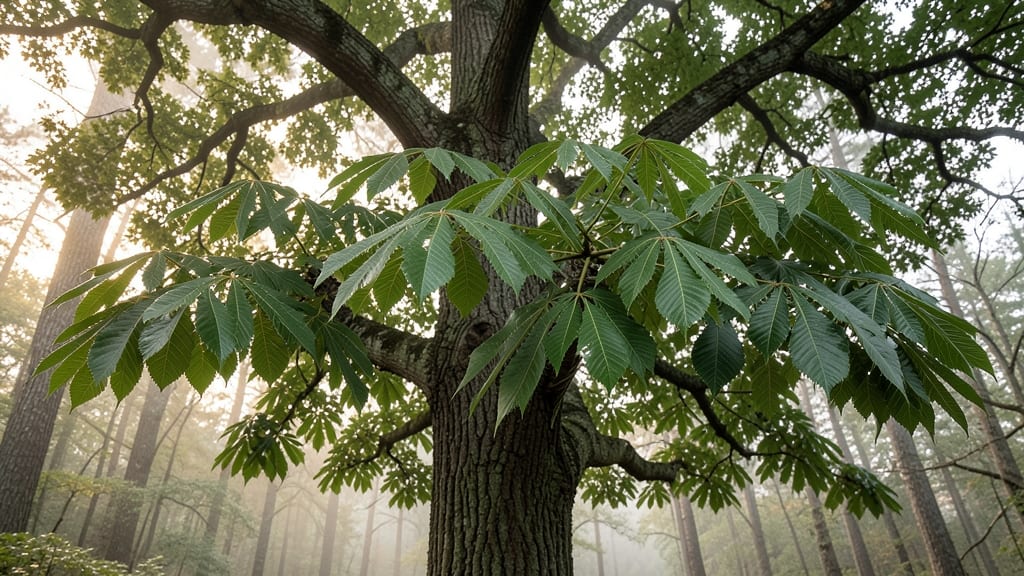
If you’ve ever wondered how to spot a black walnut tree (Juglans nigra) in Arkansas’s woodlands, look no further than its pinnate leaves—each with 15-23 elongated leaflets arranged like a feather. This distinctive arrangement sets it apart from other trees, making it a standout feature in forests and along riverbanks.
The leaflets are smooth-edged and alternate along the central stem, creating a striking, elongated shape. Black walnuts thrive in well-drained soils and partial shade, often found in mixed hardwood forests across Arkansas. Their juglone-producing roots also make them useful for gardeners who want to suppress weeds naturally—just keep them away from sensitive plants like tomatoes or apples!
For landowners and timber enthusiasts, black walnuts are a prized find—both for their valuable timber and edible nuts. Their unique leaves make them easier to identify than you’d think, even for beginners. 🌿
American Holly Leaf: Spiky Edges and Shiny Surface
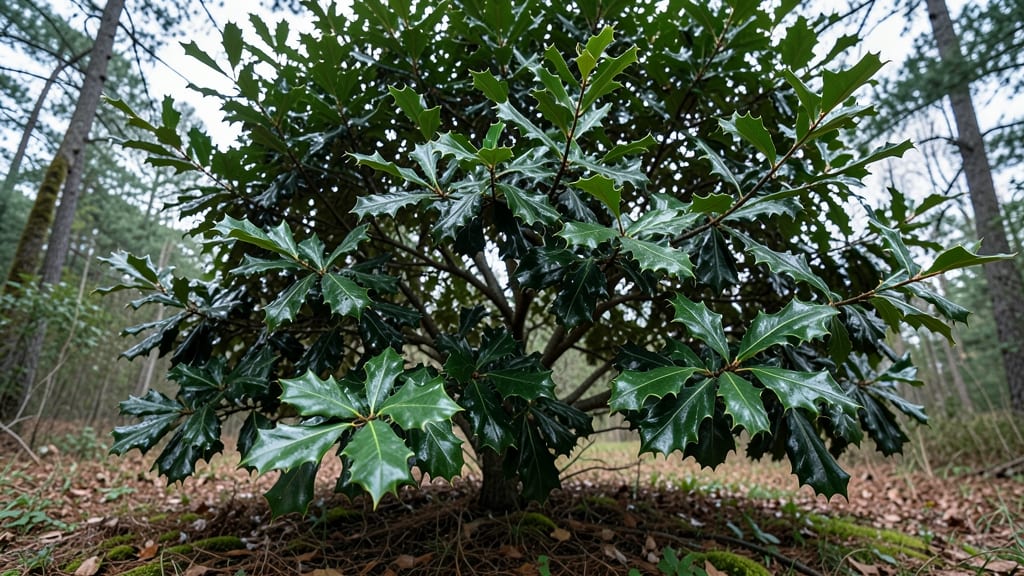
If you’ve ever admired a tree with holly leaves that look like they’ve been dipped in glossy varnish, you’re likely looking at American holly (Ilex opaca). This evergreen staple of Arkansas’s forests and holiday decorations is instantly recognizable by its sharp, spiky edges and waxy, dark green surface, which repels rain and pests year-round.
The leaves grow alternately along the stem, with a smooth, almost plastic-like texture that’s easy to spot even from a distance. Look for red berries (on female trees) in winter, a classic holiday symbol that adds another layer of identification. American holly thrives in Arkansas’s acidic, well-drained soils and partial shade, making it ideal for understory plantings or as a focal point in garden beds.
Perfect for landscape designers and homeowners who want year-round structure, American holly’s glossy foliage and festive berries make it a standout choice. Just be prepared for the occasional prickly surprise when reaching for those iconic decorations! 🌿
Eastern Redbud Leaf: Heart-Shaped and Early Bloomer
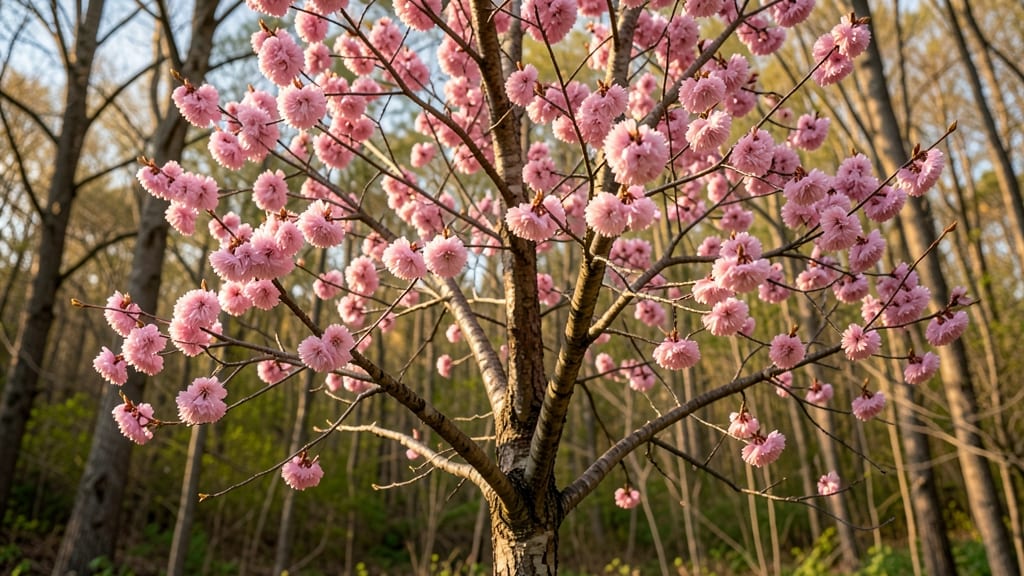
If you’re hiking through Arkansas’s woodlands in early spring and spot clusters of pink flowers before the leaves appear, you’ve likely found an Eastern redbud (Cercis canadensis). This small tree is one of the first to bloom, announcing spring with its delicate blossoms—followed by its signature heart-shaped leaves that emerge shortly after.
The leaves are small (2-5 inches long) with a smooth edge and a slightly pointed tip, creating that classic heart shape. They start bright green in spring, turning a soft yellow in fall. Eastern redbuds thrive in partial shade to full sun and adapt well to Arkansas’s well-drained soils, making them a great choice for gardens and natural landscapes. Their early bloom also provides vital nectar for pollinators like bees and butterflies.
Perfect for beginner gardeners and woodland explorers, Eastern redbuds add a splash of early color and year-round interest. Their unique leaf shape and timing make them a standout in Arkansas’s diverse tree lineup. 🌷
Shortleaf Pine Needles: Arkansas’s Native Pine
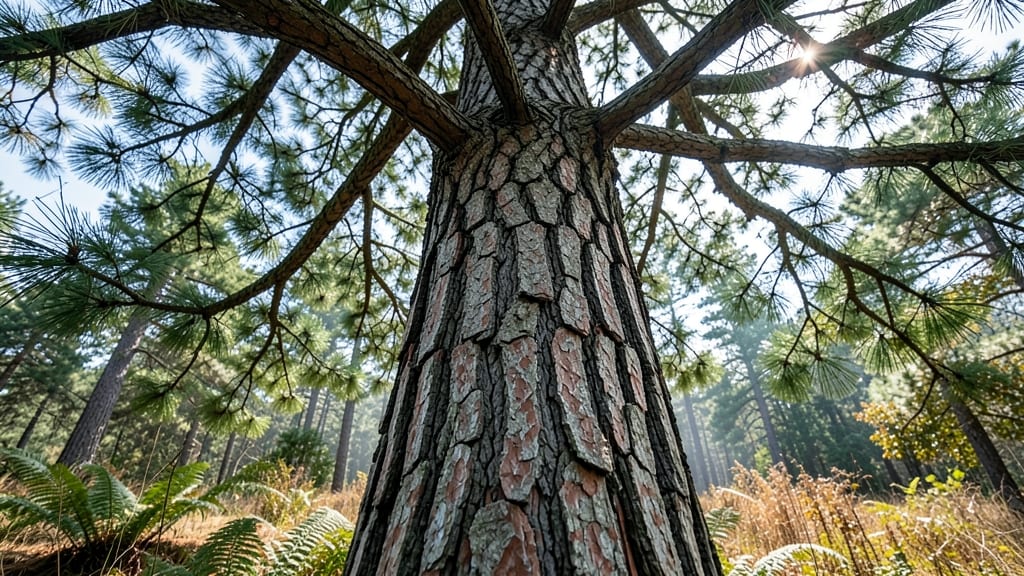
If you’ve ever spotted a pine with needles growing in pairs instead of the usual three, you’re likely looking at a shortleaf pine (Pinus echinata), Arkansas’s native pine that plays a crucial role in the state’s forests. Unlike loblolly pines (which have three needles per bundle), shortleaf pines have stiff, sharp needles that stand out when held up to the light—perfect for quick ID in the field.
The needles are 1.5-3 inches long, dark green, and stay on the tree for about 18 months before dropping, leaving behind a distinctive orange-brown bark that peels in long strips. This pine thrives in Arkansas’s dry, sandy soils and mixed forests, often alongside oak and hickory trees. Look for these pairs of needles in upland areas where invasive pines like loblolly aren’t as common.
For foresters, landowners, and nature enthusiasts, recognizing shortleaf pine helps protect Arkansas’s native ecosystems from invasive species. Its unique needle arrangement makes it a standout feature in the state’s pine forests. 🌟
Sweetbay Magnolia Leaf: Fragrant and Elongated

If you’ve ever wandered through Arkansas’s coastal plains or wetter woodlands and caught a whiff of something sweetly floral in the air, you might’ve been near a sweetbay magnolia (Magnolia virginiana). Unlike its bold cousin, the southern magnolia, this tree’s leaves are delicate, elongated ovals with a subtle fragrance that’s hard to miss when crushed or brushed against.
The leaves are 4-8 inches long, smooth-edged, and a lighter green than other magnolias, often growing in clusters along the branches. This tree thrives in moist, acidic soils—perfect for Arkansas’s lowland forests, swamps, and even as a landscape specimen—and its fragrant white flowers in spring add another clue. Unlike the southern magnolia, sweetbay magnolias are deciduous, dropping their leaves in fall, though they hold onto some foliage in winter.
Perfect for landscape designers and native plant enthusiasts, sweetbay magnolias bring both scent and shade to gardens while supporting local wildlife. Their adaptability to wetter conditions makes them a standout for Arkansas’s coastal and riverine areas. 🌿