
Leaf Blower
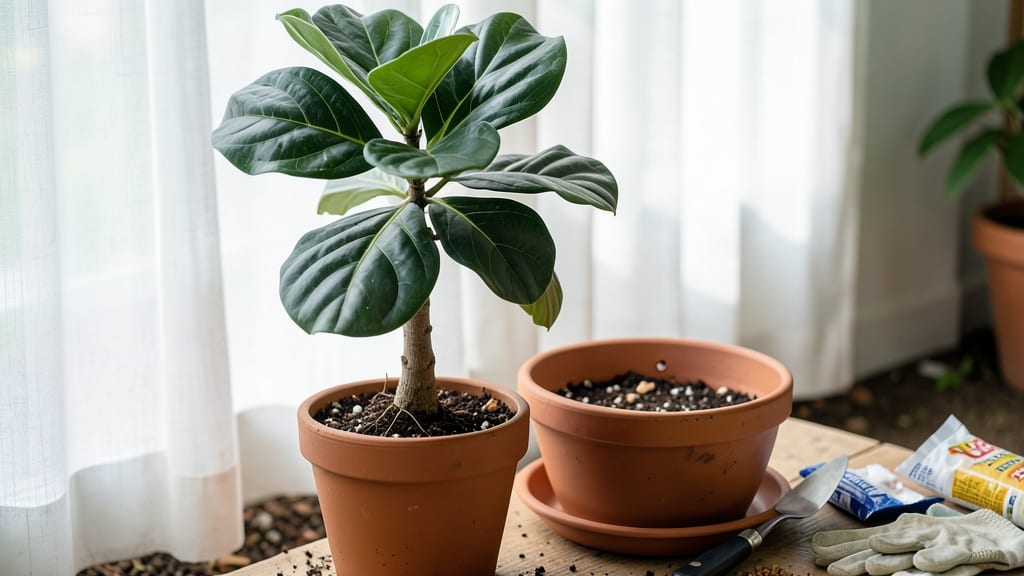
5 Clear signs your fiddle leaf fig needs repotting now
Your fiddle leaf fig (🌿 Ficus lyrata) thrives when its roots have room to stretch, but many plant parents overlook the subtle cues that signal it’s time for a bigger pot.
Ignoring these signs can lead to root-bound stress, yellowing leaves, or even root rot—so how do you know when to act? The answer lies in observing your plant’s growth patterns, soil behavior, and overall health.
Repotting isn’t just about giving your plant more space—it’s about refreshing depleted soil and preventing circular root growth, which can strangle your fiddle leaf fig’s development. If you’ve noticed your plant slowing down or water draining through the pot in seconds, these are red flags.
Let’s break down the 5 clear signs your fiddle leaf fig is begging for a repotting upgrade.
🌱 5 Signs Your Fiddle Leaf Fig Needs Repotting
-
1. Roots Circling the Pot
When you gently remove your plant from its pot, you’ll see roots growing in tight circles around the soil. This root-bound condition restricts growth and can lead to nutrient starvation. -
2. Water Drains Too Quickly
If water runs straight through the pot within 10-15 minutes of watering, your soil is fully decomposed and lacks moisture retention. This often means roots have filled the entire pot. -
3. Stunted Growth or Yellowing Leaves
A slow growth rate or yellowing leaves (especially on lower branches) can signal root stress from lack of space. Your fiddle leaf fig may also drop leaves as a distress signal. -
4. Roots Emerging from Drainage Holes
If you spot white, fibrous roots poking out of the drainage holes, your plant has outgrown its current pot. This is a clear visual cue that repotting is urgent. -
5. Soil Depletion or Foul Odor
After 1-2 years, indoor plant soil loses nutrients and becomes compacted. If your soil smells musty or sour, it’s time to refresh the growing medium during repotting.
Don’t wait until your fiddle leaf fig shows signs of severe distress—like leaf drop or blackened stems. Addressing these signs early ensures your plant continues to grow lush and healthy.
The best time to repot is during spring or early summer, when your plant is entering its active growth phase.
When repotting, choose a pot that’s 2-3 inches larger in diameter than the current one to avoid overwhelming your fiddle leaf fig with too much soil. Use a well-draining mix (like a blend of peat moss, perlite, and orchid bark) to prevent waterlogging, which can cause root rot.
After repotting, place your fiddle leaf fig in bright, indirect light and avoid fertilizing for 4-6 weeks to allow the roots to adjust. Monitor the soil moisture closely—overwatering can stress a newly repotted plant.
If you’ve spotted 2 or more of these signs, your fiddle leaf fig is ready for a bigger home. The key is to act before the plant becomes root-bound, as this can cause irreversible damage.
With the right timing and care, your fiddle leaf fig will reward you with vibrant new growth in no time! 🌿
Best repotting schedule: how often should you move your fiddle leaf fig?
Repotting your fiddle leaf fig at the right time keeps it thriving, but timing matters more than you might think. Young plants need frequent upgrades, while mature ones can wait longer—so let’s break down the perfect schedule based on your plant’s age and growth stage.
Spring and early summer are the best seasons to repot because your fiddle leaf fig enters its active growth phase. This timing helps it recover quickly and establish new roots before winter dormancy. Avoid repotting in fall or winter, when growth slows.
| Plant Age | Repotting Frequency | Best Time of Year | Key Signs |
|---|---|---|---|
| Young (1-3 years) | Every 1-2 years | Spring or early summer | Roots circling pot, rapid soil drying |
| Mature (3-5 years) | Every 2-3 years | Spring or early summer | Slow growth, roots through drainage holes |
| Established (5+ years) | Every 3-4 years | Spring only | Yellowing leaves, compacted soil |
Watch for soil health changes—if your fiddle leaf fig’s soil dries out in just a few days, it’s a sign the roots have filled the pot and need more space. Also, check for roots growing through drainage holes or circling the pot’s edge.
Indoor plants like fiddle leaf figs thrive with consistent care, so stick to your repotting schedule. After repotting, place your plant in bright, indirect light and avoid fertilizing for 4-6 weeks to let it recover.
Remember, even mature plants may need repotting sooner if they show stress signs like yellowing leaves or stunted growth. Always prioritize your plant’s health over rigid schedules!