
Leaf Blower
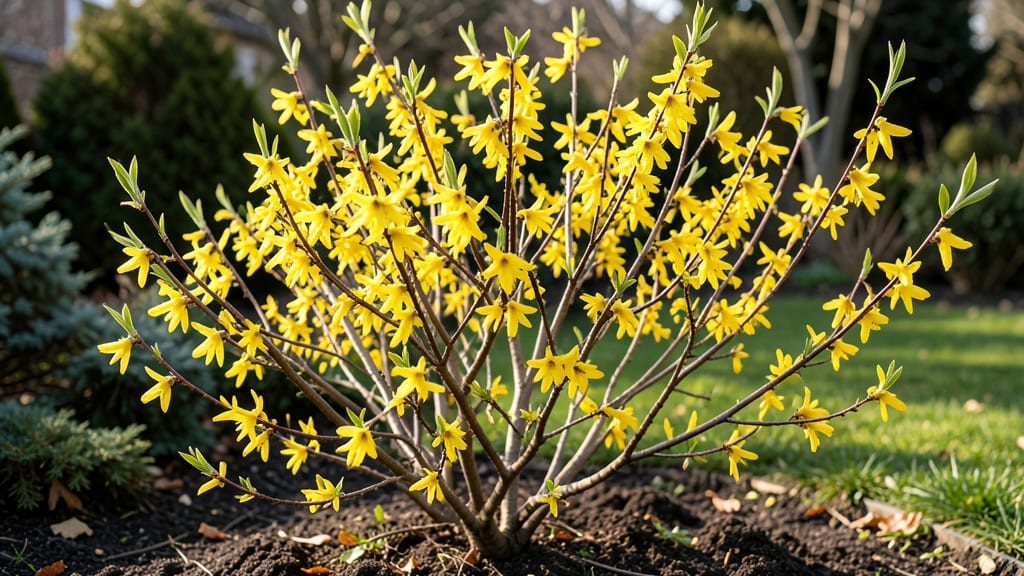
A yellow-leafed bush usually indicates nutrient deficiencies, overwatering, or environmental stress such as too much sunlight or drainage issues. Test soil moisture, light exposure, and fertilizer levels to identify and address the root cause quickly.
A yellow-leafed bush often reveals deeper issues like iron chlorosis (yellowing between veins) or nitrogen deficiency (pale yellow leaves), which require targeted solutions. 🌿 Overwatering creates root suffocation, while underwatering stresses the plant—both trigger leaf discoloration.
Seasonal shifts (like early spring) can also mimic nutrient problems, so timing matters when diagnosing.
For example, hydrangeas with yellow leaves often need acidic soil (pH 5.5-6.2) and regular magnesium-rich fertilizer, while azaleas respond well to balanced 10-10-10 fertilizer applied in early spring.
Always prune affected leaves to redirect energy to healthy growth, and adjust watering to keep soil consistently moist but not soggy.
💡 In This Article
- Diagnosing Yellow Leaves on Bushes: Nutrient and Environmental Triggers
- Step-by-Step Fixes for Reviving a Yellow-Leafed Bush
Diagnosing yellow leaves on bushes: nutrient and environmental triggers
Yellow leaves on bushes often start as a silent SOS from your plant, signaling nutrient deficiencies or environmental stress. The most common culprit is iron chlorosis, where leaves turn pale yellow between veins due to poor iron uptake—common in alkaline soils (pH above 7.0).
For example, hydrangeas in clay-heavy soil often show this because iron becomes locked away in its oxidized form, unavailable to roots. 🌱 Another classic sign is nitrogen deficiency, causing uniform yellowing across leaves, as nitrogen fuels chlorophyll production.
Watering habits play a critical role too. Overwatering suffocates roots by depriving them of oxygen, leading to yellowing leaves that feel mushy to the touch. Conversely, underwatering causes leaves to curl and yellow at the edges as the plant conserves moisture.
Test soil moisture by sticking your finger 2 inches deep—if it's dry, water deeply; if soggy, hold off until the top 1-2 inches feel dry. Seasonal shifts matter too: early spring often mimics nutrient deficiencies because cool soil slows root activity.
Environmental factors like excessive sunlight can scorch leaves, turning them yellow with crispy edges, while poor drainage causes roots to rot and leaves to yellow from the bottom up.
For instance, azaleas in full sun may develop yellow leaves due to heat stress, while rhododendrons in waterlogged soil show yellowing from root suffocation. 🌞 Always check the leaf pattern: yellowing starting at the bottom suggests watering issues, while top leaves yellowing often points to nutrient problems.
Soil pH is another key player. Acid-loving plants like blueberries (ideal pH 4.5-5.5) yellow when soil becomes too alkaline, while alkaline-tolerant bushes like lilacs (pH 6.0-7.5) thrive in neutral soil. A simple soil test kit (costing $10-$20) reveals pH levels and nutrient deficiencies, guiding your next steps.
For example, adding chelated iron or sulfur can lower pH and unlock nutrients for chlorotic plants.
Magnesium deficiency, often called "lime-induced chlorosis," causes yellowing between veins in older leaves first. This happens when calcium displaces magnesium in alkaline soils. Adding Epsom salt (magnesium sulfate)—1 tablespoon per gallon of water—applied every 4-6 weeks can restore balance.
Always water deeply after application to prevent salt buildup near roots. 💧
Finally, consider seasonal variations. In early spring, yellow leaves may simply be old foliage preparing to drop, while summer yellowing often signals heat stress or underwatering. Observe your bush’s growth pattern: new leaves staying green while old ones yellow suggests natural aging, but widespread yellowing demands action.
For instance, boxwoods often yellow in summer due to heat, but a light layer of mulch can protect roots and retain moisture.