
Pruning
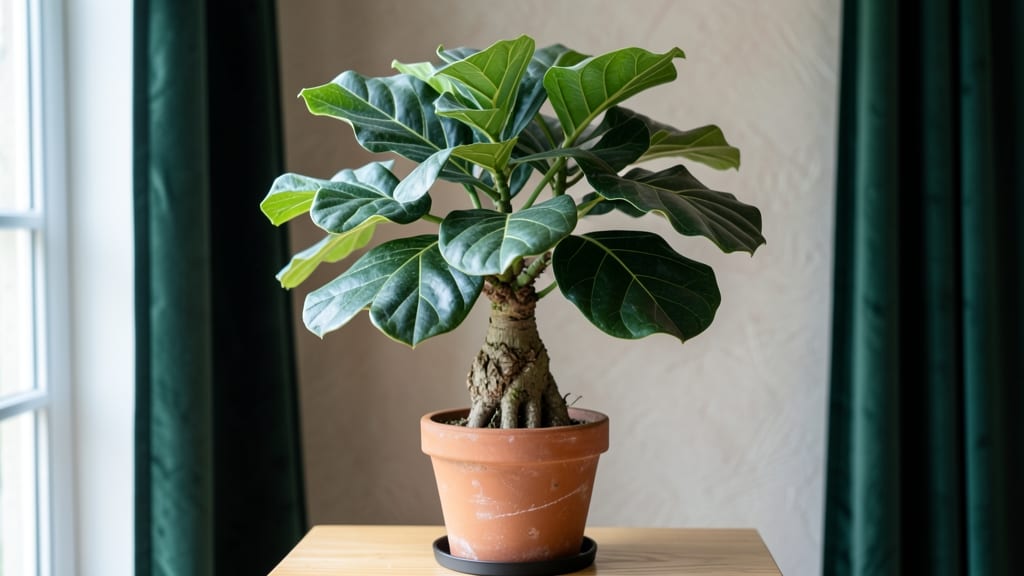
Transform your space with the 5 finger leaf tree—that striking, low-maintenance plant with hand-shaped foliage that thrives year-round. 🌿 I’ve grown mine for five years, and the secret to keeping it lush isn’t complicated: it’s all about light, water, and the right pruning cuts.
Skip the guesswork, and you’ll have a plant that looks like it belongs in a botanical garden, not just your living room.
The key to its success? Bright, indirect light—think near a window but not in direct sun—and watering only when the top inch of soil feels dry. Overwatering is the #1 killer, but don’t stress: this plant forgives mistakes better than most.
When you prune, snip just above a leaf node to encourage bushier growth, and watch those fingers fill in faster than you’d expect.
By summer, you’ll see new growth so vibrant it looks like someone repainted the leaves. The plant stays compact enough for small spaces but grows tall enough to make a statement—no fancy fertilizers or weekly attention required. Even my black thumb kept this one alive, and it’s still going strong.
Works indoors or out in mild climates, and the pruning tips here apply whether you’re shaping it as a bush or letting it grow into a small tree. Let’s get those leaves thriving—no green thumbs required.
Root Causes Of Leaf Loss
Understanding why your five-fingered tree (like the Schefflera actinophylla or Schefflera arboricola) sheds leaves—or worse, drops them entirely—starts with identifying the root causes. These issues often stem from environmental stress, improper care, or underlying health problems. Let’s break down the most common culprits and why they trigger leaf loss.
Your five-fingered tree thrives in stable conditions, and sudden changes can send it into shock. Here’s what’s likely disrupting its equilibrium:
- Temperature Swings These tropical plants despise drafts and extreme temps. Below 50°F (10°C) or above 90°F (32°C) for extended periods can cause leaves to yellow and drop. Cold drafts from AC vents, open windows in winter, or sudden heat spikes (like near radiators) all trigger stress.
- Humidity Drops Low humidity (below 40%) mimics a desert environment—far from their native rainforests. Leaves curl, brown at the edges, and eventually fall off. Common in homes with forced-air heating or dry climates.
- Direct Sun Exposure While they tolerate bright, indirect light, harsh midday sun (especially south- or west-facing windows) burns leaves. Look for bleached or crispy patches—a sure sign of sun stress.
Overwatering and underwatering are the top killers of five-fingered trees. Both disrupt nutrient uptake and root health, leading to leaf drop.
- Overwatering & Root Rot Soggy soil cuts off oxygen to roots, inviting fungal infections (like Phytophthora). Roots suffocate, and the tree sheds leaves to conserve energy.
Check for: - Mushy, black roots when repotted. - Wilting despite wet soil (a classic rot symptom). - Musty odor from the soil.
- Underwatering & Dehydration Wilting, dry leaf edges, and premature leaf drop are red flags. These trees prefer consistently moist (not soggy) soil. A good rule:
- Top inch dry? Water thoroughly.
- Still damp? Wait 1–2 more days.
Poor soil health starves your tree or poisons it. Leaf loss here often starts with yellowing between veins (deficiencies) or brown tips (over-fertilizing).
- Nitrogen (N) Deficiency Leaves turn pale yellow (chlorosis) and drop. This happens when soil lacks organic matter or you’ve skipped fertilizer. Fix it with a balanced 10-10-10 fertilizer every 4–6 weeks in growing season (spring–fall).
- Potassium (K) or Magnesium (Mg) Shortages
- Potassium deficiency: Brown scorch marks on leaf edges.
- Magnesium deficiency: Yellowing between veins (like a net pattern). Solution: Use Epsom salt (magnesium sulfate) or a citrus-soluble fertilizer for potassium.
- Fertilizer Burn Too much salt or chemicals in fertilizer burns roots, causing leaf drop. Always:
- Dilute fertilizer to half-strength.
- Flush soil with water monthly to prevent salt buildup.
Hidden invaders like spider mites, scale insects, or fungal infections sap your tree’s strength, leading to leaf loss.
- Spider Mites & Mealybugs These pests pierce leaves, causing yellow stippling (mites) or cottony white patches (mealybugs). Severe infestations force the tree to drop leaves to survive. Act fast: Wipe leaves with neem oil or spray with insecticidal soap.
- Root Rot (Fungal Infection) Overwatering + poor drainage = fungal feast. Roots rot, and the tree can’t absorb water/nutrients, leading to leaf drop. Signs: Mushy stems, black roots, foul smell. Fix: Repot in fresh, well-draining soil and trim dead roots.
- Bacterial Leaf Spot Dark, water-soaked spots on leaves that spread and drop? This bacterial infection thrives in high humidity. Remove infected leaves and improve airflow around the plant.
Even well-meaning humans can stress these trees out. Here’s how:
- Over-Pruning or Rough Handling Cutting too many leaves at once (especially in winter) shocks the tree. Stick to light trimming (10–15% of foliage max) and avoid shearing.
- Repotting Trauma Roots disturbed during repotting can’t absorb water temporarily, causing leaf drop. Minimize stress by:
- Repotting only every 2–3 years (or when roots circle the pot).
- Using a slightly larger pot (1–2 inches wider).
- Watering lightly for a week post-repot.
Five-fingered trees naturally drop leaves in response to stress, but seasonal changes can also trigger it. Know the difference:
| Normal Shedding | Problematic Shedding |
|---|---|
| 10–20 leaves/year (especially in winter). | Bulk leaf drop (50%+ in weeks). |
| Leaves yellow first, then fall. | Leaves brown/curl before dropping. |
| Happens in fall/winter (dormancy). | Occurs year-round or after a sudden change. |
| Healthy new growth appears in spring. | No regrowth; stems look weak. |
Pro Tip 💡: If your tree drops more than 20% of leaves in a season, investigate the causes above. Healthy trees recover quickly with proper care!
Fixing Your Tree’s Health
When your five-fingered leaf tree starts looking less vibrant or loses its signature lushness, the good news is that most issues can be resolved with targeted care. Below, we’ve mapped common problems to simple, actionable fixes—plus prevention tips to keep your tree thriving year-round.
Cause: Overwatering, underwatering, or nutrient deficiencies. Fix:
- Check soil moisture 💧: Stick your finger 1–2 inches into the soil. If it’s soggy, let it dry out; if bone-dry, water deeply until it drains from the bottom.
- Adjust watering schedule ⏰: Water when the top inch of soil feels dry (usually 1–2 times per week, less in winter).
- Fertilize lightly 🌱: Use a balanced, slow-release fertilizer (10-10-10) in spring and summer. Overdoing it can burn roots!
Prevention:
- Use well-draining soil with perlite or sand.
- Place a saucer under the pot to catch excess water.
Cause: Lack of light or improper pruning. Fix:
- Move to brighter light ☀️: Place near a south- or west-facing window (6+ hours of indirect light daily).
- Prune strategically ✂️:
- Trim back leggy stems by 1/3 to encourage bushier growth.
- Cut just above a leaf node (where leaves meet the stem) to promote new branches.
- Rotate the pot 🌀: Turn it weekly so all sides get even light.
Prevention:
- Prune lightly every 2–3 months to maintain shape.
- Avoid dark corners or low-light rooms.
Cause: Dry air, stress, or poor hygiene. Fix:
- Isolate the plant 🛑: Move it away from others to prevent spreading.
- Wipe leaves 🧽: Use a damp cloth to remove pests (especially undersides).
- Spray with neem oil 🌿: Mix 1 tsp neem oil + 1 tsp mild soap in 1 quart of water. Spray every 5–7 days for 2 weeks.
- Blast off stubborn pests 💨: Use a strong stream of water to dislodge scale insects.
Prevention:
- Mist leaves 2–3 times weekly (or use a humidifier).
- Inspect new plants before bringing them home.
Cause: Low humidity, fluoride buildup (from tap water), or cold drafts. Fix:
- Boost humidity 💦: Place the pot on a tray of pebbles with water, or group plants together.
- Use filtered or distilled water 🚰: Fluoride in tap water can cause browning. Let tap water sit out 24 hours before using.
- Avoid cold drafts ❄️: Keep away from AC vents, doors, or windows in winter.
Prevention:
- Group plants in clusters to create a microclimate.
- Wipe leaves with a damp cloth to remove dust (improves moisture absorption).
Cause: Root-bound pots, poor soil, or over-pruning. Fix:
- Repot if needed 🏺: If roots circle the pot, move to a container 1–2 inches larger with fresh, well-draining soil.
- Feed with phosphorus-rich fertilizer 🌱: Use a 5-10-5 formula to encourage leafy growth.
- Prune less aggressively ✂️: Avoid cutting more than 20% of the foliage at once.
Prevention:
- Repot every 2–3 years or when roots emerge from drainage holes.
- Use a lightweight, airy potting mix (add orchid bark for drainage).
Pro Tip: 💡 Always sterilize pruners with rubbing alcohol before trimming to prevent disease spread!
Frequently asked questions
How often should I prune my 5 finger leaf tree?
Light pruning every 2-3 months keeps your tree bushy and healthy. Focus on removing yellow or damaged leaves and trimming leggy stems by 1/3 to encourage new growth. Always cut just above a leaf node for best results. Spring and summer are ideal times for pruning.
Can I grow a 5 finger leaf tree indoors year-round?
These trees thrive indoors with bright, indirect light (like near east- or north-facing windows). Keep temperatures between 65-80°F (18-27°C) and maintain humidity above 40%. Just avoid cold drafts and direct sun to prevent leaf burn.
Why are my 5 finger leaf tree's leaves turning yellow?
Yellow leaves usually mean overwatering or nutrient deficiency. Check soil moisture first—water only when the top 1 inch feels dry. If leaves yellow between veins, it may be a magnesium deficiency. Try adding Epsom salt to your water monthly.
How do I propagate a 5 finger leaf tree?
Use stem cuttings! Take 4-6 inch healthy stems with at least one leaf node. Dip in rooting hormone, then plant in moist perlite or sand. Keep humid and warm (70-75°F/21-24°C) until roots form (4-6 weeks). Mist daily to maintain moisture.
Is my 5 finger leaf tree toxic to pets?
Yes, all parts of the 5 finger leaf tree are toxic to cats and dogs if ingested. It contains saponins that can cause oral irritation, vomiting, or diarrhea. Keep it out of reach of pets and children. Consider pet-safe alternatives if you have curious pets at home.