
Vegetables
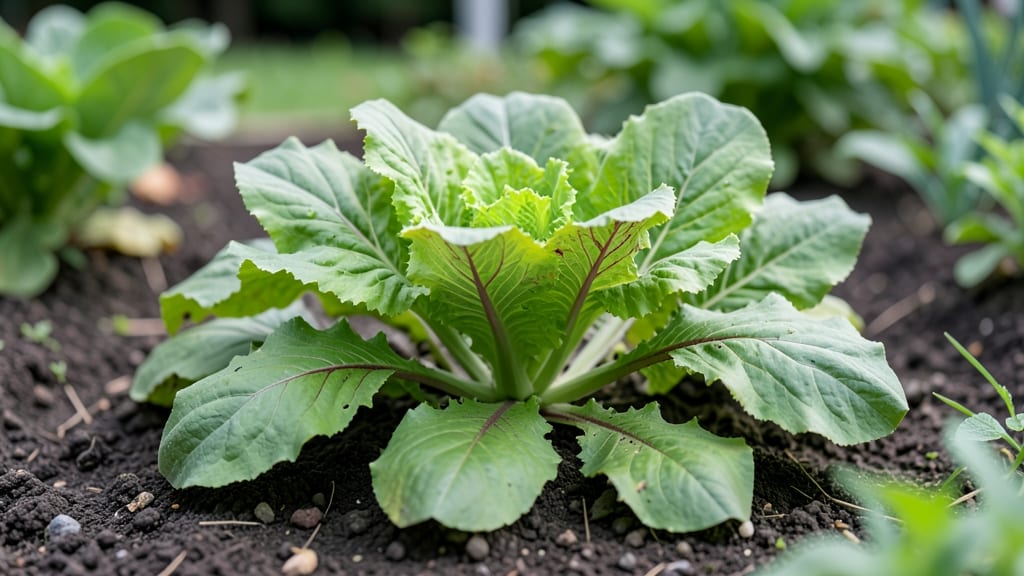
Growing loose leaf lettuce feels like cheating—fresh, tender greens in 30 days with almost zero effort. 🌱 I’ve grown it in containers, raised beds, and even under grow lights, and the secret isn’t fancy soil or expensive seeds—it’s timing, shade, and a few simple tricks that keep it sweet and productive all season long.
The real game-changer? Succession planting—sow a new batch every 2-3 weeks so you’re never without fresh leaves. Even in hot summers, shade cloth or a dappled spot under fruit trees keeps lettuce crisp instead of bitter.
And yes, you can grow it year-round in mild climates with a little winter protection.
By harvest time, you’ll be snipping outer leaves while the center keeps growing—no uprooting, no waste. The first batch taught me that loose leaf isn’t just a side dish; it’s the easiest, most rewarding vegetable to grow, even for black thumbs. Here’s how to make it work for you.
Whether you’re working with 5-gallon containers or a full garden bed, the same principles apply. The only mistake I made? Waiting until spring to plant—now I start seeds indoors in February for an early spring harvest. Let’s get those greens growing!
📚 In This Guide
- What you need
- Instructions
- Tips and common mistakes
- Wrapping up and next steps
What you need
- ● Loose leaf lettuce seeds: Choose varieties like Black Seeded Simpson, Buttercrunch, or Oakleaf (1–2 oz packet covers ~100 sq ft).
- ● Growing containers or garden bed: For containers: 6–12" deep pots (5–6" diameter per plant) or a long raised bed (at least 12" wide).
- ● For in-ground: Full sun to partial shade (4–6 hours/day), well-draining soil.
- ● Potting mix or garden soil: Lightweight, organic mix (avoid heavy clay). Add compost for nutrients.
- ● Watering can or hose with gentle spray nozzle: Lettuce hates soggy roots!
- ○ Row cover or shade cloth (optional but helpful): 30–50% shade fabric to protect from heat.
- ● Slow-release fertilizer: Pellets or granules (follow package rates for leafy greens).
- ● Seedling heat mat: For cool climates or early starts (70–75°F ideal).
- ● Organic mulch: Straw or grass clippings to retain moisture.
- ● Plant markers: Label varieties if growing multiple types.
Simple instructions for growing loose leaf lettuce
Here's the straightforward method I use to grow tender, crunchy lettuce all season long.
🌱 Step 1: Prepare Your Growing Space
Loose leaf lettuce thrives in full sun to partial shade, so choose a spot that gets at least 4-6 hours of sunlight daily. If growing in containers, use pots with drainage holes and place them where they'll receive morning sun and afternoon shade during hot summer months. The soil should be well-draining and rich in organic matter.
Before planting, loosen the top 6 inches of soil to help roots establish easily. If your soil is heavy clay, mix in 2-3 inches of compost to improve drainage and fertility. Lettuce prefers soil that stays consistently moist but never soggy—think of it like a damp sponge, not a dripping wet one.
☀️ Step 2: Plant Seeds at the Right Time
Sow seeds ¼ inch deep in rows spaced 12-18 inches apart. For a continuous harvest, plant new seeds every 2-3 weeks throughout the growing season. Lettuce grows best in cooler weather, so avoid planting during peak summer heat—it causes bolting (going to seed prematurely).
Keep the soil evenly moist until germination, which typically takes 7-14 days. You'll know it's time to water when the soil surface feels dry to the touch. Once seedlings emerge, thin them to stand 4-6 inches apart to give each plant room to grow. This prevents overcrowding and reduces competition for nutrients.
💧 Step 3: Maintain Consistent Moisture and Protection
Water lettuce deeply 1-2 times per week, depending on rainfall and temperature. The key is to keep the soil consistently moist—never let it dry out completely, but avoid waterlogging. Water in the morning so leaves have time to dry before evening, which helps prevent fungal diseases like downy mildew.
To protect your lettuce from pests like slugs and aphids, cover young plants with lightweight row fabric or a shade cloth. You'll notice healthier, more vibrant growth when pests are kept at bay. If you're growing in containers, check the soil moisture daily during hot weather—container soil dries out much faster than in-ground soil.
✂️ Step 4: Harvest for Continuous Yield
Start harvesting outer leaves when they reach 3-4 inches in length. Use clean scissors or fingers to snip or pluck leaves just above a lower leaf or the stem. This encourages the plant to keep producing new growth. You'll see fresh, tender leaves ready to harvest in as little as 4-6 weeks after planting.
For a year-round harvest, succession plant every 2-3 weeks. In warmer climates, opt for heat-tolerant varieties like 'Black Seeded Simpson' or 'Jericho' to avoid bolting. With this simple approach, you'll enjoy a steady supply of fresh, crisp lettuce without the hassle of waiting for a full head to mature.
Tips & tricks for perfect loose leaf lettuce
Here's what nobody tells you about growing lettuce that stays crisp and productive all season.
Sunlight Strategy: The 4-6 hours of sunlight recommendation is your baseline, but morning sun (especially before 10 AM) is more important than afternoon exposure. If you're in a hot climate, use shade cloth during peak afternoon heat to prevent bolting. I've found that partial shade in summer actually extends the harvest window by weeks.
Soil Moisture Secret: The "damp sponge" analogy is perfect—aim for soil that feels like a wrung-out sponge. Use a moisture meter or stick your finger 1-2 inches deep; if it's dry, water thoroughly. Mulching with straw helps maintain even moisture and keeps weeds down. I've seen lettuce bolt from inconsistent watering, so this step can't be skipped.
Harvest Timing: Those 3-4 inch leaves are the sweet spot, but don't wait until they're fully grown. Harvesting early encourages bushier growth and prevents bitterness. I harvest every 2-3 days during peak production—this keeps my plants producing for months instead of just a few weeks.
Pest Prevention: The row fabric recommendation works, but I've had better luck with diatomaceous earth for slugs and neem oil spray for aphids. Apply these preventatively before you see pests, not after. A single slug can decimate a young plant overnight, so don't wait until you spot damage.
Pro Tips for Loose Leaf Lettuce
- Here's what nobody tells you about growing lettuce that stays crisp and productive all season.
- Sunlight Strategy: The 4-6 hours of sunlight recommendation is your baseline, but morning sun (especially before 10 AM) is more important than afternoon exposure.
- Soil Moisture Secret: The "damp sponge" analogy is perfect—aim for soil that feels like a wrung-out sponge.
Frequently asked questions
Got questions about growing loose leaf lettuce?
You’re not alone! Here are some of the most common queries—plus straightforward answers to help you cultivate a thriving harvest.
How long does it take for loose leaf lettuce to mature?
Most varieties of loose leaf lettuce are ready to harvest in 30 to 50 days after sowing, depending on the type. Check the seed packet for specifics—some "cut-and-come-again" varieties can even be harvested in as little as 25 days!
Can I grow loose leaf lettuce in hot weather?
Loose leaf lettuce prefers cooler temperatures (60-65°F) and can bolt (go to seed) in heat. To beat the summer sun, try these tricks:
- Plant in early spring or fall for ideal conditions.
- Use shade cloth (30-50%) to protect plants.
- Choose heat-tolerant varieties like 'Black Seeded Simpson' or 'Jericho'.
What’s the best way to harvest loose leaf lettuce?
Harvest leaves by pinching them off at the base with clean scissors or fingers. Start with the outer leaves to encourage regrowth. For a full head, cut just above the lowest leaves—this keeps the plant producing!
Can I regrow loose leaf lettuce after cutting?
Unlike romaine or iceberg, loose leaf lettuce is cut-and-come-again. After harvesting, water the base, keep it in partial shade, and you’ll often get 2-3 more harvests from the same plant. Just avoid cutting more than 1/3 of the plant at a time.
What should I do if my loose leaf lettuce turns bitter?
Bitter taste usually means your lettuce is bolting (stressed by heat or age). To fix it:
- Harvest younger, inner leaves first—they’re milder.
- Move plants to cooler, shadier spots immediately.
- Try succession planting for a steady supply of fresh, tender leaves.
Pro Tip:
For year-round harvests, grow loose leaf lettuce in containers and move them indoors during extreme weather. A sunny windowsill or grow light can keep your greens thriving!
Wrapping up and next steps
Growing loose leaf lettuce is a rewarding journey that brings fresh, crisp greens straight to your table with minimal effort! Whether you're a seasoned gardener or just starting out, these three simple tricks—proper spacing, consistent watering, and smart harvesting—will set you up for a year-round harvest. 🌱
Now that you’re armed with the know-how, why not plant your first batch this week? Start small, experiment with varieties, and enjoy the satisfaction of homegrown greens. Happy gardening—your future salads will thank you! 🥗✨