
Planting
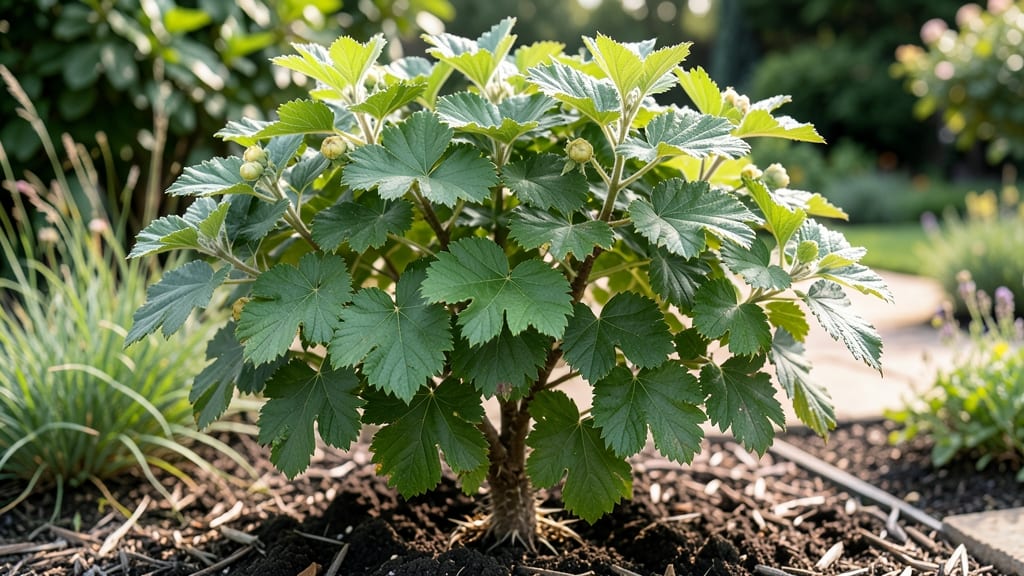
That five-leaf jagged-edge plant with its striking foliage might be the cannabis plant you've been admiring—though it's also a hemp variety or even a decorative relative like Cannabis ruderalis. 🌿 The signature serrated leaves and bold green hues make it a standout in any garden, and the best part?
It thrives with surprisingly little fuss once you know the basics. The secret to growing these plants lies in their adaptability: they handle partial shade, well-draining soil, and moderate watering better than you’d expect.
Most gardeners assume they need full sun, but even a few hours of morning light keeps them happy. I’ve grown mine in containers on a balcony with just 4-6 hours of sunlight daily, and they’ve stayed lush all season.
What you’ll end up with is a plant that’s equal parts ornamental and functional—whether you’re growing for fiber, foliage, or just the drama of its jagged leaves. Prune regularly to encourage bushier growth, and watch it fill out with vibrant, textured foliage that turns heads.
The key is consistency: too much water causes yellowing, but drought makes the leaves crisp—find that middle ground. Works for both indoor growers and outdoor gardeners, and it’s hard to kill once established. Perfect for adding bold texture to your garden with minimal effort—let’s get those leaves growing!
Root Causes Behind Jagged Edges
If your five-leaf plant (likely a Schefflera actinophylla or similar) is sporting jagged, uneven edges instead of its signature smooth, glossy foliage, don’t panic—it’s usually fixable! The issue stems from a mix of environmental stressors and care oversights.
Below, we break down the most common culprits and why they trigger this unsightly (but often reversible) problem.
Plants are sensitive to sudden temperature swings, and five-leaf plants are no exception. When exposed to cold drafts (like near AC vents, open windows in winter, or chilly garages), the edges of leaves can develop sharp, browned jaggedness—a condition called edge scorch. This happens because:
- Cellular dehydration: Cold air dries out leaf edges faster than the center, causing plasmolysis (when cells lose water and shrink). The edges become crispy and jagged as they die.
- Stress hormones: Abscisic acid (ABA), a plant stress hormone, accumulates in response to cold. ABA triggers premature leaf aging, including edge browning.
- Poor recovery: Unlike broadleaf plants, five-leaf plants have thinner edges, making them more vulnerable to irreversible damage if exposed repeatedly.
Actionable fix: Keep your plant in a stable 65–80°F (18–27°C) environment, away from drafts. Use a thermometer near the plant to monitor fluctuations.
While five-leaf plants thrive on consistent moisture, soggy soil is a silent killer. When roots sit in waterlogged conditions, they struggle to absorb oxygen, leading to:
- Root rot: Fungal pathogens like Phytophthora or Pythium thrive in wet soil, blocking nutrient uptake. The plant compensates by shedding damaged leaf edges.
- Nutrient imbalance: Excess water dilutes soil nutrients, causing manganese or iron deficiency, which manifests as jagged, yellowed edges.
- Osmotic stress: Overwatered roots can’t regulate water flow, leading to blistering or necrosis (dead tissue) on leaf margins.
Actionable fix:
- ✅ Use a well-draining mix (60% potting soil, 30% perlite, 10% orchid bark).
- ✅ Water only when the top 1–2 inches of soil are dry (stick your finger in to test!).
- ✅ Repot if roots are mushy or the soil smells sour—trim rotten roots with sterilized scissors and replant in fresh soil.
Direct sunlight can turn your plant’s lush leaves into crispy, jagged snacks. Here’s why:
- UV damage: Intense rays break down chlorophyll in leaf edges, causing photooxidation (cells literally “burn” from excess light).
- Transpiration imbalance: Bright light increases water loss, but if roots can’t keep up, edges dry out and curl into jagged points.
- Heat stress: Leaves near windows (especially south/west-facing) can reach 100°F+ (38°C+), cooking the edges from the inside out.
Actionable fix:
- 🔥 Move to bright, indirect light (east-facing windows or 3–5 feet from a west window).
- 🌡️ Use sheer curtains to diffuse harsh afternoon sun.
- 💧 Mist leaves lightly on hot days to reduce transpiration (but avoid soggy soil!).
Tiny invaders love feasting on tender leaf margins. Common culprits include:
| Pest | How It Causes Jagged Edges | Signs to Watch For |
|---|---|---|
| Spider mites | Pierce cells with their mouthparts, causing stippling (tiny dots) that expand into jagged holes as tissue dies. | Fine webbing on undersides, pale yellowing between veins. |
| Thrips | Scrape edges with serrated mouthparts, leaving silver streaks that harden into jagged lines. | Black fecal spots, distorted new growth. |
| Fungal leaf spot (e.g., Cercospora) | Infects edges via water splashes, creating necrotic (dead) patches that erode into jagged shapes. | Dark spots with yellow halos, often in humid conditions. |
Actionable fix:
- 🔍 Inspect leaves under a magnifying glass for pests. Wipe off mites/thrips with a soapy sponge (1 tsp mild soap per quart of water).
- 🌿 Neem oil spray (1 tbsp neem + 1 tsp dish soap per quart of water) every 5–7 days for fungal/bacterial issues.
- 🌡️ Reduce humidity (aim for 40–60%) to deter fungal growth—use a dehumidifier or fan.
Too much of a “good thing” can backfire. Five-leaf plants are sensitive to:
- Salt buildup: Over-fertilizing leaves sodium or chloride residues on soil/leaves, which osmotically dehydrate edges (like how salt dries out meat).
- pH imbalance: Soil pH <6.0 or >7.0 locks out nutrients (e.g., iron, manganese), causing interveinal chlorosis that progresses to jagged browning.
- Herbicide drift: If your plant is near treated lawns, glyphosate can cause necrotic leaf margins.
Actionable fix:
- 💧 Flush soil with water to leach salts (run water through the pot for 10 minutes).
- 📊 Test soil pH (ideal: 6.1–6.5). Amend with lime (to raise pH) or sulfur (to lower pH) as needed.
- ✨ Use organic fertilizer
Fixing Common Care Mistakes
Now that you know what might be causing your jagged-edge plant to struggle, let’s roll up our sleeves and get it back to its bold, healthy best! 🌿✨ Whether it’s overwatering, pests, or light issues, these fixes are simple, actionable, and designed to keep your plant thriving with minimal effort.
Fix it:
- Let the soil dry out – Stick your finger 1-2 inches into the soil. If it’s damp, wait before watering again. These plants prefer slightly dry conditions between waterings.
- Upgrade your pot – If your current container lacks drainage holes, transfer your plant to one with them. No holes? Poke a few with a nail or drill.
- Adjust your watering routine – Water deeply but infrequently. Aim for once every 1-2 weeks (adjust based on humidity and season).
Prevention tip: 🌡️ Use a moisture meter or the "knuckle test" (press your knuckle into the soil—if it springs back, it’s dry enough).
Fix it:
- If leaves are stretching or fading: Move your plant to bright, indirect light (east or north-facing windows are ideal). Avoid harsh afternoon sun, which can scorch the leaves.
- If leaves are drooping or yellowing: It might be too dim. Gradually introduce more light over a week to avoid shocking the plant. A grow light can help if natural light is lacking.
Pro tip: ✨ Rotate your plant every few weeks so all sides get even light exposure.
Fix it:
- Isolate the plant – Move it away from others to prevent spreading.
- Wipe down leaves – Use a damp cloth or mild soapy water (1 tsp dish soap per gallon of water) to remove pests like spider mites or aphids.
- Spray with neem oil (optional) – Mix 1 tsp neem oil with 1 quart of water and spray lightly on leaves (test on a small area first).
- Encourage beneficial insects – Ladybugs and lacewings love eating pests. Release them near your plant or plant pest-repelling herbs like basil nearby.
Prevention tip: 💡 Inspect new plants before bringing them home—quarantine them for a week to catch hitchhiking pests early.
Fix it:
- Check for underwatering – Brown, crispy edges often mean the plant is thirsty. Water thoroughly and monitor soil moisture.
- Test for fluoride or chemical buildup – If your tap water has high fluoride, switch to distilled or rainwater. Rinse the soil lightly with filtered water to flush out excess salts.
- Adjust humidity – Place a tray of pebbles with water nearby or use a humidifier, especially in dry climates.
Quick fix: 🥗 Trim damaged leaves with clean scissors to redirect energy to healthier growth.
Fix it: 1. Gently remove the plant from its pot and check the roots. If they’re circling tightly or poking out of drainage holes, it’s time to repot.
- Choose a slightly larger pot (1-2 inches wider) with fresh, well-draining soil.
- Trim any mushy or rotten roots before replanting.
Prevention tip: ✨ Repot every 2-3 years or when roots fill the container—this keeps your plant happy and prevents stress.
- Fertilize lightly – Use a balanced, diluted houseplant fertilizer every 2-3 months during spring and summer. Skip it in fall/winter. - Wipe leaves regularly – Dust buildup blocks light.
Use a damp microfiber cloth to keep foliage shiny and healthy. - Be patient – If your plant is severely stressed, it may take a few weeks to bounce back. Keep conditions stable and avoid over-tinkering.
Remember: Most issues with jagged-edge plants stem from overcare—they’re tougher than they look! 💪 Focus on drainage, light, and occasional checks, and your plant will reward you with lush, dramatic foliage for years.
Frequently asked questions
1What are the most common plants with five jagged-edged leaves?
The most iconic is the Schefflera actinophylla (Umbrella Plant), but similar foliage appears in Cannabis sativa (especially younger leaves), Hemp varieties, and Pothos varieties like 'Jagged Jade'. For ornamental use, the Five-Leaf Plant (Acalypha pendula) also fits this description with its serrated edges.
2Can I grow a jagged-edge plant indoors with artificial light?
Use a full-spectrum LED grow light (12-16 hours/day) placed 6-12 inches above the plant. These plants tolerate lower light better than most—just avoid direct overhead heat. A simple 15W bulb works for small pots, while larger plants need 20-30W for optimal growth.
3Why are my jagged-edge leaves turning brown at the tips?
This usually signals underwatering or fluoride buildup from tap water. Check soil moisture first—water when the top 1-2 inches are dry. If using tap water, try filtered or distilled instead. Brown tips can also mean low humidity (aim for 40-60%) or over-fertilizing (flush soil with water every 3 months).
4Are there any toxic varieties with jagged leaves?
Yes! The Umbrella Plant (Schefflera) is toxic if ingested (contains saponins), causing mouth irritation or stomach upset. Cannabis plants are also toxic to pets if consumed in large amounts. Always keep these plants out of reach of children and pets. For pet-safe alternatives, try Peperomia obtusifolia (Baby Rubber Plant) with similar texture.
5How do I prune jagged-edge plants for bushier growth?
Use clean bypass pruners to trim just above a leaf node at a 45-degree angle. Pinch back leggy stems to encourage branching. For Schefflera, cut back 1/3 of the stem length in spring to stimulate new growth. Always sterilize tools with rubbing alcohol to prevent disease.