
Planting
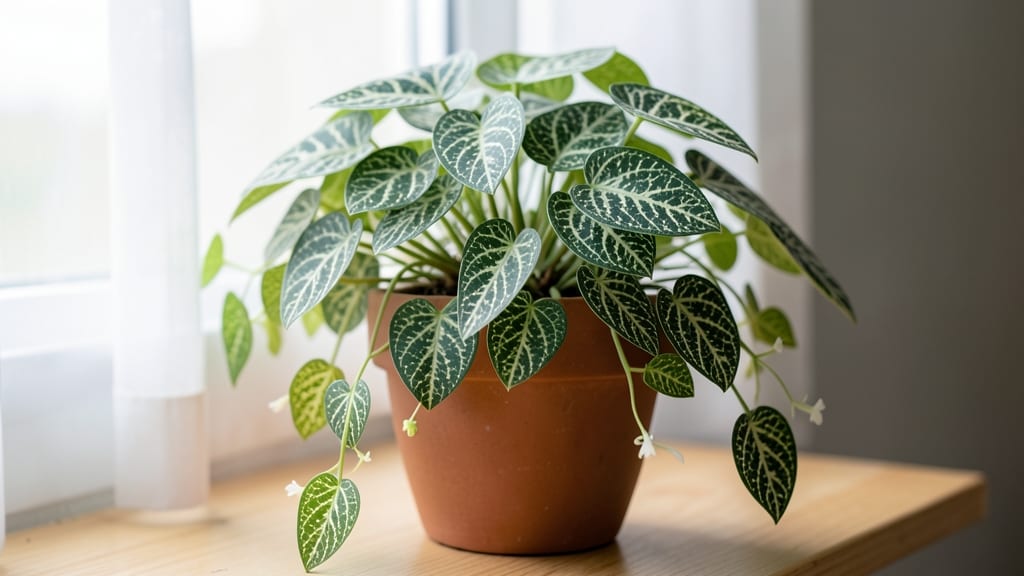
That striking small green-and-white leaf plant with lance-shaped leaves might be the Snake Plant—a shade-loving stunner that thrives with almost no fuss. 🌿 I’ve grown mine in everything from bright bathrooms to dim corners, and it always comes back stronger, its bold stripes more dramatic than any store-bought decor.
The secret to its success? Bright, indirect light (no scorching sun) and water only when the soil is bone-dry—overwatering is its kryptonite. Well-draining soil and a pot with drainage holes keep roots happy, while occasional dusting of the leaves keeps those variegated patterns popping.
Even beginners nail this one. You’ll end up with a low-maintenance plant that purifies the air and adds drama to any space. Mine’s been growing for three years, and it’s only just starting to outgrow its pot—proof that patience pays off in bold, healthy foliage.
For propagation, just snip a healthy leaf base and replant it. Yellowing leaves? Usually a watering issue. Pests? Rare, but wipe leaves with neem oil if you spot them. Let’s get yours thriving!
Root Causes Of Leaf Stress
Understanding why your small green-and-white variegated foliage develops stress—like yellowing, browning, or dulling—often starts with the environmental and biological factors pushing it beyond its comfort zone. These plants, often belonging to the Hosta, Helleborus, or Tradescantia families (among others), are sensitive to shifts in their growing conditions.
Below, we break down the most common culprits and the science behind them.
Variegated plants with small, lance-shaped leaves—like Hosta or Tradescantia—are prone to root rot when their soil stays soggy for too long. Here’s why:
- Oxygen Deprivation: Roots need oxygen to respire and absorb nutrients. When soil is waterlogged, oxygen levels drop, suffocating roots and triggering anaerobic conditions (🔬 lack of oxygen).
This forces roots to switch to inefficient fermentation, producing toxic byproducts like ethanol and acetaldehyde. - Fungal Invaders: Excess moisture creates the perfect breeding ground for pathogenic fungi like Phytophthora or Pythium.
These microbes cling to root surfaces, blocking water and nutrient uptake, leading to leaf discoloration (often yellowing or blackening edges). - Nutrient Lockout: Waterlogged soil binds essential minerals (e.g., nitrogen, phosphorus) too tightly, making them unavailable to the plant.
Without these, chlorophyll production suffers, dulling the white variegation and causing chlorosis (yellowing between veins).
Actionable Fix:
- Test your soil: Stick a finger 2 inches deep—if it’s damp after 48 hours, you’re overwatering.
- Amend soil: Mix in perlite, sand, or orchid bark (20-30%) to improve drainage.
- Repot if needed: If roots are mushy or black, trim the damaged sections with sterilized scissors and repot in fresh, well-draining mix.
Variegated leaves rely on balanced light to maintain their striking patterns. Too little sunlight throws off their photosynthesis game:
- Chlorophyll Overproduction: In low light, the plant compensates by producing more chlorophyll in green areas to maximize energy. This can overshadow the white variegation, making leaves appear uniformly green. - Weakened Cell Structure: Variegated cells (lacking chlorophyll) are metabolically dependent on their green counterparts.
Without enough light, these cells starve, leading to browning or necrosis (dead tissue) at the edges or tips. - Leggy Growth: Stretching toward light (etiolation) causes weak stems and smaller leaves, as the plant diverts energy to reach sunlight rather than develop foliage.
Actionable Fix:
- Gradual acclimation: Move your plant to bright, indirect light (e.g., near an east-facing window or under a sheer curtain). Avoid harsh direct sun, which can scorch delicate leaves.
- Grow lights: For indoor plants, use a full-spectrum LED grow light 6–8 inches above the plant for 12–14 hours/day.
- Rotate weekly: Turn the pot ¼ turn to ensure even light exposure and prevent lopsided growth.
Variegated plants often have higher nutrient demands due to their dual-cell structure (green + white). A deficiency or excess of key nutrients can disrupt their growth:
| Nutrient | Symptom | Cause | Solution |
|---|---|---|---|
| Nitrogen (N) | Yellowing between veins (chlorosis) | Overwatering leaches N; poor soil quality | Add balanced fertilizer (10-10-10) or compost. |
| Magnesium (Mg) | Yellow patches along veins | Acidic soil or over-fertilization | Apply Epsom salt (1 tbsp/gallon of water, monthly). |
| Iron (Fe) | White variegation fades to green | Alkaline soil locks out Fe | Use chelated iron supplement or adjust pH to 6.0–7.0. |
| Potassium (K) | Brown edges or weak stems | Underwatering or cold stress | Fertilize with potassium-rich formula (e.g., banana peel tea). |
Pro Tip 💡:
- Test your soil with a DIY kit (available at garden centers) to identify specific deficiencies.
- Feed lightly: Variegated plants are sensitive to salt buildup from fertilizers. Dilute fertilizers to half-strength and apply every 4–6 weeks in growing season.
Pests and pathogens target stressed plants first, and variegated varieties are often more vulnerable due to their slower growth:
- Aphids & Spider Mites: These sap-suckers inject toxins into leaves, causing stippling (white/yellow dots), curling, or sticky residue (honeydew).
Variegated leaves are softer targets because their white areas lack protective pigments. - Slugs & Snails: They prefer tender new growth, often nibbling the edges of variegated leaves, leaving ragged, irregular holes. - Powdery Mildew: A fungal disease thriving in humid, shaded conditions, it coats leaves in a white, powdery film, blocking light and clogging stomata (pores).
Actionable Fix:
- Isolate infected plants to prevent spread.
- Neem oil spray: Mix 1 tsp neem oil + 1 tsp mild soap + 1 quart water. Spray on both sides of leaves weekly until pests disappear.
- Diatomaceous earth: Sprinkle around the base (not on leaves) to deter slugs and mites.
- Improve airflow: Space plants 6–12 inches apart and prune nearby foliage to reduce humidity.
Variegated plants often originate from temperate or shaded climates and struggle with extreme conditions:
- Cold Stress: Temperatures below 40°F (4°C) can cause cold damage, visible as dark, water-soaked patches that later turn brown. Cell membranes rupture, disrupting nutrient flow. - Heat Stress: Above 90°F (32°C), leaves may wilting or scorch (brown, crispy edges).
High heat increases transpiration rates, pulling moisture from leaves faster than roots can replace it. - Low Humidity: Indoor environments (especially with heating/AC) drop humidity below 40%, causing desiccation. Variegated leaves lose moisture through stomata (pores), leading to dry, brittle edges.
Actionable Fix:
- Mulch heavily: Use 3–4 inches of organic mulch (e.g., shredded bark) to insulate roots in winter.
- Shade cloth: In summer, provide 30–50% shade to prevent heat stress.
- Humidifier or pebble tray: Place the pot on a tray of water + pebbles or use a humidifier near indoor plants. Aim for 50–60% humidity.
Even the hardiest variegated plants can reject sudden changes in their root environment:
- Root Pruning Trauma: When repotting, damaged roots (even minor cuts) can’t absorb water/nutrients efficiently, leading to wilting or yellowing.
- Soil pH Mismatch: Sudden shifts in acidity/alkalinity (e.g., moving from acidic peat to alkaline garden soil) can lock out nutrients like iron or manganese.
- Overcrowded Roots: Roots in a root-bound pot compete for resources, causing stunted growth and leaf discoloration.
Actionable Fix:
- Repot carefully: Use the soil-sleeve method—wrap the root ball in its existing soil when transferring to a new pot to minimize stress.
- Acclimate soil: Mix old soil (30%) with new soil (70%) when repotting to ease the transition.
- Avoid fertilizing immediately: Wait 4–6 weeks post-repotting to let roots recover before feeding.
Quick Fixes for Common Issues
Reviving your small green-and-white variegated leaf plant—whether it’s a Pilea peperomioides, Fittonia (nerve plant), or another shade-loving beauty—just takes a little troubleshooting. Below are practical, step-by-step solutions for the most frequent problems, plus prevention tips to keep your plant thriving long-term.
Cause: Soggy soil cuts off oxygen roots need, leading to rot and yellowing. Fix: 🔥 Step 1: Gently remove the plant from its pot and inspect the roots. Healthy roots are firm and white; rotted roots are mushy and brown. 🍳 Step 2: Trim away any mushy roots with sterilized scissors (dip in rubbing alcohol). 👨🍳 Step 3: Repot in fresh, well-draining soil (mix potting soil with perlite or orchid bark for aeration). ⏰ Step 4: Water only when the top 1–2 inches of soil are dry—stick your finger in to check!
Prevention Tip: 💡 Use a pot with drainage holes and avoid saucers that trap excess water.
Cause: Crispy edges mean your plant is thirsty or the air is too dry. Fix: 🔥 Step 1: Water deeply until liquid drains from the bottom—but don’t let it sit in water. 🥘 Step 2: Increase humidity by:
- Placing the pot on a pebble tray with water (never touching the pot).
- Mist leaves 2–3 times a week (avoid soggy centers).
- Grouping plants together to create a micro-climate.
Prevention Tip: 🌡️ Invest in a hygrometer to monitor humidity (ideal: 50–70%).
Cause: Stretching toward light means your plant isn’t getting enough indirect brightness. Fix: 🔥 Step 1: Move to a brighter spot—near an east or north-facing window is perfect. 🍳 Step 2: Rotate the pot quarter-turn weekly so growth stays even. 👨🍳 Step 3: If natural light is limited, supplement with a grow light (12–14 hours/day).
Prevention Tip: ✨ Avoid direct sun—variegated leaves can scorch!
Cause: Tiny invaders suck sap, causing white webbing or cottony clusters. Fix: 🔥 Step 1: Isolate the plant to prevent spreading. 🥘 Step 2: Wipe leaves with a soapy water solution (1 tsp mild soap per quart of water). 🔪 Step 3: For stubborn pests, use neem oil spray (1 tsp neem oil + 1 tsp dish soap + 1 quart water).
Prevention Tip: 🎯 Inspect new plants before bringing them home—quarantine for 2 weeks!
Pro Tip: 🌟 Trim damaged leaves with clean scissors to encourage fresh growth. Your plant will bounce back faster!
Need more help? Check your plant’s soil, light, and watering habits—90% of issues stem from these three! 🌿
Frequently asked questions
What are the most common types of small green-and-white leaf plants?
The most popular varieties include Snake Plants (Sansevieria), Pothos (Epipremnum aureum), Fittonia (Nerve Plant), and Hosta. Each has lance-shaped leaves with striking variegation, but they thrive in different light conditions—Snake Plants handle low light, while Fittonia needs bright indirect light.
How often should I water my small variegated leaf plant?
Water only when the top 1–2 inches of soil are completely dry. Most of these plants prefer underwatering over soggy soil—overwatering causes root rot. Check soil moisture with your finger before watering, and always use pots with drainage holes.
Why are the white parts of my plant's leaves turning green?
This usually means your plant isn't getting enough bright, indirect light. Variegated leaves rely on balanced light to maintain their patterns. Move it to a sunnier spot (but avoid direct sun) or supplement with a grow light for 12–14 hours/day. Gradual changes prevent shock.
Can I propagate my small green-and-white leaf plant at home?
Most varieties propagate easily. For Snake Plants, cut a healthy leaf into sections and replant. For Pothos, snip a stem with nodes and place it in water or soil. Keep the new cuttings in bright, indirect light and maintain moderate humidity until roots form (usually 2–4 weeks).
What should I do if my plant's leaves are developing brown tips?
Brown tips often signal low humidity or fluoride buildup from tap water. Increase humidity with a pebble tray or humidifier, and switch to filtered or distilled water. Avoid misting leaves directly—focus on the air around the plant. If the issue persists, check for overwatering or underwatering issues.