
Planting
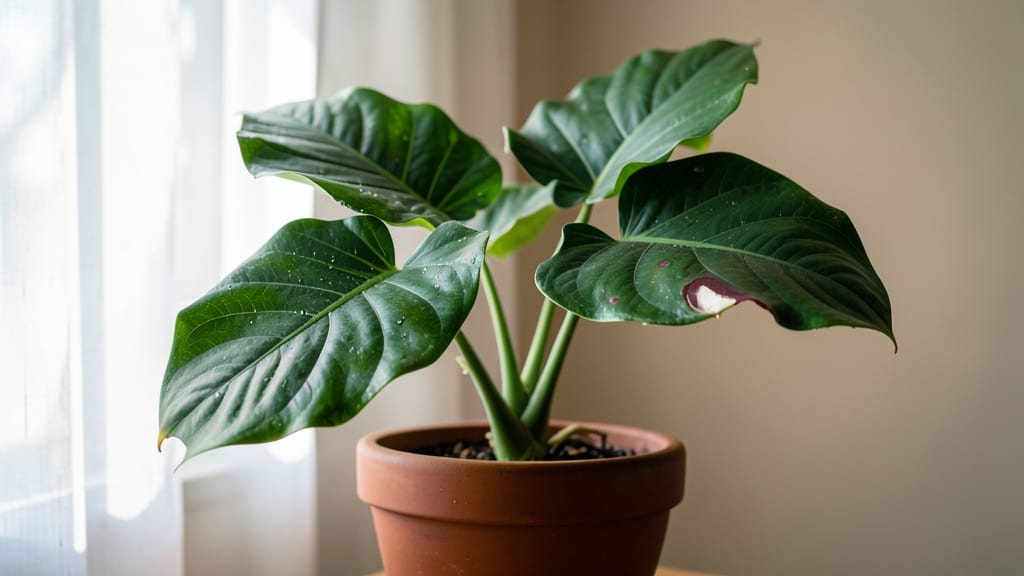
That five-leaf plant that looks like pot with trailing vines is Epipremnum aureum—the perfect legal substitute for gardeners craving that "pot" look without the legal trouble. 🌿 I’ve grown this plant for years, and it’s the go-to for anyone who loves the aesthetic of cannabis but wants something completely legal and easy to care for.
The plant thrives in bright, indirect light but can tolerate low light too—making it ideal for bathrooms, offices, or shady corners. Its glossy, heart-shaped leaves grow on trailing vines that can stretch up to 10 feet in the right conditions, creating a lush, green curtain.
Water when the top inch of soil feels dry, and use well-draining potting mix to keep roots happy.
Yellowing leaves? Overwatering or poor drainage is usually the culprit. Leggy growth? It’s begging for more light. With the right care, you’ll have a thriving, fast-growing plant that looks stunning and stays legal. Perfect for beginners or anyone who wants a low-maintenance, high-impact houseplant.
Propagation is a breeze—just snip a stem with a few leaves, dip it in water, and place it in fresh soil. Within weeks, you’ll have a new plant ready to trail over shelves or climb a trellis.
The soil mix should be light and airy, like a blend of potting soil and perlite, to prevent root rot.
Common mistakes include letting the soil stay soggy or placing it in direct sunlight, which can scorch the leaves. But once you get the hang of it, this plant is nearly impossible to kill.
It’s the ultimate "set it and forget it" green thumb helper—just like the plant it’s often mistaken for, but with none of the drama.
Root Causes Of Leaf Distortion
Understanding why your five-leaf plant starts resembling a pot—with thick, rounded, or malformed leaves—often boils down to a mix of environmental stress and care missteps.
While the plant in question (Leonotis leonurus, aka "lion’s tail" or "wild dagga") isn’t a true marijuana substitute, its leaf shape can still become distorted due to these scientifically backed triggers. Let’s break down the most common culprits and how they mess with your plant’s growth.
Plants are sensitive to extreme temperatures, and Leonotis leonurus thrives in warm climates (USDA Zones 9-11). When exposed to consistent heat above 90°F (32°C) or sudden temperature swings, the plant’s metabolic processes go into overdrive—or shut down.
- How it happens:
- Heat stress: High temperatures cause stomatal closure (tiny leaf pores) to prevent water loss, leading to thickened, waxy leaves that resemble a pot’s surface.
- Cold shock: Dropping below 50°F (10°C) can stunt cell division, resulting in small, puckered leaves that look stunted.
- Poor airflow: Trapped heat in pots or greenhouses increases humidity, promoting fungal issues that distort leaves.
Actionable fix:
- Use lightweight, breathable pots (terracotta or fabric) to improve airflow.
- Mulch soil to regulate temperature and retain moisture.
- Provide afternoon shade in hot climates to prevent scorching.
Water is the lifeblood of your plant, but improper hydration is a leading cause of leaf deformities. Leonotis leonurus prefers moderate moisture—not soggy soil, not drought.
- How it happens:
- Overwatering: Saturated soil drowns roots, cutting off oxygen and causing edema (waterlogged cells that swell leaves into a pot-like shape).
- Underwatering: Dry soil triggers osmotic stress, where roots struggle to absorb nutrients, leading to crinkled, brittle leaves.
- Inconsistent watering: Fluctuating moisture levels confuse the plant, causing uneven growth and distorted leaves.
Actionable fix:
- Check soil moisture with your finger—water when the top 1-2 inches are dry.
- Use well-draining soil (60% potting mix, 30% perlite, 10% compost).
- Water at the base (not leaves) to avoid fungal buildup.
Like a car running on bad fuel, plants struggle with poor nutrition. Leonotis leonurus needs a balanced NPK (Nitrogen-Phosphorus-Potassium) ratio, but imbalances lead to leaf malformations.
- How it happens:
- Excess nitrogen (N): Leads to soft, dark green leaves that grow thick and rounded (like a pot’s surface).
- Phosphorus (P) deficiency: Causes purple-tinged, stunted leaves due to poor energy transfer.
- Potassium (K) deficiency: Weakens cell walls, resulting in crinkly, curled edges.
- Micronutrient lack (magnesium, calcium): Leads to interveinal chlorosis (yellowing between veins), distorting leaf shape.
Actionable fix:
- Use a balanced liquid fertilizer (10-10-10 or 20-20-20) every 4-6 weeks during growing season.
- Flush soil every 3 months to prevent salt buildup.
- Epsom salt (magnesium sulfate) can help if leaves show yellowing between veins.
If your plant’s roots are crowded or suffocating, it sends distress signals—manifesting as thick, pot-like leaves.
- How it happens:
- Root-bound plants: When roots circle the pot, they compete for nutrients, causing stunted, malformed growth.
- Compacted soil: Heavy clay or poor drainage restricts oxygen, leading to root rot and distorted leaves.
- Wrong pot size: Too small = stress; too large = overwatering risks.
Actionable fix:
- Repot every 1-2 years in a container 1-2 inches larger than the current one.
- Use fast-draining soil (add sand or coconut coir if natural soil is heavy).
- Check for root rot: If roots smell foul or are mushy, trim affected areas and repot.
Insects and fungi sap nutrients and physically damage leaves, forcing the plant to grow abnormally.
- How it happens:
- Aphids & spider mites: Suck sap, causing yellowing, curling, and thickened leaves.
- Fungal infections (powdery mildew): Create a white, crusty layer that distorts leaf structure.
- Bacterial leaf spot: Causes dark, water-soaked patches that warp growth.
Actionable fix:
- Inspect leaves weekly for pests—spray with neem oil if needed.
- Improve airflow (prune nearby plants, avoid overcrowding).
- Remove infected leaves and treat with copper fungicide if mildew appears.
Leonotis leonurus loves full sun (6+ hours/day), but light stress can turn leaves into odd shapes.
- How it happens:
- Too much sun: Causes sunburn (bleached, crispy edges) and thickened leaves as a protective measure.
- Too little light: Leads to etoliation (long, weak stems with small, pale leaves).
Actionable fix:
- Gradually acclimate plants to sunlight (harden off for 1-2 weeks).
- Use shade cloth (30-50%) if in extreme heat.
- Rotate pots weekly for even light exposure.
Most leaf distortions in Leonotis leonurus are fixable—they’re your plant’s way of screaming for help! By addressing temperature, water, nutrients, pot health, pests, and light, you’ll restore those leaves to their natural, elegant shape. 🌿✨
Quick Fixes for 5-Leaf Wonder
Got a five-leaf plant thriving but looking more like a struggling pot plant than a lush garden star? Don’t panic—most issues have simple, actionable fixes! Below, we’ll break down the most common problems and how to turn things around with minimal effort.
Prevention tips included so you can keep your plant looking vibrant for years.
Symptoms: Yellowing leaves, mushy stems, or water pooling at the base.
How to Fix It: 🔥 Step 1: Drain the Damage
- Gently remove the plant from its pot and inspect the roots. If they’re black, slimy, or crumbling, they’re rotting.
- Trim away the bad roots with sterilized scissors (wipe with rubbing alcohol).
🍳 Step 2: Repot with Fresh Soil
- Use a well-draining potting mix (add perlite or sand if yours is too dense).
- Choose a pot with drainage holes—no exceptions!
👨🍳 Step 3: Adjust Your Watering Routine
- Wait until the top 1–2 inches of soil are dry before watering again.
- Water deeply but less frequently—think "soak and dry" cycles.
⏰ Step 4: Monitor & Adapt
- Stick your finger in the soil daily for a week to gauge moisture levels.
- If the plant recovers, you’re on the right track!
💡 Prevention Tip:
- Use a moisture meter or the "knuckle test" (stick your knuckle into the soil—if it’s damp, wait).
- Group plants with similar water needs together to avoid confusion.
Symptoms: Crispy, brown leaf edges, wilting despite damp soil, or a dull, thirsty appearance.
How to Fix It: 🌡️ Step 1: Hydrate Immediately
- Soak the pot in room-temperature water for 10–15 minutes. Let excess water drain completely.
- If the soil is rock-hard, bottom-watering (placing the pot in a tray of water) helps.
🎯 Step 2: Boost Humidity (If Needed)
- Mist the leaves lightly 2–3 times a week (avoid soggy leaves).
- Place a pebble tray under the pot or use a humidifier nearby.
🔥 Step 3: Check Your Water Source
- Use filtered or rainwater if your tap water is harsh (chlorine/salt buildup can stress plants).
- Let tap water sit out for 24 hours before using.
💡 Prevention Tip:
- Mulch the soil with a thin layer of organic material (like coconut coir) to retain moisture.
- Group plants together to create a microclimate that holds humidity better.
Symptoms: Pale yellow leaves (chlorosis), stunted growth, or leaves with brown spots along veins.
How to Fix It: 📊 Step 1: Test Your Soil
- Grab a DIY soil test kit (or send a sample to a local nursery).
- Common deficiencies: Nitrogen (yellow leaves), Potassium (weak stems), or Iron (yellow between veins).
💪 Step 2: Feed It Right
- Quick fix: Use a balanced liquid fertilizer (like 10-10-10) diluted to half-strength.
- Slow-release option: Mix slow-release granules into the topsoil.
- Organic boost: Compost tea or worm castings work wonders for long-term health.
🥗 Step 3: Adjust Light & Airflow
- Deficiencies often worsen in low light—move your plant to bright, indirect sunlight (6+ hours/day).
- Ensure good airflow (but avoid drafts) to help roots absorb nutrients efficiently.
💡 Prevention Tip:
- Fertilize every 4–6 weeks during growing season (spring–fall).
- Flush the soil every few months with water to prevent salt buildup from fertilizers.
Symptoms: Sticky residue (aphids), white webbing (spider mites), or chewed leaves (caterpillars).
How to Fix It: 🔪 Step 1: Isolate & Inspect
- Move the plant away from others to prevent spreading.
- Check undersides of leaves and stems for pests.
🌿 Step 2: Natural Remedies First - Neem oil spray: Mix 1 tsp neem oil + 1 tsp mild soap + 1 quart water.
Spray every 5–7 days until pests vanish. - Insecticidal soap: Target soft-bodied pests like aphids (follow package instructions). - DIY garlic spray: Blend 2 garlic cloves + 1 tsp oil + 1 quart water. Strain and spray.
🛡️ Step 3: Physical Removal
- For larger pests (like slugs or caterpillars), pick them off by hand or use a soapy water spray.
- Sticky traps near the plant can catch flying insects.
💡 Prevention Tip:
- Inspect new plants before bringing them home (quarantine for a week).
- Encourage beneficial insects (like ladybugs) by planting marigolds or basil nearby.
Symptoms: Leaf drop, bleached patches, or slow growth despite proper watering.
How to Fix It: 🌡️ Step 1: Find the Sweet Spot
- Ideal temps: 65–75°F (18–24°C) during the day, no lower than 50°F (10°C) at night.
- Avoid: Drafts, heating vents, or direct AC airflow.
🔥 Step 2: Optimize Light Exposure
- Too little light? Move closer to a south-facing window or use a grow light (12–14 hours/day).
- Too much sun? Filter light with a sheer curtain or move to an east-facing window.
🌿 Step 3: Rotate for Even Growth
- Turn the pot quarter-turn weekly so all sides get equal light.
💡 Prevention Tip:
- Use a thermometer near your plant to monitor temps.
- In winter, group plants together to retain warmth.
Final Thought: Most "pot plant" struggles come down to water, light, or love—and your five-leaf wonder is no exception! Start with one fix at a time, keep an eye on progress, and soon, you’ll have a thriving, legal-approved green machine that’s the envy of the garden. 🌿✨
Frequently asked questions
Is this five-leaf plant really legal everywhere?
Yes! The plant we’re discussing—Epipremnum aureum (Pothos)—is completely legal and grows naturally in tropical regions like Southeast Asia. It’s often confused with cannabis because of its leaf shape, but it’s a harmless, fast-growing vine that thrives indoors. Always double-check local regulations if you’re unsure about any plant, but Pothos is safe for all US states and most countries.
How fast does this plant grow compared to cannabis?
Pothos grows much faster than cannabis—expect 6-12 inches per month under ideal conditions! With proper care (bright indirect light and occasional pruning), it can reach 10 feet or more in a single year. Cannabis typically grows 1-2 feet per month in optimal greenhouse conditions, so this plant will outpace it while staying legal and low-maintenance.
Can I grow this plant in water instead of soil?
Pothos thrives in water propagation—just place a stem cutting with 2-3 leaves in a jar of clean water and change it weekly. Roots will appear in 2-4 weeks, and you can transplant it to soil later. This method is great for beginners and produces faster growth than soil propagation. Just avoid direct sunlight on water cultures to prevent algae growth.
Why are my Pothos leaves turning yellow?
Yellowing leaves usually mean overwatering or poor drainage. Let the top 1-2 inches of soil dry out between waterings and ensure your pot has drainage holes. Brown edges with yellowing suggest low humidity—try misting leaves or placing a pebble tray under the pot. If yellowing starts at the bottom leaves, it’s natural aging (prune those off to encourage new growth).
How do I make my Pothos grow bushier instead of just vines?
Prune the vines back by 1/3 when they get too long, and place the cuttings in water to propagate new plants. The plant will respond by growing new shoots from the nodes (leaf junctions). You can also pinch off the growing tip to encourage branching. Use a well-draining soil mix and provide bright indirect light to promote bushier, fuller growth.