
Pests and Diseases
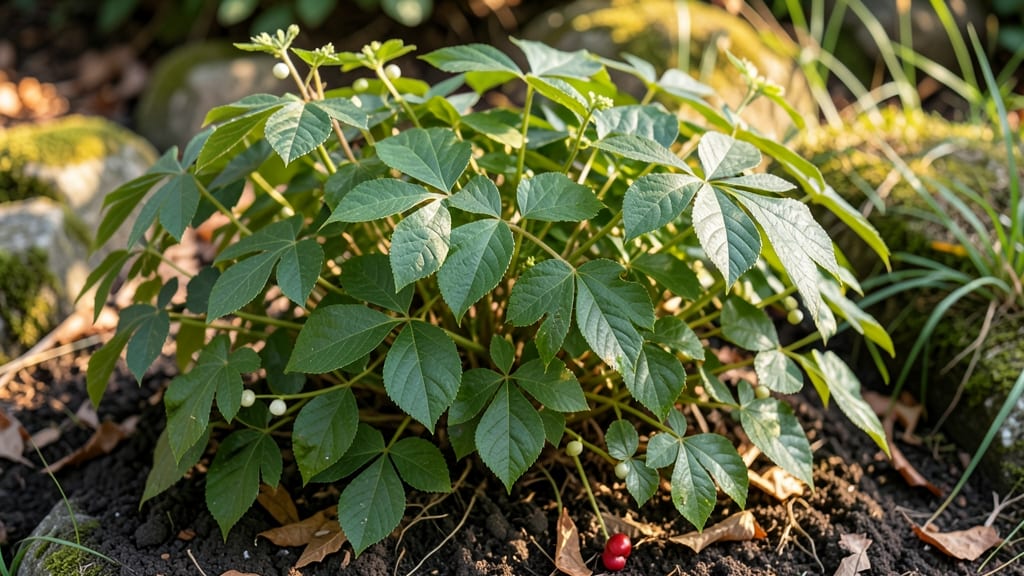
Identifying five-leaf poison ivy means spotting its glossy green leaves in clusters of three, long stems, red-tinged growth, and white berries. The plant's urushiol oil triggers blistering rashes in most people, so immediate skin washing and avoidance are critical after exposure.
This plant's distinctive leaf pattern—three leaflets with pointed edges—sets it apart from harmless lookalikes like Virginia creeper. 🌿 The oil urushiol lingers on skin, tools, and pets for weeks, so even indirect contact can cause reactions.
I always recommend wearing gloves and long sleeves when working near suspected patches, as the rash can appear within hours of exposure.
Seasonal changes reveal more clues: leaves turn red in fall, and berries appear in late summer. If you're unsure, snap a photo and compare it to reliable sources before touching—mistaking it for harmless plants like boxelder can lead to painful consequences.
Prevention starts with proper identification and quick action if you suspect contact.
💡 In This Article
- How to Identify Poison Ivy by Leaf Patterns and Plant Features
- Safe Removal and Prevention Tips for Outdoor Areas
How to identify poison ivy by leaf patterns and plant features
The three-leaflet pattern is poison ivy's most reliable identifier, but the devil is in the details. Each leaflet typically measures 2-6 inches long with smooth or slightly toothed edges, and they're arranged alternately along a reddish-brown stem.
The middle leaflet usually has a longer stem than the side leaflets, creating an asymmetrical look that sets it apart from Virginia creeper (which has five leaflets) or boxelder (with compound leaves and samaras). 🌿
Seasonal changes reveal additional clues: in spring, new leaves emerge bright red before turning green, while in fall, they develop a fiery red or orange hue.
The white berries that appear in late summer are actually fruit clusters containing 1-3 seeds each, and birds often spread these seeds, causing new infestations.
What's often overlooked is the plant's vine form—it can grow as a shrub, vine, or ground cover, adapting to various environments from forests to urban sidewalks.
The urushiol oil that causes allergic reactions isn't just on the leaves—it's in every part of the plant, including the roots. This oil can remain active on tools, clothing, or pets for up to 5 years if not properly cleaned.
Even burning poison ivy releases urushiol into the air, creating dangerous airborne particles. The rash develops when urushiol penetrates the skin, triggering an immune response that causes blisters and intense itching within 12-48 hours in sensitive individuals.
Common misidentifications often stem from confusing poison ivy with harmless plants. Virginia creeper has five leaflets (not three) and blue-black berries, while boxelder features 7-9 leaflets and winged seeds.
Another trick is to look for the "hairy" appearance on the underside of poison ivy leaves when held up to light—though this isn't always visible.
The old rhyme "Leaves of three, let it be" is helpful, but remember: poison ivy can also appear with more than three leaves when leaflets are divided further.
Lighting conditions affect identification too. In shade, poison ivy leaves appear darker green with less visible veins, while in sunlight, their glossy surface reflects light more prominently.
The stems often develop a glossy sheen when young, and the roots can form aerial structures called "rootlets" that help the plant cling to surfaces. These features, combined with the leaf pattern, create a distinctive profile that becomes easier to recognize with practice.
For definitive identification, consider these key features together: three leaflets, longer middle stem, reddish stems, white berries, and glossy leaves. When in doubt, use a camera to compare with reliable sources before attempting removal—mistakes can lead to painful consequences.
The more you observe these patterns, the quicker you'll spot poison ivy in any environment. 🔍