
Plants
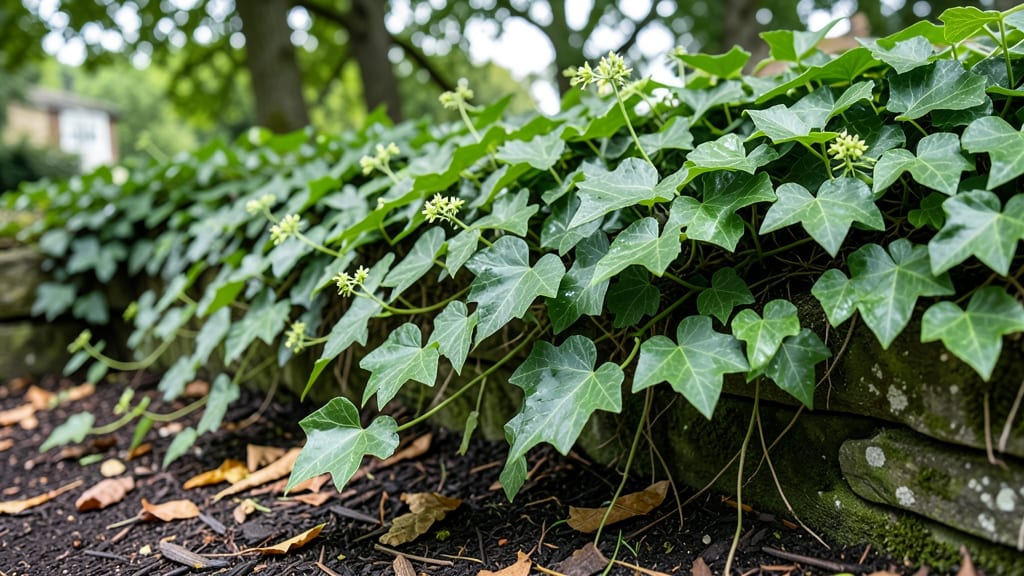
My five-leaf vine weed invasion started with one tiny vine creeping up the fence—now it’s a tangled mess that chokes everything in sight. 🌿 This aggressive climber (Paederia foetida) spreads faster than kudzu and looks pretty while strangling your garden’s real stars.
The good news? It’s beatable with the right strategy, whether you’re dealing with a small patch or full-blown takeover.
Here’s the hard truth: this weed thrives because it’s sneaky. It smothers other plants, drops seeds everywhere, and even survives mowing.
But its biggest weakness? It can’t compete with thick mulch or targeted removal. I’ve pulled hundreds of pounds of this stuff by hand, and while it’s tedious, it works—especially when combined with vinegar spray or herbicide for stubborn roots. The key is acting fast before it spreads underground.
What you’ll learn here is how to identify it (those five leaves are a dead giveaway), pull it out without regrowth, and stop it from coming back for good.
No fancy tools needed—just elbow grease and persistence. By the end, your garden will breathe again, and that fence will finally be yours.
We’ll also cover regional hotspots where this weed runs wild (southeast U.S. and tropical climates, look out!) and how to prevent reinfestation so you’re not fighting the same battle next year. Let’s reclaim your yard—one vine at a time.
Root Causes Of Unwanted Spread
If your garden or landscape has suddenly become a battleground for 5-leaf vine weed (or Pentalala), you’re not alone. This hardy, fast-growing plant thrives in conditions that many gardeners unintentionally create.
Understanding why it takes over is the first step to reclaiming control. Below, we break down the science—and the real culprits—behind its relentless growth.
The 5-leaf vine weed is a master at capitalizing on soil that’s been recently disturbed or enriched. Here’s why:
- Nutrient Surge: If you’ve recently amended your soil with compost, fertilizer, or even fresh mulch, the weed detects the nutrient spike and sends out aggressive runners. Its shallow roots absorb these nutrients faster than many native plants, giving it a competitive edge. Pro tip: 💡 Avoid heavy fertilization in areas prone to weed invasion—opt for slow-release, balanced formulas instead.
- Loose Soil Structure: Digging, tilling, or even heavy foot traffic aerates the soil, creating perfect conditions for its sprawling vines. The more gaps in the soil, the easier it is for the weed to anchor and spread. Actionable fix: 🔥 Use a soil stabilizer like wood chips or a dense mulch layer (3–4 inches) to compact the surface and block light.
- Compaction from Construction: Newly landscaped areas or spots where soil was moved (e.g., after installing a patio or garden bed) are prime real estate for this weed. Its seeds lie dormant until the ground settles, then germinate en masse. Prevention tip: ✨ Lay down landscape fabric before adding mulch or plants to smother existing seeds.
This weed is a sun-seeker, but its success isn’t just about light—it’s about outcompeting other plants. Here’s how it exploits sunlight:
- Full-Sun Hotspots: Areas with <6+ hours of direct sunlight per day (common in lawns, driveways, or south-facing slopes) give the weed an energy boost. Its broad leaves soak up UV rays to fuel rapid vine growth. Solution: 🌡️ Plant dense ground covers like creeping thyme or clover to shade out the weed naturally.
- Thin Canopy Cover: If your garden has sparse plantings or struggling shrubs, the weed fills the gaps. Its vines climb over weaker plants, blocking their sunlight and stranglehold-style smothering them. Garden hack: 🎯 Prune overgrown plants to open up airflow and reduce shaded microclimates where weeds thrive.
- Reflective Surfaces: Pavement, concrete, or even light-colored mulch reflect heat, creating a microclimate that supercharges weed growth. The heat accelerates seed germination and vine elongation. Fix: 🔥 Swap reflective mulch for dark brown or black options to absorb heat instead of amplifying it.
Water is the gas pedal for 5-leaf vine weed growth. Poor irrigation habits turn your yard into a weed buffet. Here’s how:
| Issue | Why It Helps the Weed | Fix It Now |
|---|---|---|
| Overwatering | Weeds like consistent moisture. Drip irrigation or sprinklers that run daily create the perfect soggy conditions for its roots to expand. Even light, frequent watering (e.g., every 2–3 days) signals the weed to grow faster. | Switch to deep, infrequent watering (1–2 times per week) to encourage deeper root growth in desired plants. |
| Poor Drainage | Low spots or clay-heavy soil trap water, creating anaerobic zones where the weed’s roots thrive. Its tolerance for waterlogged conditions makes it a nuisance in soggy areas. | Amend soil with sand or perlite to improve drainage, or install French drains in problem zones. |
| Splash Back from Irrigation | Sprinklers or hose streams can launch weed seeds onto sidewalks, driveways, and garden beds. Once landed, they germinate quickly in damp soil. | Use soaker hoses or drip irrigation to deliver water at ground level and avoid splash. |
By addressing these root causes—soil conditions, light exposure, and water habits—you’ll starve the weed of the resources it needs to dominate. The key? Disrupt its comfort zone before it becomes a permanent fixture in your landscape.
How to Fix It Naturally
When your five-leaf vine (or any invasive foliage) starts taking over, the key is acting fast with the right mix of removal, prevention, and maintenance. Below, we break down solutions by the most common causes—so you can tackle the issue head-on without harsh chemicals or excessive effort.
If your vine is just growing too fast or spreading where you don’t want it, pruning and containment are your best friends.
🔪 Step-by-Step Pruning Guide
- Identify the Problem Areas 📍
- Locate where the vine is creeping into unwanted spaces (e.g., sidewalks, driveways, or other plants).
- Check for runners (horizontal stems) spreading underground or along the soil.
- Cut Back Aggressively (But Safely) ⏰
- Use clean, sharp pruners or shears to snip runners at the base.
- For thick stems, a hack saw or loppers work best.
- Pro Tip: Wear gloves—some vines (like kudzu) can cause skin irritation! 🧤
- Remove the Roots (If Possible) 🌿
- Dig up any exposed roots or underground runners with a garden fork.
- Dispose of clippings in trash bags (not compost)—they can regrow!
- Mulch to Suppress Regrowth 🌡️
- Apply a thick layer of mulch (wood chips or straw) around the base to block sunlight and discourage new shoots.
💡 Prevention Tips
- Plant Barriers: Use landscape fabric or metal edging to block runners from spreading.
- Regular Checks: Inspect your garden weekly during growing season to catch early spread.
- Choose Competitive Plants: If the vine keeps returning, plant fast-growing ground covers (like clover or creeping thyme) to outcompete it.
If your five-leaf vine is looking wilting, spotted, or chewed, pests or diseases might be to blame.
🦟 Common Culprits & Fixes
| Issue | Signs | Solution |
|---|---|---|
| Aphids/Spider Mites | Sticky residue, yellowing leaves | Spray with neem oil or soapy water (1 tbsp mild soap per quart of water). 🧼 |
| Fungal Spots | Brown/black patches on leaves | Remove infected leaves, improve airflow, and apply copper fungicide. 🍄 |
| Root Rot | Mushy stems, foul smell | Repot in well-draining soil, reduce watering, and ensure pots have drainage holes. 💧 |
🔥 Prevention Tips
- Avoid Overwatering: Let soil dry between waterings to prevent fungal growth.
- Inspect New Plants: Quarantine new additions for 2 weeks to spot pests early.
- Encourage Beneficial Bugs: Ladybugs and lacewings love eating aphids—plant marigolds nearby to attract them! 🐞
If your vine is struggling due to light, water, or temperature, tweaking its environment can revive it.
🌞 Light & Water Fixes
- Too Much Sun? Move to partial shade (especially in hot climates).
- Too Little Sun? Gradually introduce morning sunlight to avoid shock.
- Overwatered? Let soil dry out—five-leaf vines hate soggy roots! 🚫💦
- Underwatered? Water deeply 2-3 times a week (adjust for climate).
🌡️ Temperature & Humidity Tips
- Cold Snaps? Move potted vines indoors or cover them with frost cloth.
- Dry Air? Mist leaves daily or use a pebble tray for humidity.
- Heat Stress? Provide afternoon shade and water more frequently.
If nothing else works, consider targeted herbicides—but only as a last option.
- Glyphosate (Roundup): Effective for large infestations, but kill all plants it touches—use carefully! ⚠️
- Vine-Specific Herbicides: Look for triclopyr-based sprays (e.g., Ortho Brush Killer).
- Application Tips:
- Spray only on leaves (not soil) to avoid harming other plants.
- Reapply after rain—it washes off quickly.
- Wear protective gear (gloves, mask, long sleeves).
✨ Better Alternative: Solarization
For ground-level vines, try solarization:
- Cover the area with clear plastic for 4-6 weeks in hot sun.
- The heat kills roots and seeds without chemicals.
- Best for spring or fall when temps are high but not extreme.
Keep your five-leaf vine lush and contained with these easy habits: ✅ Prune 2-3 times a year (spring, summer, fall). ✅ Check for pests monthly—early action prevents outbreaks. ✅ Fertilize lightly (balanced 10-10-10) once a month in growing season. ✅ Rotate planting spots if growing in pots to prevent soil depletion.
By following these targeted fixes, your five-leaf vine will stay healthy, controlled, and drama-free—no fuss required! 🌿✨
Frequently asked questions
What's the difference between five-leaf vine weed and Virginia creeper?
Both have five leaves, but five-leaf vine weed (Paederia foetida) has smooth-edged leaves and grows as a sprawling ground cover, while Virginia creeper (Parthenocissus quinquefolia) has toothed leaf edges and climbs trees with suction cup-like tendrils. The weed also smells foul when crushed, unlike Virginia creeper.
Can I use vinegar to kill five-leaf vine weed?
Yes, but it requires full-strength white vinegar (5% acetic acid) mixed with 1 tablespoon dish soap per gallon. Spray directly on leaves (avoid desirable plants) on a sunny day. Reapply every 3-5 days for 2-3 weeks—it works best on young growth. For stubborn roots, dig them out after treatment.
Why does this weed keep coming back after I pull it?
Five-leaf vine weed spreads through underground runners and dropped seeds. If you don't remove the entire root system (including horizontal roots), new shoots will emerge. For stubborn patches, use a shovel to sever roots 6+ inches deep or apply corn gluten meal as a pre-emergent.
Is five-leaf vine weed toxic to pets or humans?
While not highly toxic, it can cause skin irritation in sensitive individuals and may upset stomachs if ingested in large amounts. The real concern is its aggressive spread—it can smother native plants and reduce biodiversity. Always wear gloves when handling it.
What's the best time of year to remove five-leaf vine weed?
Target removal in late spring or early summer when the plant is actively growing but before it sets seeds. In warmer climates, fall treatment (September-October) prevents winter regrowth. Avoid treating during drought—stressed plants may not absorb herbicides effectively.