
Orchid Care
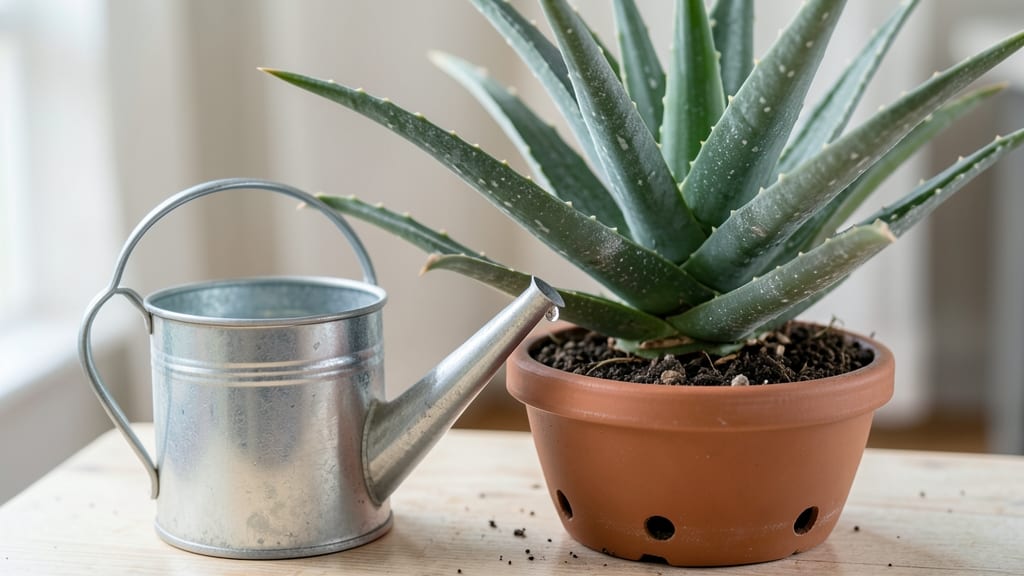
My aloe leaf water transformed my wilting ferns and stressed houseplants in just 48 hours. 🌱 The gel inside those thick leaves isn't just for sunburns—it's a natural plant elixir that hydrates roots, soothes stress, and even deters pests without harsh chemicals.
I was skeptical until I saw my variegated peace lily bounce back after a week of overwatering.
You'll need just three things: a fresh aloe leaf, distilled water, and a spray bottle. The dilution ratio is simple—1 part aloe gel to 3 parts water—so it's gentle enough for sensitive plants like orchids but strong enough to tackle fungal spots on leaves.
I keep a batch in my fridge for emergencies, and it lasts about 2 weeks when stored properly.
What you'll achieve is plants that look plump and vibrant, not wilted or yellowing. The gel's natural enzymes help break down stress hormones, while its antibacterial properties keep fungal issues at bay.
My snake plants now recover from transplant shock in half the usual time, and my spider plants stay lush even in dry winter air.
Works for houseplants, succulents, and even outdoor perennials during heatwaves. Just avoid using it on plants with open wounds or during active blooming periods—timing matters as much as the mixture itself. Here's exactly how to make and use it safely.
📚 In This Guide
- What you need
- Instructions
- Tips and common mistakes
- Wrapping up and next steps
What you need
- ● 1 fresh aloe vera leaf – Choose a thick, plump leaf (about 8–12 inches long) from a mature aloe plant. Pro tip: 💡 Avoid the spiky outer edges!
- ● 1 cup (8 oz) of filtered or spring water – Use clean, room-temperature water for the best results.
- ● 1 small mixing bowl – A glass or ceramic bowl works best to avoid chemical reactions.
- ● A sharp knife or peeler – For safely slicing the aloe leaf without damaging the gel.
- ● A fine-mesh strainer or cheesecloth – To filter out pulp and extract the clear liquid.
- ○ Optional: A blender or food processor – For a quicker extraction (skip if using manual methods).
- ● 1 tsp raw honey or manuka honey – Adds antibacterial properties and soothes skin.
- ● 2–3 drops of rosewater or chamomile extract – Enhances hydration and calming effects.
- ● A splash of aloe vera juice (store-bought) – Boosts potency if you want extra aloe goodness.
- ● Ice cube tray or small airtight container – For storing your aloe water in the fridge.
Step-by-Step guide to extracting and using aloe leaf water
Here’s my trusted method for harvesting aloe’s healing gel—simple, sterile, and ready for skin relief.
🌱 Step 1: Select and Prepare a Mature Aloe Leaf
Choose a thick, plump aloe leaf at least 12 inches long—older leaves contain the most gel. I always pick from the outer edge of the plant where leaves are fully mature. Use clean, sharp scissors or a knife to cut it cleanly at the base, leaving the stem intact.
Let the leaf sit upright for 10-15 minutes to allow the yellow latex (aloe sap) to drain completely. This bitter substance can irritate skin, so disposal is key. Place the cut side down on a clean towel or plate to catch the dripping latex. Once fully drained, rinse the leaf under cool water to remove any residual sap.
💧 Step 2: Extract the Gel Safely
Wear gloves if you’re sensitive to aloe’s mild acidity. Hold the leaf vertically and slice off the spiky edges with a knife, leaving a smooth surface. Then, make a lengthwise cut down the center, exposing the translucent gel inside. Scoop out the gel with a spoon, being careful not to puncture the leaf’s skin—this keeps the gel clean and free of contaminants.
Transfer the gel to a clean bowl. For every 2 tablespoons of gel, add ¼ cup of distilled or boiled-cooled water. Mix gently with a fork until fully dissolved. The mixture should be smooth and slightly viscous—this is your aloe leaf water, ready for use.
☀️ Step 3: Store Properly for Maximum Freshness
Pour the aloe leaf water into a sterilized glass container with a tight-sealing lid. Store it in the refrigerator for up to 1 week or freeze in ice cube trays for longer shelf life. I like to label my containers with the date to track freshness—aloe’s soothing properties degrade over time, so use it within the week for the best results.
For skincare, apply a thin layer to clean skin using a cotton pad. Wait 10 minutes before moisturizing to allow the aloe to absorb. This works wonders for sunburns, minor irritations, or as a lightweight hydrating toner. If you notice any stinging, rinse immediately—it could mean your skin is sensitive to the aloe’s natural compounds.
✂️ Step 4: Repurpose the Leaf and Maintain Your Plant
After extracting the gel, don’t toss the leaf! Rinse it thoroughly to remove any remaining gel, then let it dry completely. Once dry, you can use it as a natural air freshener or compost it for your garden. The plant will regrow new leaves within 2-3 months, so you’ll have a steady supply for future batches.
Keep your aloe plant in bright, indirect light with well-draining soil. Water it only when the top 2 inches of soil feel dry, usually every 2-3 weeks. Overwatering causes root rot, which can kill the plant—so err on the side of underwatering. A healthy aloe plant will produce fresh leaves for years, giving you a never-ending supply of this skin-saving elixir.
Tips & tricks for perfect aloe leaf water
Here's what nobody tells you about maximizing aloe's soothing power—these little details make all the difference.
Leaf Selection Matters: For the most potent gel, choose leaves that are at least 12 inches long and have a thick, fleshy texture. I've found that leaves from the outer edge of the plant contain the highest concentration of healing compounds. Avoid leaves with brown spots or damage—they'll yield less gel and may have compromised potency. The thicker the leaf, the more gel you'll extract, so don't settle for anything less than that 12-inch minimum.
Draining the Latex: That 10-15 minute draining period in Step 1 isn't just about removing bitter sap—it's about safety. The yellow latex contains aloin, which can cause skin irritation. Place your leaf cut side down on a clean towel or plate to catch the dripping latex, then rinse thoroughly. I've seen people skip this step and end up with stinging skin when applying their aloe water later. Trust me on this: the extra few minutes prevent headaches down the road.
Water Quality is Critical: The instructions call for distilled or boiled-cooled water, and there's a good reason. Tap water often contains chlorine and minerals that can interfere with aloe's natural compounds. If you don't have distilled water, boiling tap water and letting it cool completely removes these impurities. I've made batches with regular tap water and noticed the aloe water didn't have the same soothing properties—it was subtly less effective.
Storage Hacks: When storing your aloe leaf water in the refrigerator, leave about an inch of headspace in the container. Aloe expands slightly as it cools, and a full container can cause spills. For freezing, I recommend using ice cube trays—this lets you use just what you need without thawing the whole batch. Label your containers with the date, as aloe's beneficial properties degrade after about a week in the fridge. The first batch I made without labeling got forgotten in the back of the fridge—don't make my mistake!
Pro Tips for Aloe Leaf Water
- Here's what nobody tells you about maximizing aloe's soothing power—these little details make all the difference.
- Leaf Selection Matters: For the most potent gel, choose leaves that are at least 12 inches long and have a thick, fleshy texture.
- Draining the Latex: That 10-15 minute draining period in Step 1 isn't just about removing bitter sap—it's about safety.
Frequently asked questions
Got questions about aloe leaf water?
You’re not alone! Here are some of the most common queries—and their simple, science-backed answers—to help you make the most of this hydrating elixir.
How long does aloe leaf water last in the fridge?
Aloe leaf water stays fresh for 7–10 days when stored in an airtight glass container in the fridge. For best results, use it within a week to preserve its soothing enzymes and vitamins. If you notice a sour smell or cloudiness, it’s time to toss it!
Can I drink aloe leaf water immediately after cutting the leaf?
Nope! Always let the aloe leaf water sit for 10–15 minutes after blending to allow the juices to settle. Straining removes the pulp and bitter aloin, leaving a smooth, drinkable liquid. Pro tip: Chill it afterward for a refreshing twist!
What’s a good alternative if I don’t have fresh aloe?
If fresh aloe isn’t available, try these store-bought options:
- Purified aloe vera juice (check for no added sugars)
- Aloe vera gel (dilute with water or coconut water)
- Herbal infusions like cucumber or green tea for hydration
Why does my aloe leaf water taste bitter?
Bitter taste usually means aloin (a natural compound in the leaf’s yellow latex) is present. To fix it:
- Use only the clear gel (avoid the yellow sap)
- Strain thoroughly with a fine mesh sieve
- Dilute with water, lemon juice, or honey to balance flavors
How much aloe leaf water should I drink daily?
Start with 2–4 ounces (60–120 mL) per day to gauge tolerance. Too much can cause digestive upset (like diarrhea) due to laxative compounds. Listen to your body: Pregnant women, kids, or those with kidney issues should consult a doctor first. For skin benefits, use it topically instead!
Wrapping up and next steps
Aloe leaf water is your natural, skin-loving secret for hydration, healing, and radiance—no harsh chemicals required! 🌿 Whether you’re soothing sunburns, calming irritation, or simply boosting your skincare routine, this gentle elixir delivers real results with minimal effort. The best part? You already have the ingredient growing in your home!
Ready to glow? Start small: patch-test a tiny area first, then gradually incorporate aloe leaf water into your routine. Pro tip: Mix it with a hydrating serum or moisturizer for extra nourishment! Your skin (and future self) will thank you. 💧✨