
Pests and Diseases
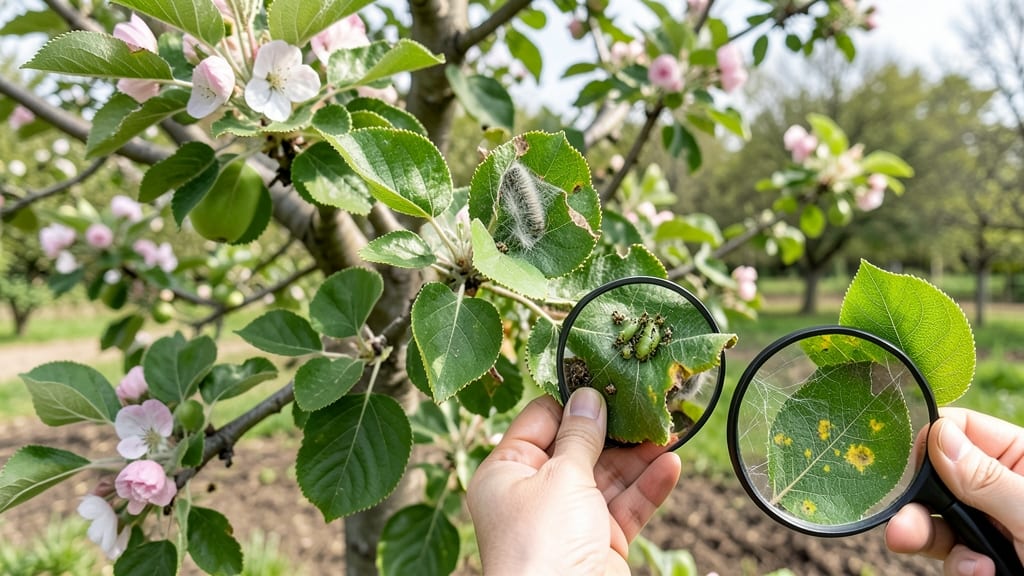
Apple leaf pests turn your orchard into a chewed-up mess faster than you can say "harvest season." 🌿 I've battled aphids, spider mites, and even fungal scab on my own trees, and the key to saving your apples lies in targeted sprays—not just random spraying.
The right solution stops the damage while keeping bees and beneficial insects safe.
Most problems start small: tiny webs under leaves, sticky residue on branches, or speckled brown spots. Aphids cluster on new growth, spider mites create fine webbing, and apple scab turns leaves into unsightly messes.
The good news? Neem oil, horticultural soap, and copper fungicide work wonders when applied at the right time—before pests take over completely.
You'll see fresh green leaves within 2-3 weeks of treatment, and the fruit stays blemish-free for a cleaner, sweeter harvest. The secret is consistency: check leaves weekly during spring and summer, and act fast at the first sign of trouble. No more wasted apples or disappointed neighbors!
Works for home orchards, community gardens, and even container-grown apple trees. Here's how to make your trees pest-free without harsh chemicals—naturally and effectively.
Root Causes Of Leaf Damage
Apple trees are resilient, but their leaves become prime targets for pests due to a mix of environmental, biological, and even human factors. Understanding these underlying causes is key to preventing outbreaks and protecting your orchard.
Below, we break down the science behind why apple leaf pests thrive—and how they wreak havoc on your trees.
🌱 Weakened Tree Defenses
Apple trees rely on a robust immune system to fend off pests, but when their defenses are compromised, they become easy prey. Here’s how it happens:
- Nutrient Deficiencies: Trees lacking essential nutrients like nitrogen, phosphorus, or potassium struggle to produce strong leaves. Weak foliage is less able to repel pests like aphids, mites, or leafhoppers, which thrive on tender, nutrient-poor tissue.
- Water Stress: Overwatering or drought can weaken a tree’s cellular structure, making leaves more susceptible to infestations. Pests like the apple leafcurling midge target stressed trees because their sap is easier to access.
- Disease Pressure: Fungal infections (e.g., apple scab or powdery mildew) create entry points for pests. For example, the woolly apple aphid often infests trees already weakened by fungal diseases, feeding on the damaged areas.
Actionable Fix: Conduct a soil test to address deficiencies, and maintain consistent moisture levels to keep trees healthy.
🌿 Ideal Pest Environments
Pests don’t just appear out of nowhere—they’re drawn to specific conditions that make your apple tree a five-star hotel. These environmental triggers turn your orchard into a pest paradise:
- Warm, Humid Climates: Many apple pests, like the codling moth (which targets leaves and fruit), thrive in temperatures between 70–85°F (21–29°C). High humidity also encourages fungal growth, which pests often exploit.
- Overcrowded Orchards: Poor air circulation from dense planting allows pests to spread rapidly. For instance, apple leafroller caterpillars hide in tightly packed foliage, making them harder to spot and control.
- Debris and Mulch Buildup: Leaves, fallen fruit, and thick mulch layers provide shelter for overwintering pests. The spotted tentiform leafminer lays eggs in leaf litter, ensuring a fresh infestation come spring.
Actionable Fix: Prune for better airflow, remove debris regularly, and consider mulching sparingly to disrupt pest habitats.
🐛 Pest Life Cycles and Timing
Many apple pests have synchronized life cycles that align with the tree’s growth phases. Missing these windows can lead to uncontrollable outbreaks:
| Pest | Peak Activity Period | Why It Matters |
|---|---|---|
| Apple Aphids | Spring (March–May) | They reproduce rapidly in new growth, weakening leaves before they fully develop. |
| Apple Sawfly Larvae | Late Spring–Early Summer | They skeletonize leaves, leaving behind a lace-like pattern that stunts photosynthesis. |
| Scale Insects | Summer–Fall | They secrete honeydew, attracting sooty mold and further stressing the tree. |
Actionable Fix: Monitor pest activity with sticky traps or pheromone lures, and apply targeted sprays before peak emergence.
🌍 Human Contributions
Sometimes, well-meaning gardening practices inadvertently invite pests. Here’s how human habits play a role:
- Overuse of Broad-Spectrum Pesticides: Chemicals that kill beneficial insects (like ladybugs or lacewings) remove natural predators, allowing pest populations to explode. For example, after a neonicotinoid spray, apple leaf beetles may surge unchecked.
- Poor Sanitation: Failing to clean pruning tools or remove mummified fruit can spread pests like the apple maggot from tree to tree.
- Resistant Variety Neglect: Planting susceptible apple varieties (e.g., McIntosh) in high-risk areas without preventive measures sets the stage for recurring infestations.
Actionable Fix: Rotate organic and targeted sprays, sterilize tools with rubbing alcohol, and choose disease-resistant cultivars when possible.
Fixing Foliage Foes Naturally
Apple trees are resilient, but when pests like aphids, mites, or caterpillars invade, their leaves can turn into a buffet of destruction. The good news? You don’t need harsh chemicals to reclaim your tree’s health.
Below are targeted, practical solutions tailored to common apple leaf pests—plus prevention tips to keep them from returning.
Signs: Sticky residue (honeydew), curled or yellowing leaves, ants trailing up the trunk.
How to Treat It: 🔥 Blast Them Away – Use a strong stream of water (from a hose) to dislodge aphids from leaves and stems. Repeat every 3–4 days until they’re gone.
🍳 Soapy Spray Solution – Mix 1 tsp mild liquid soap (like castile) + 1 quart water in a spray bottle. Test on a small leaf first, then spray directly on clusters of aphids. Reapply after rain.
👨🍳 Neem Oil Defense – Combine 1 tbsp neem oil + 1 tsp dish soap + 1 quart water. Spray early morning or late evening (avoid direct sun) to suffocate aphids and deter future infestations.
✨ Pro Tip: Ladybugs and lacewings are natural aphid predators—invite them to your garden by planting dill, fennel, or marigolds nearby!
Signs: Fine webbing on leaves, stippled (speckled) or bronzed foliage, tiny moving dots.
How to Treat It: 💦 Wash Off Webs – Spray leaves with water to remove webs and dislodge mites. Do this daily for a week during early infestations.
🌡️ Hot Pepper Spray – Blend 1 chili pepper (or 1 tbsp cayenne) + 1 quart water, strain, and add 1 tsp soap. Spray directly on mites—they’ll avoid the spicy mix!
🎯 Horticultural Oil – Apply dormant oil (like Neem or refined oil) in early spring or fall to smother mite eggs. Reapply every 7–10 days until control is achieved.
💡 Prevention: Mulch with straw to retain moisture—mites thrive in dry conditions!
Signs: Ragged holes in leaves, rolled or tied leaves, frass (black droppings).
How to Treat It: 🔪 Handpick & Drop – Wear gloves, pluck caterpillars into a soapy water bucket (they’ll drown instantly). Check under leaves and fruit clusters daily.
🍎 Bt (Bacillus thuringiensis) Spray – A natural bacterial pesticide (safe for bees!), mix 1 tsp Bt powder + 1 quart water. Spray evenly on leaves—caterpillars stop eating within hours.
🌿 Row Covers – For early season prevention, drape fine mesh netting over young trees to block egg-laying moths.
✨ Pro Tip: Birds love caterpillars! Hang bird feeders or plant native berry bushes to attract their help.
Signs: Black spots, moldy growth, or leaf drop after pest infestations.
How to Treat It: 🍄 Baking Soda Fungicide – Mix 1 tbsp baking soda + 1 tsp oil + 1 quart water. Spray weekly to prevent fungal growth on damaged leaves.
🌧️ Improve Airflow – Prune crowded branches and thin fruit to reduce humidity—fungi love damp, shaded conditions.
💪 Copper Spray – For severe cases, use copper fungicide (like Bordeaux mixture) following label instructions.
To keep pests at bay, combine these habits into your orchard care routine:
- 🌿 Mulch Properly – Use wood chips or straw (not grass clippings) to deter pests and retain moisture. - 🍃 Prune Strategically – Remove dead wood and dense foliage in late winter to reduce hiding spots. - 🕰️ Monitor Regularly – Check leaves weekly (especially undersides) for early signs of pests. - 🐝 Support Beneficial Insects – Plant clover, yarrow, or dandelions to attract ladybugs, lacewings, and parasitic wasps. - 🌱 Rotate Sprays – Avoid overusing one treatment—pests adapt!
Alternate between soapy water, neem, and Bt.
Final Thought: A little consistent care goes a long way. With these targeted fixes, your apple tree’s leaves will bounce back—spotless and thriving—in no time! 🍏✨
Frequently asked questions
What are the most common apple leaf pests I should watch for?
The top culprits are aphids (tiny green/black clusters), spider mites (fine webs + speckled leaves), leafrollers (tied leaves with frass), and apple scab fungus (black spots). Check undersides of leaves weekly during spring/summer—early detection is key!
How do I tell if my apple tree has spider mites vs. aphids?
Mites create fine webbing on leaves and cause stippling (tiny yellow dots), while aphids leave sticky honeydew and curled leaves. Examine leaves with a magnifying glass—mites are microscopic red dots, aphids are larger green/black bugs.
Can I use neem oil on apple trees when fruit is present?
Yes, but apply it early morning or late evening to avoid sunburn. Neem oil is safe for fruit when used correctly—just avoid spraying directly on blossoms during bloom. Always follow label instructions for dilution (typically 1 tbsp per quart of water).
Why do my apple leaves keep getting holes even after treatment?
Persistent holes often mean leafrollers or tent caterpillars are still active. Try Bt spray (Bacillus thuringiensis) for caterpillars or handpick larvae into soapy water. Also check for bird activity—they love caterpillars too!
How often should I spray my apple tree for pests?
Start with preventive sprays every 2-3 weeks during growing season, then increase to weekly if you spot early signs. Rotate treatments (neem oil, soapy water, Bt) to prevent resistance—consistency beats occasional heavy spraying!