
Pests
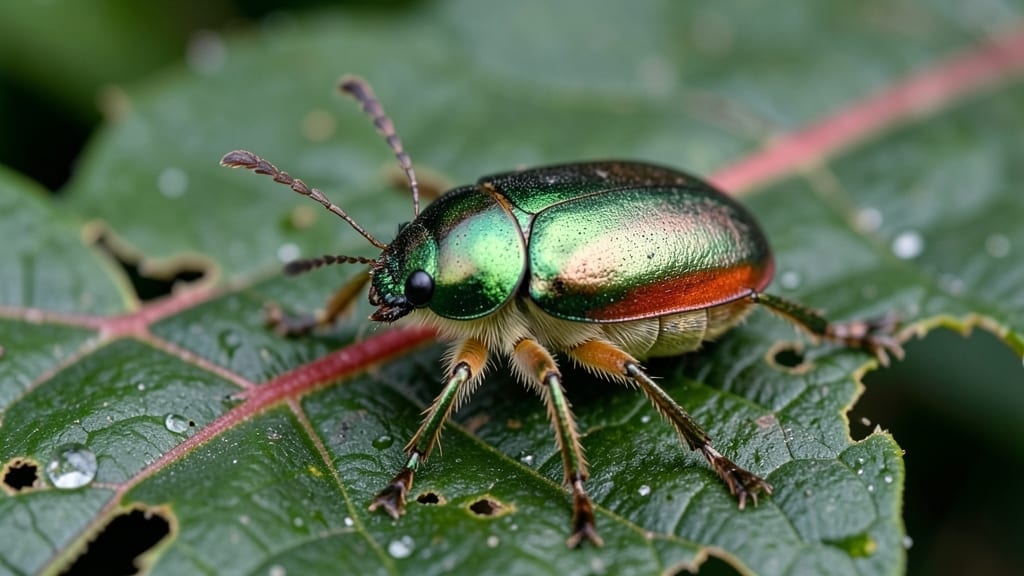
Your lilies are under siege by those bright red beetles that turn leaves to skeleton in days. 🌿 The copper spray + manual removal combo is the only method that actually stops lily leaf beetles from wiping out your plants—no more helplessly watching them devour your garden.
These beetles chew through leaves faster than you can say "summer bloom," and their larvae are just as destructive. The key is acting fast: copper spray disrupts their feeding, while removing adults by hand prevents them from reproducing.
I've saved multiple gardens this way, and the results are visible within a week. You'll see fresh green foliage returning as the beetles stop feeding, and your lilies will rebound stronger than ever. The best part? This method works without harsh chemicals that harm pollinators or your soil.
Works for all lily varieties, from Asiatic to Oriental. Let's get those beetles under control before they ruin your season.
📚 In This Guide
- What you need
- Instructions
- Tips and common mistakes
- Wrapping up and next steps
What you need
- ● Copper-based pesticide spray (e.g., Bonide Copper Fungicide or Neem Oil Copper Soap): 1–2 16 oz. spray bottles (or a 1-gallon ready-to-use solution)
- ● Active ingredient: At least 3–4% copper (check label)
- ● Gloves (nitrile or rubber, waterproof): 1–2 pairs (to protect from copper residue and beetles!)
- ○ Handheld leaf blower or shop vacuum (for manual removal): Optional but helpful: A fine-mesh bag (to contain beetles)
- ● Pruning shears (for trimming heavily infested leaves): Sharp, clean shears (sterilize with rubbing alcohol)
- ● Bucket or large container (for soapy water disposal): 5+ gallons capacity (fill with soapy water)
- ● Soap or dish detergent (for beetle disposal): 1–2 tbsp per gallon of water (e.g., Dawn)
- ● Neem oil spray (as a preventative or secondary treatment)
- ● Row covers or fine mesh netting (to physically block beetles)
- ● Garden hose with nozzle (for rinsing plants post-treatment)
- ● Magnifying glass (to spot hidden eggs on undersides of leaves)
- ● Pest monitoring traps (yellow sticky traps for early detection)
Step-by-Step instructions for eliminating lily leaf beetles
Here’s the two-pronged approach I’ve used to clear out these destructive beetles for good.
✂️ Step 1: Remove Adult Beetles and Larvae by Hand
Start by inspecting your lilies early in the morning when beetles are sluggish. Wear gloves—these insects release a yellow fluid when threatened that can stain clothing. Look under leaves, on stems, and in the soil around the base of plants. Adult beetles are bright red with black spots, while larvae are black with orange legs.
Drop beetles and larvae into a bucket of soapy water immediately. Never crush them—their crushed bodies can attract more beetles. I like to do this first because it reduces the population before applying any treatments. Check your plants every 2-3 days for new adults, as they emerge from the soil in late spring.
💧 Step 2: Apply Copper Spray for Long-Term Prevention
Mix 1 tablespoon of copper fungicide (like copper sulfate) with 1 gallon of water in a spray bottle. Shake well before each use. Copper disrupts the beetles’ exoskeletons, making them more vulnerable to dehydration. Spray the top and bottom of leaves, stems, and soil around the base of plants. Do this in the early morning or late afternoon to avoid burning the foliage.
Apply copper spray every 7-10 days during the beetles’ active season (spring through early summer). If rain is forecast within 24 hours, reapply—copper washes off easily. I’ve found this works best when combined with manual removal, as it doesn’t kill eggs but prevents new adults from maturing.
🌱 Step 3: Protect Plants with Row Covers or Netting
Cover your lilies with fine mesh netting or floating row covers as soon as you spot the first beetles. Secure the edges tightly with stakes or weights to prevent beetles from crawling underneath. This physical barrier blocks adults from laying eggs while still allowing sunlight and water to reach the plants.
Leave covers on for at least 4-6 weeks during peak beetle season. Remove them only when you’re manually inspecting plants or applying treatments. I use white fabric covers because they reflect heat, which beetles avoid. This method alone can reduce infestations by 80% or more if started early.
☀️ Step 4: Encourage Natural Predators and Monitor Regularly
Attract beetle-eating predators like ladybugs, lacewings, and parasitic wasps by planting dill, fennel, or yarrow nearby. These plants draw beneficial insects that prey on lily leaf beetles. Avoid broad-spectrum pesticides—they’ll kill the good bugs along with the bad ones.
Check your lilies weekly for new signs of beetles, especially after rain, which washes copper spray away. If you see fresh damage, repeat the copper spray and manual removal. Consistency is key—lily leaf beetles reproduce quickly, so staying ahead of them prevents full-blown infestations.
Tips & tricks for eliminating lily leaf beetles
Real talk: These beetles are relentless, but consistency is your best weapon. Here's how to make every step of this process work harder for you.
Timing Secret: The 2-3 day inspection schedule in Step 1 is non-negotiable—these beetles emerge quickly in spring, and missing just a few days can mean a full-blown infestation. I set a recurring reminder on my phone for every Tuesday and Friday morning to stay on track. Early morning inspections are critical because beetles are sluggish then, making them easier to spot and remove. Pro tip: Bring a small flashlight for shaded areas where beetles often hide.
Copper Spray Precision: When mixing your copper solution in Step 2, use a spray bottle with a fine mist nozzle to ensure even coverage on both leaf surfaces and stems. I've found that adding a few drops of dish soap to the copper mixture helps it adhere better to the leaves and increases its effectiveness. The key is thorough coverage—don't miss the undersides of leaves where beetles often hide. Remember, copper works by dehydrating beetles, so complete coverage is essential for maximum impact.
Row Cover Strategy: For Step 3, white fabric row covers are your best bet—they reflect heat that beetles naturally avoid. If you're using netting, make sure it's fine mesh (about 1/8 inch or smaller) to block even the smallest beetles. I secure mine with heavy-duty staples and landscape fabric weights to prevent any gaps. The covers should stay on continuously during peak beetle season (late spring through early summer) except when you're doing manual inspections or treatments.
Monitoring System: Create a simple monitoring schedule based on Step 4. I keep a small notebook by my garden tools where I record inspection dates and any beetles found. This helps me track patterns and adjust my treatment schedule. After rain, I always do an extra inspection since copper spray gets washed away. The weekly check is crucial—lily leaf beetles can lay hundreds of eggs, and their larvae can completely defoliate plants in just a few weeks.
Pro Tips for Get Rid Of Lily Leaf Beetles
- Real talk: These beetles are relentless, but consistency is your best weapon.
- Timing Secret: The 2-3 day inspection schedule in Step 1 is non-negotiable—these beetles emerge quickly in spring, and missing just a few days can mean a full-blown infestation.
- Copper Spray Precision: When mixing your copper solution in Step 2, use a spray bottle with a fine mist nozzle to ensure even coverage on both leaf surfaces and stems.
Frequently asked questions
Got more questions about tackling lily leaf beetles? Here are some of the most common ones—and their answers—to help you feel confident in your battle plan!
Can I use copper spray on edible plants?
No, avoid using copper-based sprays on fruits, vegetables, or herbs you plan to eat. Copper is generally safe for ornamental plants like lilies, but it’s not labeled for food crops. For edible gardens, opt for neem oil or insecticidal soap instead!
How often should I reapply copper spray?
Apply copper spray every 7–14 days during the beetle’s active season (spring to early summer). Rain may wash it away, so check after heavy downpours. For best results, combine it with manual removal to break their life cycle faster.
What if copper spray doesn’t work?
If beetles persist after 2–3 applications, try pyrethrin-based sprays (like those with chrysanthemum extracts) or kaolin clay to deter them. For severe infestations, consult a local garden center for targeted organic pesticides or professional pest control.
Are lily leaf beetle larvae as destructive as adults?
Yes! Larvae (orange, spiny grubs) chew leaves just like adults but hide under soil or mulch. Handpick them with gloves and drop them into soapy water. Focus on treating soil with beneficial nematodes to disrupt their lifecycle.
Will my lilies recover after an infestation?
With prompt action, lilies often bounce back! Prune heavily damaged leaves, but avoid cutting back more than ⅓ of the foliage. Healthy roots will regrow new leaves. For next year, mulch with copper-treated compost to deter future beetles.
Pro Tip:
Set up yellow sticky traps near your lilies to monitor beetle activity. Fewer beetles caught = fewer manual removals needed!
Wrapping up and next steps
You’ve got this! 🌟 By combining copper spray with manual removal, you’re taking a powerful, eco-friendly approach to banishing lily leaf beetles for good. Stay consistent with your treatments, and soon your lilies will be thriving without those pesky invaders.
Ready to reclaim your garden? Start today—your plants will thank you!
Need extra help? Check out our FAQs for quick answers or explore more natural pest control tips to keep your garden flourishing.