
Pruning
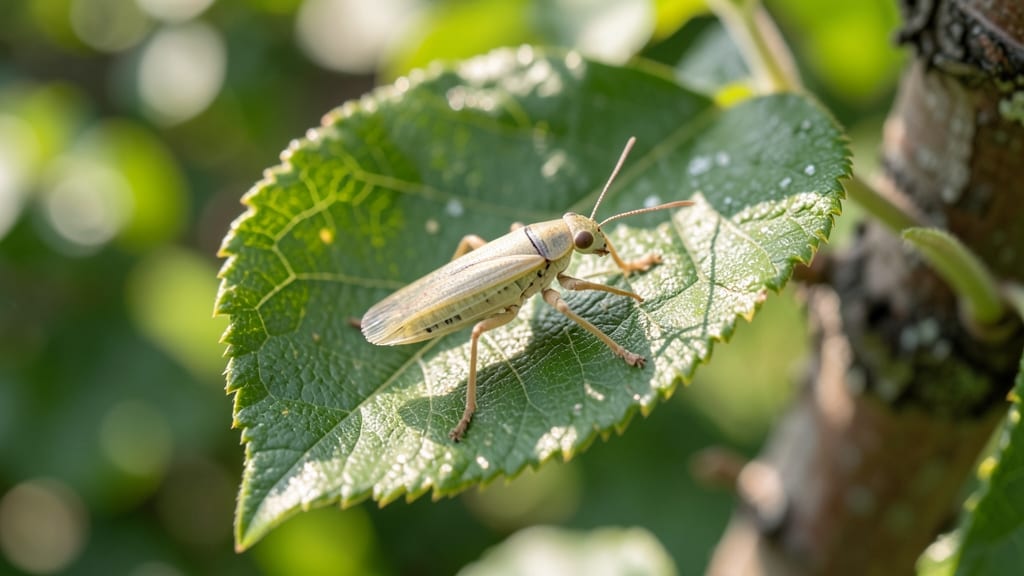
Apple tree leaf bugs turn crispy edges and yellow spots into a frustrating sight—until you know the quick fix. 🌿 I’ve battled these pests for years, and the secret isn’t harsh chemicals but smart timing and targeted action.
Aphids, mites, and sawfly larvae all leave similar damage, but each responds to slightly different fixes. The damage happens fast: tiny bugs feed on leaf sap, causing edges to curl and spots to yellow. By the time you notice it, they’ve already weakened your tree.
The good news? Most of these pests thrive in dry conditions, so consistent watering and pruning for airflow can cut their numbers in half before you even spray. You’ll see improvement within a week of treatment—fresh green leaves, fewer holes, and a tree that looks like it’s bouncing back.
The best part? These fixes work whether you’re dealing with a single branch or your whole orchard. No need for guesswork: we’ll cover the exact sprays, companion plants, and pruning tricks that stop the damage before it starts. Let’s get your tree back to healthy.
Understanding the Root Causes
Apple trees are resilient, but when their leaves start showing unsightly spots or crispy edges—often accompanied by tiny bugs—it’s usually a sign of stress or pest activity. Here’s why these issues happen, broken down into the most common culprits and their scientific triggers.
Apple trees are sensitive to their surroundings, and sudden changes can trigger leaf damage. Here’s what’s likely happening:
- Temperature Fluctuations - Why it happens: Apple trees thrive in moderate climates (USDA Zones 4–8). Extreme heat or cold shocks can disrupt cellular function, leading to oxidative stress—when cells produce harmful free radicals faster than the tree can neutralize them.
This causes chlorosis (yellowing) and necrosis (crispy, dead edges). - Key triggers: - Frost damage (below 28°F) disrupts cell membranes, causing water loss and browning. - Heatwaves (above 90°F) increase transpiration rates, dehydrating leaves faster than roots can absorb water. - Actionable sign: Look for scorched edges or sudden wilting during heatwaves.
- Water Imbalance (Over/Under) - Why it happens: Apple trees need consistent moisture—too much or too little throws off their osmotic balance.
Roots struggle to absorb water efficiently, leading to: - Overwatering: Fungal infections (like Phytophthora) thrive in waterlogged soil, clogging roots and starving leaves of nutrients. - Underwatering: Xylem cavitation (air bubbles in water transport vessels) blocks nutrient flow, causing leaf scorch. - Actionable sign: Check soil 1–2 inches deep—if it’s soggy or bone-dry, your tree is stressed.
- Wind and Sunburn
- Why it happens: Young or thin-barked apple trees are vulnerable to desiccation (drying out) when exposed to direct sun + wind. This creates sunburn spots (brown, crispy patches) on leaves.
- Actionable sign: Damage often appears on southwest-facing sides of the tree.
Tiny invaders and pathogens can wreak havoc on apple leaves, often leaving behind telltale bugs or symptoms. Here’s how they strike:
- Sap-Sucking Insects (Aphids, Leafhoppers, Spider Mites) - Why it happens: These pests pierce leaf cells to feed on sap, injecting toxic saliva that disrupts photosynthesis.
Their feeding creates: - Stippling (tiny white/yellow dots). - Curling or yellowing (as chlorophyll breaks down). - Honeydew (sticky residue that attracts sooty mold). - Key culprits: - Apple aphids (Aphis pomi) cluster on new growth. - Spider mites (Tetranychus urticae) thrive in dry heat, spinning webs on undersides. - Actionable sign: Inspect leaf undersides with a magnifying glass—look for tiny bugs, webs, or speckled damage.
- Fungal Infections (Apple Scab, Powdery Mildew) - Why it happens: Fungi like Venturia inaequalis (apple scab) and Podosphaera leucotricha (powdery mildew) spore in moist conditions, infecting leaves through stomata (pores).
Symptoms include: - Scab: Olive-green, velvety spots that turn black and crusty. - Mildew: White, powdery patches (especially on upper leaves). - Key triggers: Humidity + warm nights (60–80°F) + overhead watering. - Actionable sign: Spots often appear during rainy springs or after pruning (open wounds invite spores).
- **Bacterial Spot (Xanthomonas campestris) - Why it happens: Bacteria enter through wounds (e.g., hail damage, pruning cuts) or rain splashes.
They multiply in leaf tissues, causing: - Water-soaked spots that turn yellow with brown edges. - Premature leaf drop. - Key triggers: High humidity + temperatures above 75°F. - Actionable sign: Spots often have greasy, translucent centers.
Even the hardiest apple trees need the right nutrients. Deficiencies show up as leaf discoloration or weak growth, often mimicking pest damage.
- Magnesium Deficiency (Interveinal Chlorosis) - Why it happens: Magnesium is crucial for chlorophyll production. If soil is alkaline (pH > 7.0) or low in organic matter, roots can’t absorb enough.
Symptoms: - Yellowing between veins (while veins stay green). - Crispy edges in severe cases. - Actionable fix: Test soil pH—aim for 6.0–6.5. Apply Epsom salt (magnesium sulfate) as a foliar spray.
- Potassium Deficiency (Leaf Scorch) - Why it happens: Potassium regulates water and nutrient transport.
Deficiency causes: - Brown, dead edges (starting at leaf tips). - Weak stems (prone to breakage). - Key triggers: Over-fertilizing with nitrogen (burns roots) or drought stress. - Actionable fix: Use a balanced fertilizer (10-10-10) or wood ash (high in potassium).
- Iron Deficiency (Young Leaf Yellowing) - Why it happens: Iron is immobile in plants—once leaves develop, they can’t redistribute it. In alkaline soils, iron becomes unavailable.
Symptoms: - Bright yellow new leaves (while veins stay green). - Actionable fix: Apply chelated iron or sulfur** to lower soil pH.
Pro tip: 🔍 Rule out pests first! Many deficiencies (like magnesium) can look like insect damage. Scrape a leaf—if you see bugs, treat them before fertilizing.
Quick Fixes for Damaged Apple Leaves
If your apple tree’s leaves are showing signs of stress—whether it’s crispy edges, yellowing spots, or unsightly bugs—don’t panic! With the right approach, you can restore your tree’s health and prevent further damage.
Below, we’ve broken down the most common causes of leaf issues and paired them with practical, step-by-step solutions. Plus, we’ll share prevention tips to keep your apple tree thriving for years to come.
If tiny bugs are munching on your apple tree’s leaves, act fast to stop the spread. These pests—like aphids, mites, or leafhoppers—can weaken your tree and reduce fruit production.
🍳 Step 1: Identify the Culprit
First, inspect the bugs closely. Are they:
- Tiny, green, or black (likely aphids)?
- Reddish or yellow specks (could be spider mites)?
- Small, winged insects (possibly leafhoppers or psyllids)?
Knowing the pest helps you choose the right treatment.
👨🍳 Step 2: Use Natural Sprays (Best for Light Infestations)
For small outbreaks, try these organic, tree-friendly solutions:
- Neem oil spray: Mix 1 tbsp neem oil + 1 tsp mild soap in 1 quart of water. Spray leaves thoroughly (especially undersides) every 5–7 days.
- Insecticidal soap: Spray directly on bugs (avoid hot days—it can burn leaves). Reapply after rain.
- Horticultural oil: Apply in early spring or fall to smother overwintering pests.
🔪 Step 3: Prune Infested Branches (For Heavy Damage)
If bugs are concentrated on certain branches:
- Use sterilized pruning shears to cut off heavily infested leaves or small branches.
- Dispose of clippings in a sealed bag (not compost)—this prevents reinfestation.
- Aim to remove no more than 25% of foliage to avoid stressing the tree.
⏰ Step 4: Encourage Natural Predators
Ladybugs, lacewings, and parasitic wasps love eating leaf bugs. Boost their population by:
- Planting companion flowers like dill, fennel, or marigolds nearby.
- Avoiding broad-spectrum pesticides, which kill beneficial insects too.
Yellowing or crispy leaves can also signal watering issues. Too little or too much moisture stresses apple trees, making them vulnerable to pests and disease.
💡 Step 1: Check Soil Moisture
Stick your finger 2–3 inches into the soil:
- Too dry? Water deeply 1–2 times per week (depending on climate). Use drip irrigation to deliver water slowly to roots.
- Soggy or muddy? Reduce watering and improve drainage by adding compost or sand to the soil.
🎯 Step 2: Mulch Properly
Apply a 3-inch layer of organic mulch (wood chips, straw) around the tree’s base (keep it 6 inches away from the trunk):
- Retains moisture in dry spells.
- Keeps roots cool in summer.
- Prevents soil-borne diseases.
✨ Step 3: Adjust Watering Schedule
Apple trees need consistent moisture but hate waterlogged roots. Follow these rules:
- Water early in the morning to reduce evaporation.
- Avoid overhead sprinkling (it encourages fungal diseases).
- Young trees may need weekly deep watering; mature trees do better with biweekly soakings.
The best defense is a proactive routine. Here’s how to keep your apple tree’s leaves lush and healthy:
📊 Regular Inspections (Monthly Checks)
Spend 10 minutes monthly to:
- Spot early signs of pests (sticky residue, tiny webs, or chewed leaves).
- Check for fungal spots (black or brown patches).
- Look for unusual wilting (could signal root rot or disease).
💪 Fertilize Smartly
Apple trees need balanced nutrients. Use:
- A slow-release fertilizer (like 10-10-10) in early spring.
- Compost or worm castings in fall to replenish organic matter.
- Avoid high-nitrogen fertilizers (they promote leaf growth over fruit).
🌿 Prune for Airflow
Thin out crowded branches to improve air circulation:
- Remove dead, crossing, or inward-growing branches in late winter/early spring.
- Open the canopy to reduce humidity (which deters fungal diseases).
With these fixes, your apple tree’s leaves should bounce back in 2–4 weeks. Stay consistent with care, and your tree will reward you with healthier foliage and better fruit next season! 🍏🌿
Frequently asked questions
What are the most common apple tree leaf bugs I should watch for?
The top culprits are aphids (tiny green/black clusters), spider mites (red/yellow specks with webbing), and leafhoppers (small winged insects). Sawfly larvae also chew leaves into lace-like patterns. Check undersides of leaves first—most pests hide there!
How do I tell if my apple tree's leaf damage is from bugs or disease?
Bug damage shows honeydew residue (sticky spots), tiny holes, or speckled patterns from feeding. Disease symptoms include powdery white mold (mildew) or greasy black spots (scab). Scrape a leaf—if you see bugs, treat for pests first.
Can I use neem oil on my apple tree during fruit season?
Yes, but apply it early in the morning when bees are less active. Neem oil is safe for fruit trees when used properly—just avoid spraying directly on blooms. For heavy infestations, combine with insecticidal soap for better coverage.
Will pruning help control leaf bugs?
Prune infested branches in late winter/early spring before bugs become active. Remove no more than 25% of foliage to avoid stressing the tree. Sterilize your tools with rubbing alcohol between cuts to prevent spreading disease.
How often should I check my apple tree for bugs?
Do a quick inspection every 2 weeks during growing season (spring-fall). Look for new growth (aphids love tender leaves) and leaf undersides (mite hotspots). Early detection means faster treatment and less damage!