
Pests and Diseases
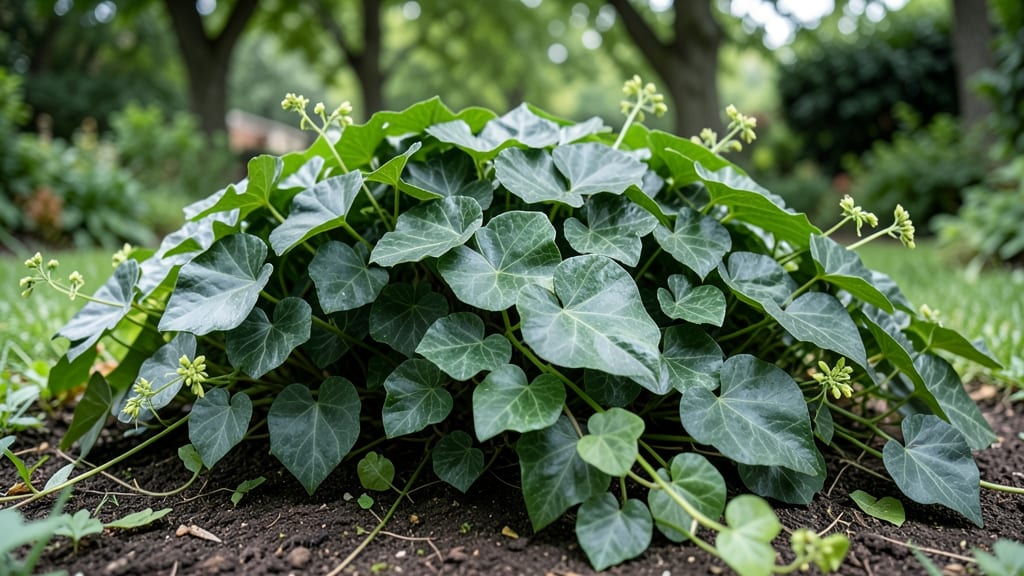
The Arabian Wax Leaf Ivy transforms any space with its glossy, waxy foliage that looks like it’s been polished to perfection. 🌿 I fell for this variety after seeing how its deep green leaves with creamy-yellow edges brightened a shady corner—it’s not just a climber, but a statement plant that thrives with minimal fuss.
This ivy loves bright, indirect light but handles low light better than most, making it ideal for indoor spaces where other plants struggle.
The soil should be well-draining yet moist, and a light pruning every few months keeps it lush and compact—whether you’re training it up a trellis or letting it spill over shelves.
What’s magical is how it revives tired walls or fences with its vigorous growth, while its fragrant flowers (yes, they’re real!) attract pollinators in late summer. Even beginners can master its care, and the results are instantly rewarding—no waiting for blooms, just year-round texture.
For those with pets, note it’s toxic if ingested, but otherwise, it’s a low-maintenance superstar for both gardens and homes. Ready to grow yours?
📚 In This Guide
- What you need
- Instructions
- Tips and common mistakes
- Wrapping up and next steps
What you need
- ● Arabian wax leaf ivy plant – Healthy or struggling (the more leaves, the better for treatment visibility!)
- ● Copper fungicide spray – Look for a ready-to-use formula like Copper Soap or Bordeaux Mixture (ensure it’s labeled safe for foliage). Quantity: 1–2 bottles (8–16 oz each).
- ● Spray bottle or pump sprayer – A 1-gallon pump sprayer (for larger plants) or a 16–32 oz handheld spray bottle (for precision).
- ● Garden gloves – Nitrile or rubber gloves (to protect your skin from copper residue).
- ● Pruning shears – Sharp, sterilized shears (for trimming affected leaves or stems).
- ○ Watering can or hose – For rinsing plants before and after treatment (optional but recommended).
- ● Newspaper or drop cloth – To protect surfaces (copper spray can stain!).
- ● Neem oil – 1 tbsp per quart of water (mix with copper spray for extra pest/disease prevention).
- ● Horticultural oil – For stubborn pests like spider mites (follow label instructions).
- ● pH testing kit – To check soil/water pH (ideal range: 6.0–7.0 for copper absorption).
- ● Plant food (balanced fertilizer) – 10-10-10 or 20-20-20 (diluted to half-strength) to boost recovery post-treatment.
- ● Misting bottle – For light hydration between treatments.
Step-by-Step instructions for reviving Arabian wax leaf ivy
Here’s the method I’ve used to nurse struggling wax leaf ivy back to its signature glossy perfection—without losing plants to overzealous treatments.
🌿 Step 1: Assess and Prune Damaged Growth
Start by examining your ivy for yellowed, browned, or mushy stems—these are the first signs of overwatering, root rot, or pest stress. Use clean, sharp pruning shears to trim back all affected foliage to a healthy node. I like to cut just above a leaf node where new growth can emerge; this prevents unsightly stubs while encouraging the plant to redirect energy.
Don’t prune more than one-third of the plant at once, or you’ll shock the system. Focus on removing only the most compromised areas. If the stems feel soft or hollow when squeezed, root rot may be present—this is your cue to act quickly before the problem spreads.
💧 Step 2: Adjust Watering and Check Soil Conditions
Wax leaf ivy thrives in well-draining soil that stays lightly moist but never soggy. Stick your finger 1-2 inches deep into the soil—if it feels damp, wait before watering. Overwatering is the fastest way to kill this plant, so I recommend using a moisture meter for accuracy, especially in humid climates.
If the soil is compacted or waterlogged, repot the plant into a container with fresh cactus/succulent mix amended with perlite. This ensures excess moisture drains away quickly. Water thoroughly only when the top 1 inch of soil feels completely dry, then allow the plant to dry out between waterings. Underwatering causes crispy edges, but recovery is easier than fixing root rot.
☀️ Step 3: Optimize Light and Airflow
Arabian wax leaf ivy loves bright, indirect light—think east or west-facing windows—where it gets 4-6 hours of morning sun without harsh afternoon rays. If your plant’s leaves are pale or leggy, it’s not getting enough light. Move it closer to the window or supplement with a grow light for 12-14 hours daily.
Poor airflow encourages fungal issues like powdery mildew, which dulls the leaves’ signature shine. Place a small fan on low setting near the plant for a few hours daily to mimic outdoor conditions. This also helps prevent spider mites, which thrive in dry, stagnant air. You’ll notice new growth emerging faster and with a healthier sheen once airflow improves.
✂️ Step 4: Apply Copper Spray for Spotless Revival
For a disease-free, glossy finish, mix a copper fungicide spray (like Bonide Copper Fungicide) at half-strength with water in a spray bottle. Apply this solution every 7-10 days until new growth appears, focusing on the undersides of leaves where pests and fungi hide. Copper prevents bacterial and fungal infections while promoting vibrant, spotless foliage.
Spray in the early morning so the leaves have time to dry before evening. Avoid overspraying—just until the leaves glisten lightly. If you notice any brown spots after treatment, wipe them gently with a damp cloth and reduce future applications. The goal is prevention, not punishment.
🪴 Step 5: Fertilize and Encourage New Growth
Once your ivy shows signs of recovery—new leaves with a waxy sheen—switch to a balanced liquid fertilizer (like 10-10-10) diluted to half-strength. Feed every 4-6 weeks during the growing season (spring and summer) to support lush, healthy foliage. Avoid fertilizing in winter, as the plant enters dormancy.
If growth remains slow, try a seaweed-based fertilizer for a gentle nutrient boost. You’ll see the difference within 2-3 weeks: thicker stems, deeper green leaves, and that coveted spotless, glossy finish. Keep an eye out for yellowing leaves after fertilizing—this means you’re overdoing it, so scale back immediately.
Tips & tricks for reviving Arabian wax leaf ivy
Common pitfalls—and how to sidestep every one when nursing your wax leaf ivy back to health.
Pruning Precision: When you're assessing damaged growth in Step 1, look for the telltale "V" shape where leaves meet the stem—this is your healthy node target. I've ruined plants by cutting too close to the base, so always leave that small bump visible. For stubborn brown spots, snip just above where the leaf emerges cleanly, not through the stem itself. This encourages fresh growth while preventing unsightly scars.
Soil Rescue Strategy: If you're dealing with waterlogged soil in Step 2, don't just dump in more perlite—mix it thoroughly with the existing soil first. I've seen people add perlite to the top layer only, which creates a false drainage layer that still leaves compacted soil underneath. For severe cases, consider repotting into a container with drainage holes, then adding a 1-inch layer of gravel at the bottom before your cactus mix. This creates a proper drainage system that prevents future soggy roots.
Light Optimization: For the 4-6 hours of morning sun in Step 3, position your plant so the leaves face east if possible—the morning sun is less intense than afternoon rays. I've found that rotating the plant 90 degrees weekly helps prevent uneven growth where leaves stretch toward the light. If using a grow light, place it 6-12 inches above the plant and adjust the height as the plant grows to maintain consistent light exposure.
Copper Spray Mastery: When applying your copper fungicide in Step 4, focus on the undersides of leaves and new growth areas—this is where fungal spores love to hide. I've learned to spray until the leaves glisten but aren't dripping, then let the plant air-dry completely before placing it back in its regular spot. For stubborn fungal spots that persist after treatment, wipe them gently with a cotton swab dampened with rubbing alcohol (70% isopropyl), then follow up with another copper spray application 3 days later.
Pro Tips for Arabian Wax Leaf Ivy
- Common pitfalls—and how to sidestep every one when nursing your wax leaf ivy back to health.
- Pruning Precision: When you're assessing damaged growth in Step 1, look for the telltale "V" shape where leaves meet the stem—this is your healthy node target.
- Soil Rescue Strategy: If you're dealing with waterlogged soil in Step 2, don't just dump in more perlite—mix it thoroughly with the existing soil first.
Frequently asked questions
Got questions about keeping your Arabian wax leaf ivy thriving—especially when it comes to pests and diseases? You’re not alone! Here are some of the most common concerns, answered clearly for quick fixes and peace of mind.
How do I know if my Arabian wax leaf ivy has pests?
Look for sticky residue (honeydew) on leaves, tiny webs between stems, or chewed edges. Common culprits include spider mites, mealybugs, and scale insects. Inspect the undersides of leaves and growth points—these are hotspots for pests. Act fast: Isolate the plant and treat with neem oil or copper spray before damage spreads.
Why does my ivy lose its shiny leaves even after copper spray treatments?
Dull leaves often signal overwatering, low light, or nutrient deficiency—not just pests! Check soil moisture (it should dry slightly between waterings) and ensure bright, indirect light. If copper spray is overused, it can stress the plant. Flush the soil with water after treatments and boost care with balanced fertilizer (diluted to half-strength).
How often should I apply copper spray to prevent pests?
Use copper spray every 2–4 weeks as a preventive measure during growing seasons (spring–fall). For active infestations, apply weekly for 2–3 weeks, then switch to a monthly schedule. Timing matters: Spray in the early morning or evening to avoid leaf burn from sunlight. Always follow label instructions for dilution.
Can I use alternatives to copper spray for Arabian wax leaf ivy?
Yes! Try these natural pest deterrents:
- Insecticidal soap: Effective against soft-bodied pests like aphids (reapply every 5–7 days).
- Horticultural oil: Smothers mites and scale; apply when pests are active (avoid extreme temps).
- Beneficial insects: Release ladybugs or lacewings for long-term control.
- Diatomaceous earth: Sprinkle lightly on soil (reapply after watering).
What should I do if my ivy’s leaves turn black after copper spray?
Blackened leaves are a sign of copper burn or fungal stress. Stop treatments immediately and:
- Prune affected leaves with sterilized scissors.
- Water deeply to flush out excess copper.
- Move the plant to shadier conditions temporarily.
- Boost humidity with a pebble tray to reduce stress.
Wrapping up and next steps
Arabian wax leaf ivy is a resilient beauty that thrives with the right care—especially when it comes to tackling pests like spider mites and scale. By using a copper spray solution and following proper maintenance, you can keep your plant lush and pest-free for years to come! 🌿✨
Ready to give your ivy the revival it deserves? Start by gathering your supplies and applying the copper spray method confidently. Your spotless, thriving plant is just one treatment away!
- 🔹 Next step: Try the copper spray on a small area first to test your plant’s reaction.
- 🔹 Bonus tip: Monitor your ivy regularly to catch early signs of pests.