
Pests and Diseases
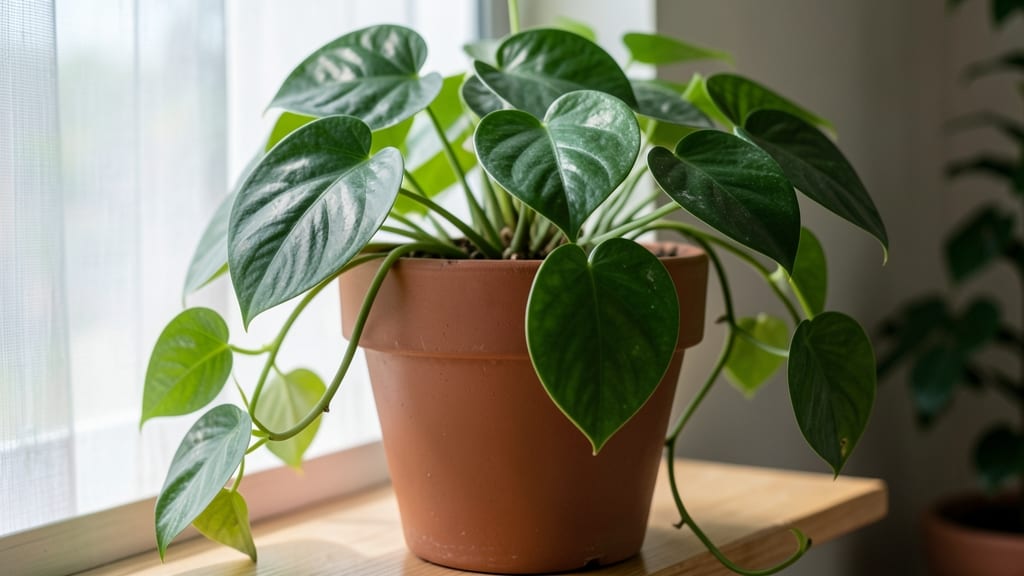
Growing Arabian wax leaf (Hymenocallis littoralis) means year-round evergreen drama with almost no pruning—just the right conditions. 🌿 The secret lies in its love for warm climates, sandy soil, and coastal breezes, which makes it perfect for zones 8-11.
I’ve watched mine push out glossy, strap-like leaves even in winter, creating a lush, tropical vibe without the fuss of constant maintenance.
This plant thrives in full sun to partial shade, tolerating heat better than most. The soil needs to drain like a beach—sandy, slightly acidic, and mixed with perlite or grit to prevent soggy roots.
Watering is simple: keep it lightly moist in summer, then let it dry out slightly in winter. Overwatering is the only real enemy here, and it’s easy to avoid.
What you’ll end up with is a bold, architectural statement plant that stays green all year, resists pests, and rarely needs pruning. The leaves have a waxy sheen that catches the light, and in spring, it might even surprise you with fragrant, spider-like flowers.
It’s the kind of plant that makes neighbors ask, “What is that?”—and you’ll just smile knowing it’s low-maintenance perfection.
Propagation is straightforward too—divide clumps in spring or grow from seed if you’re patient. Even in colder zones, it can be grown in large containers and brought indoors for winter.
The key is mimicking its natural coastal habitat, and once you do, it rewards you with effortless, showstopping foliage for years.
📚 In This Guide
- What you need
- Instructions
- Tips and common mistakes
- Wrapping up and next steps
What you need
- ● Arabian wax leaf plant: 1 nursery-grown sapling (3–6 inches tall, recommended for beginners)
- ● OR 2–3 viable seeds (soaked overnight for faster germination)
- ● Growing containers: 1–2 well-draining pots (10–12 inches in diameter, with drainage holes)
- ○ Optional: Self-watering planter for low-maintenance care
- ● Soil mix: 1 bag (1–2 cubic feet) of well-draining potting mix (e.g., 60% peat moss, 30% perlite, 10% compost)
- ○ Optional: 1 cup of orchid bark or coconut coir for aeration
- ● Tools: 1 pair of sterilized pruning shears (for propagation or shaping)
- ● 1 small trowel (for repotting)
- ● 1 spray bottle (for humidity control)
- ○ Optional: Root hormone gel (to boost cutting success)
- ● Light: Bright, indirect light (east or west-facing window; avoid harsh midday sun)
- ● Temperature: 65–80°F (18–27°C); no drafts or cold spots (below 55°F/13°C stunts growth)
- ● Humidity: 50–70% (use a humidifier or pebble tray if air is dry)
- ● Water: Distilled or filtered water (chlorine-free)
- ● 1–2 gallons per watering (let top 1–2 inches of soil dry between sessions)
- ● 🌱 For seeds: Plant 2–3 seeds per pot (germination takes 2–4 weeks in warm, moist conditions).
- ● 🔄 For cuttings: Use 4–6 inch stem cuttings with 2–3 nodes; dip in rooting hormone for faster roots.
- ● 🚫 Avoid: Overwatering (yellow leaves = root rot risk!) or fluoride-rich tap water (brown leaf tips).
Step-by-step instructions for cultivating Arabian wax leaf
Here's how to grow this striking evergreen with bold foliage—no fuss, just year-round impact.
🌱 Step 1: Select the Perfect Spot and Prepare the Soil
Arabian wax leaf thrives in full sun to partial shade, making it ideal for Mediterranean-style gardens or bright patio containers. Choose a location with at least 6 hours of direct sunlight daily—morning sun and afternoon shade works best in hot climates to prevent leaf scorch. The soil should drain well but retain moisture; amending native soil with compost or aged manure improves fertility without compacting.
Test the soil pH before planting—Arabian wax leaf prefers 6.0-7.5. If your soil is too alkaline, mix in sulfur or peat moss to lower the pH gradually. Avoid heavy clay or waterlogged areas; these plants despise soggy roots. If container growing, use a well-draining potting mix with perlite or sand for aeration.
☀️ Step 2: Plant at the Right Time and Depth
Plant in early spring after the last frost or in fall to allow roots to establish before summer heat. Dig a hole twice as wide as the root ball but only as deep as the container it came in. The crown (where roots meet stems) should sit just above soil level—burying it too deep causes rot, while planting too high stresses the plant.
Gently loosen the roots if they're circling the container, then position the plant so the largest leaves face outward. Backfill with native soil mixed with compost, tamping lightly to remove air pockets. Water deeply immediately after planting to settle the soil and encourage root contact. You'll know it's right when the top inch of soil feels damp but not waterlogged.
💧 Step 3: Water Deeply and Establish a Routine
Arabian wax leaf is drought-tolerant once established, but young plants need consistent moisture. Water 1-2 inches per week, adjusting for rainfall—soaker hoses or drip irrigation prevent leaf burn from overhead watering. The key is deep watering: let the soil dry out 2-3 inches down between waterings. You'll see healthy growth when new leaves emerge with a vibrant, waxy sheen.
Mulch with 2-3 inches of organic mulch (like wood chips or shredded bark) to retain moisture and regulate soil temperature. Keep mulch 2 inches away from the stem to prevent rot. Overwatering is the biggest mistake—yellowing leaves or wilting despite damp soil signals root stress.
✂️ Step 4: Prune for Shape and Health
Minimal pruning keeps Arabian wax leaf lush and compact. Trim back leggy growth in late winter or early spring to encourage bushier growth. Use clean, sharp pruners to cut just above a leaf node at a 45-degree angle. Avoid heavy pruning—this plant responds best to light shaping rather than drastic cuts.
Remove any dead, diseased, or crossing branches immediately. You'll notice new growth within 2-3 weeks if pruned correctly. For container plants, pinch back the tips of new growth in early summer to promote fuller foliage. Never prune after mid-summer—new growth won't harden off before winter.
🪴 Step 5: Fertilize and Overwinter for Longevity
Feed with a balanced, slow-release fertilizer (10-10-10) in early spring and again in mid-summer. Avoid high-nitrogen fertilizers—they promote leaf growth at the expense of the plant's structural integrity. Organic options like fish emulsion or compost tea work well too. Water thoroughly after fertilizing to prevent root burn.
In colder zones, protect Arabian wax leaf with a thick layer of mulch and a burlap wrap if temperatures drop below 20°F. Container plants may need to be moved to a sheltered spot or brought indoors near a sunny window. With proper care, this evergreen delivers year-round drama with almost no upkeep.
Tips & tricks for perfect Arabian wax leaf cultivation
Between us, these simple adjustments will transform your Arabian wax leaf from "meh" to "wow" with minimal effort.
Sunlight Strategy: Those 6 hours of sunlight are non-negotiable, but here's the trick: if your plant starts looking stressed in summer, move it to morning sun only. The waxy leaves burn easily in intense afternoon heat—think of it as sun protection for your foliage. A sheer curtain can help diffuse harsh rays without sacrificing light exposure.
Soil Science: The 6.0-7.5 pH range is ideal, but don't stress about perfect measurements. A quick test with a home kit (or even a dollar-store pH tester) will save you from guessing. If your soil tests at 7.6 or higher, mix in a handful of sulfur per square foot—it takes about 3 months to adjust the pH. For containers, use a cactus/succulent mix as your base, then add 20% compost for better moisture retention.
Watering Wisdom: The 1-2 inches per week guideline works, but timing matters more than quantity. Water in the morning so leaves have all day to dry—wet foliage at night invites fungal issues. For container plants, stick your finger 2 inches deep; if it's dry, water until it runs from the drainage holes. Overwatering is the silent killer—yellow leaves that stay yellow even when you water more? That's your plant begging for less, not more.
Pruning Precision: That 45-degree angle when pruning isn't just for looks—it prevents water from pooling in the cut, which leads to rot. For container plants, give yourself a visual reference: aim to cut where three leaves meet (the growth node). And here's a pro move: collect your pruned branches, dry them, and use them as cuttings. They root easily in water or moist soil—free propagation!
Pro Tips for Arabian Wax Leaf
- Between us, these simple adjustments will transform your Arabian wax leaf from "meh" to "wow" with minimal effort.
- Sunlight Strategy: Those 6 hours of sunlight are non-negotiable, but here's the trick: if your plant starts looking stressed in summer, move it to morning sun only.
- Soil Science: The 6.0-7.5 pH range is ideal, but don't stress about perfect measurements.
Frequently asked questions
What’s the best way to propagate Arabian wax leaf?
Propagate via stem cuttings in spring or early summer. Snip a 4-6 inch section just below a leaf node, strip the lower leaves, and dip in rooting hormone. Plant in moist potting mix, cover with a plastic bag to retain humidity, and place in bright, indirect light. Roots should form in 4-6 weeks!
Why are my Arabian wax leaf’s edges turning brown?
Brown edges usually mean underwatering or low humidity. Check the soil—it should stay slightly moist (not soggy). Mist the leaves regularly or place a pebble tray under the pot. If overwatering is the issue, let the soil dry out between waterings and ensure the pot has drainage holes.
Are Arabian wax leaves prone to pests?
Yes! Spider mites and mealybugs love them. Keep your plant clean by wiping leaves with a damp cloth weekly. If pests appear, isolate the plant and treat with neem oil or insecticidal soap. Prune heavily infested areas and dispose of clippings off-site to prevent spread.
Can Arabian wax leaf handle direct sunlight?
While they tolerate bright light, direct sun (especially midday) can scorch leaves. Aim for bright, indirect light—like near an east-facing window. If outdoors, provide partial shade, especially in hot climates. Yellowing leaves? That’s a sign it’s getting too much sun.
What’s a good alternative if I can’t grow Arabian wax leaf?
If you’re after a low-maintenance, glossy-leaved evergreen, try Chinese evergreen (Aglaonema), ZZ plant (Zamioculcas), or Cast iron plant (Aspidistra). These thrive in similar conditions but with even less fuss. For a similar aesthetic, Dracaena marginata is another great pick!
Wrapping up and next steps
The Arabian wax leaf is a stunning, low-maintenance evergreen that brings year-round elegance to your garden—with minimal fuss! 🌿 From its drought-resistant charm to its pest-repelling powers, this plant is a dream for both beginners and seasoned gardeners.
Whether you’re battling aphids or simply admiring its glossy foliage, this guide has given you the tools to keep it thriving.
Ready to elevate your green space? Start by planting one today—or share your newfound knowledge with fellow plant lovers! 🌟 And if you’re feeling adventurous, experiment with companion plants to create a lush, pest-resistant paradise.