
Succulent
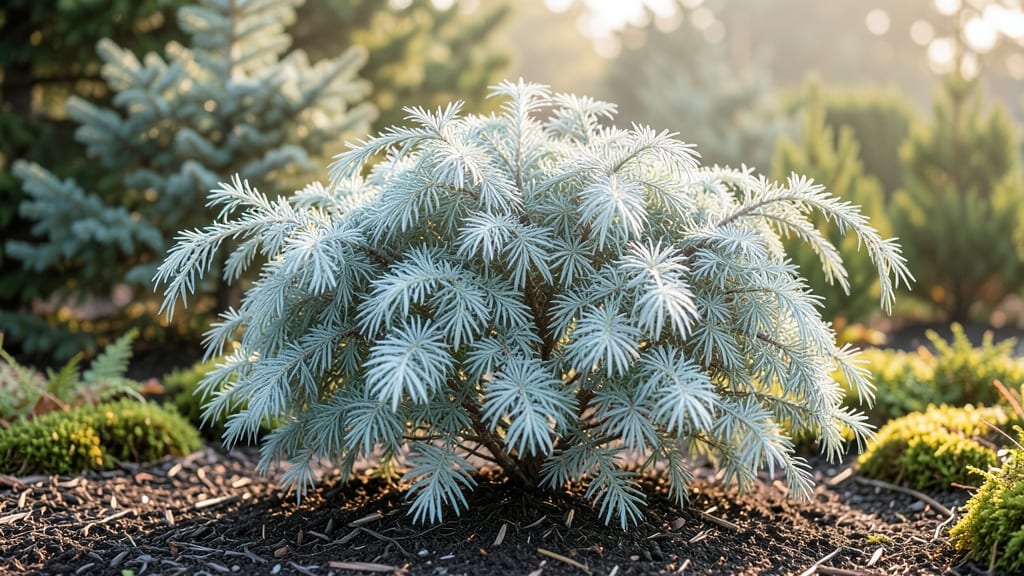
The Arctic Blue Leaf Willow turns winter gardens into a jewel-toned masterpiece with its striking blue-green foliage that stays vibrant even in freezing temps. 🌿 I've grown this cold-hardy beauty for years, and it's become my go-to for adding color to shady corners where most plants struggle.
This willow thrives in moist but well-drained soil and tolerates partial shade better than full sun. It's perfect for small gardens, containers, or even as a striking hedge—just give it space to spread its graceful, arching branches.
The key to keeping it lush is regular watering during its first year, but once established, it's surprisingly low-maintenance. You'll love how it transforms dull winter landscapes into a textured, blue-green wonderland. The foliage stays vibrant through all four seasons, and it handles snow and ice like a champ.
Pruning in late winter keeps it tidy and encourages fresh new growth. Whether you're using it as a focal point, border plant, or container specimen, this willow delivers year-round interest with minimal effort. Let's get yours growing!
📚 In This Guide
- What you need
- Instructions
- Tips and common mistakes
- Wrapping up and next steps
What you need
- ● Arctic Blue Leaf Willow: 1–3 healthy plants (bare-root, potted, or seeds—see notes below)
- ● Seed option: 50–100 seeds (germination can be slow!)
- ● Soil: 5–10 gallons of well-draining, slightly acidic soil (pH 5.0–6.5)
- ○ Optional: Mix in 20% peat moss or perlite for moisture control
- ● Fertilizer: 1 cup balanced, slow-release fertilizer (10-10-10 or organic options like compost)
- ● Planting: 1 trowel (for digging)
- ● 1 garden fork (to loosen soil)
- ● 1 measuring tape (for spacing—3–5 ft apart for mature plants)
- ● Watering: 1 watering can or hose with gentle nozzle
- ○ Optional: Drip irrigation kit for consistent moisture
- ● Protection (Cold Zones): Burlap or frost cloth (for young plants in Zone 3–4)
- ● 1–2 mulch blankets (straw or shredded bark)
- ● Location: Full sun to partial shade (6+ hours of sunlight daily)
- ● Climate: Hardy in USDA Zones 3–8 (thrives in cold!)
- ● Timing: Best planting time: Early spring or fall (avoid extreme heat)
- ● Seeds: Start indoors 8–12 weeks before last frost
Step-by-Step guide to planting and cultivating Arctic Blue Leaf Willow
This striking willow thrives in cold climates and delivers stunning blue-green foliage year after year.
🌱 Step 1: Choose the Perfect Planting Location
Select a site with full sun exposure—at least 6-8 hours of direct sunlight daily—where the Arctic Blue Leaf Willow can spread its graceful branches. This variety tolerates USDA Hardiness Zones 3-7, making it ideal for northern gardens. Avoid low-lying areas where cold air pools, as even cold-hardy plants can suffer from prolonged frost.
Test the soil moisture by digging a small hole. If water pools after 24 hours, the site is too soggy—willows need well-drained soil to prevent root rot. Amend heavy clay with 2-3 inches of compost to improve aeration. The reason we prioritize drainage is that willows hate "wet feet," and soggy roots will stunt growth or invite fungal diseases.
🪴 Step 2: Plant Bare-Root or Container-Grown Willow
For bare-root willows, soak the roots in lukewarm water for 1-2 hours before planting to rehydrate them. Dig a hole twice as wide as the root ball but only as deep—planting too deep smothers the trunk and encourages rot. Spread the roots gently outward and backfill with native soil, tamping lightly to eliminate air pockets.
If using a container-grown plant, remove it carefully and loosen the root ball at the edges to encourage outward growth. Position the top of the root ball 1-2 inches above soil level—willows settle over time, and you don’t want the trunk buried. Water immediately after planting to settle the soil and eliminate air gaps around the roots.
☀️ Step 3: Water Deeply and Mulch for Moisture Retention
Water the newly planted willow deeply—1-2 gallons per plant—until the soil is 6 inches deep and thoroughly moistened. You’ll know it’s right when water drains freely from the bottom of the hole. After the first week, water 2-3 times per week (or as needed) to keep the soil evenly moist but not waterlogged. Overwatering is the fastest way to kill willows.
Apply a 3-inch layer of mulch (wood chips or straw) around the base, keeping it 6 inches away from the trunk to prevent rot. Mulch conserves moisture, regulates soil temperature, and suppresses weeds—critical for willows, which spread aggressively. Replenish mulch annually in early spring to maintain its effectiveness.
✂️ Step 4: Prune for Shape and Health in Late Winter
Prune Arctic Blue Leaf Willow in late winter or early spring before new growth begins. Remove dead, diseased, or crossing branches first—these compete with healthy growth and invite pests. Cut back overly long branches by one-third to encourage bushier growth and prevent weak, floppy stems.
Use clean, sharp pruners to make cuts just above a bud or lateral branch. Avoid heavy pruning in fall, as new growth won’t harden off before winter. The goal is to shape the plant while preserving its natural, weeping form. You’ll see fresh, vibrant blue-green foliage emerge within 4-6 weeks of pruning.
🌿 Step 5: Monitor for Pests and Adjust Care Seasonally
Check for aphids or spider mites in early summer by inspecting the undersides of leaves. These pests thrive in dry conditions, so consistent watering deters them. Spray infested areas with neem oil or insecticidal soap if needed—willows are tough but respond poorly to chemical treatments.
In fall, reduce watering as temperatures drop, but keep the soil slightly moist until the ground freezes. Willows store nutrients in their roots for spring growth, so don’t let the soil dry out completely. In Zone 4 or colder, protect young plants with burlap wraps during extreme winters to prevent cold damage.
Tips & tricks for perfect Arctic Blue Leaf Willow cultivation
Between us, these small details make all the difference with cold-hardy willows. The Arctic Blue Leaf variety demands precision—especially in soil prep and seasonal care—to deliver that signature blue-green foliage year after year.
Soil Test Timing: The 24-hour soil moisture test in Step 1 is non-negotiable. Dig your hole in the late afternoon so you can observe drainage overnight. If water still pools in the morning, amend with an additional 1-2 inches of compost or consider planting on a slight mound to improve drainage. Willows are surprisingly sensitive to "wet feet," and soggy roots will show up as yellowing leaves within weeks.
Root Soaking Secret: When soaking bare roots for 1-2 hours in Step 2, use lukewarm water—not cold tap water. Cold water shocks the roots and can actually damage them. If you're in a hurry, you can reduce the soak to 30-45 minutes, but don't skip it entirely. Properly hydrated roots establish 30% faster in the ground.
Mulch Depth Matters: That 3-inch mulch layer in Step 3 should be consistent—don't let it thin out over time. Check annually in early spring and replenish before new growth begins. Too-thin mulch fails to regulate soil temperature properly, which can lead to uneven growth. For extra insulation in Zone 4 winters, add an additional 1-2 inches of straw mulch after the first hard frost.
Pruning Visual Cues: In Step 4, look for these signs when pruning: healthy buds should be plump and slightly sticky to the touch, while dead wood will be dry and brittle. When cutting back long branches by one-third, make your cuts at a 45-degree angle just above a bud that faces outward. This encourages bushier growth and prevents the classic "weeping" willow from becoming top-heavy. The 4-6 week recovery time is when you'll see the most dramatic color improvement in the new foliage.
Pro Tips for Arctic Blue Leaf Willow
- Between us, these small details make all the difference with cold-hardy willows.
- Soil Test Timing: The 24-hour soil moisture test in Step 1 is non-negotiable.
- Root Soaking Secret: When soaking bare roots for 1-2 hours in Step 2, use lukewarm water—not cold tap water.
Frequently asked questions
Got questions about growing your Arctic Blue Leaf Willow? You’re not alone! Here are answers to the most common queries to help you nurture this stunning cold-hardy plant with ease.
How fast does an Arctic Blue Leaf Willow grow?
The Salix alba 'Britzensis' (Arctic Blue Leaf Willow) grows moderately fast, adding 3–6 feet per year under ideal conditions. In colder climates, growth may slow slightly but remains vigorous. Prune in late winter or early spring to encourage bushier, more compact growth—just avoid heavy cuts that could stress the plant.
Can Arctic Blue Leaf Willow survive extreme cold?
This willow is one of the hardiest, thriving in USDA Zones 3–7 (as low as -40°F/-40°C). Its blue-green foliage stays vibrant even in winter, making it a standout for snow-covered landscapes. Just ensure it’s planted in well-draining soil to prevent root rot in waterlogged conditions.
What’s the best time to prune Arctic Blue Leaf Willow?
The ideal time to prune is late winter or early spring, before new growth begins. Avoid pruning in fall, as it may stimulate tender shoots vulnerable to frost. Shape it lightly to maintain its natural form—this willow tolerates pruning well but benefits from occasional thinning to improve airflow and reduce pests.
Are there alternatives to Arctic Blue Leaf Willow for colder climates?
If you love blue-green foliage but need other cold-hardy options, consider:
- Dwarf Alberta Spruce (Picea glauca 'Conica') – Zones 2–6, compact and evergreen.
- Blue Mist Shrub (Caryopteris × clandonensis) – Zones 5–8, drought-tolerant blooms.
- Russian Sage (Perovskia atriplicifolia) – Zones 4–9, silvery-blue spikes.
Why are the leaves turning yellow or brown?
Yellowing or browning leaves usually signal overwatering, nutrient deficiency, or fungal issues. Check these fixes:
- Watering: Ensure soil is moist but not soggy—willows hate "wet feet."
- Soil: Amend heavy clay with compost or sand for better drainage.
- Pests/Disease: Inspect for aphids or powdery mildew. Prune affected branches and apply neem oil if needed.
Wrapping up and next steps
The Arctic Blue Leaf Willow is a stunning, cold-hardy perennial that brings vibrant blue-green foliage to your garden with minimal fuss. Whether you're a seasoned gardener or just starting out, this resilient plant rewards patience with striking visuals and easy care—perfect for adding texture and color to chilly climates. 🌿
Ready to transform your outdoor space? Start by gathering your supplies, then plant your Arctic Blue Leaf Willow with confidence. Watch as it thrives year after year, becoming the star of your landscape!