
Leaf Blower
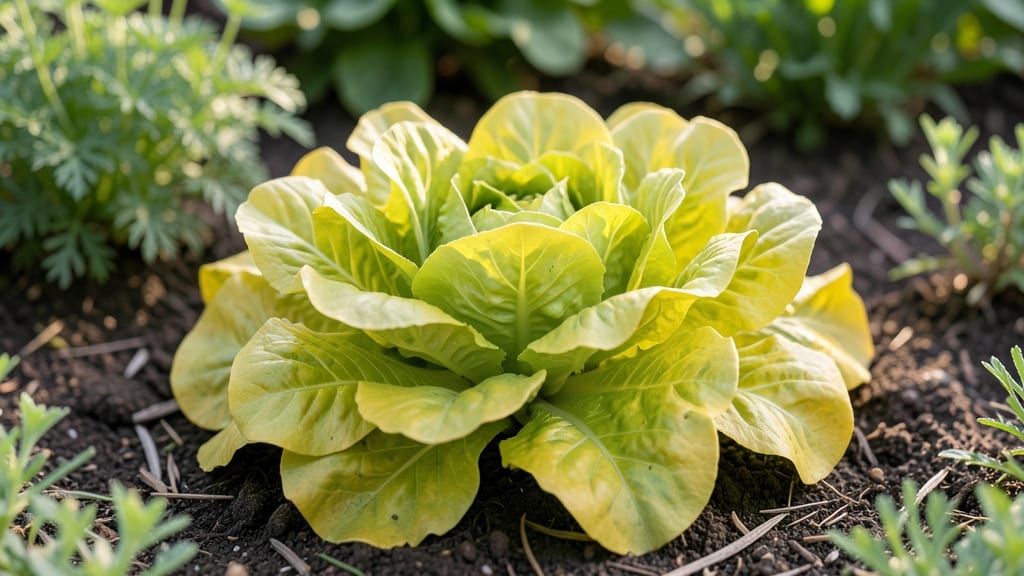
Growing Australian Yellow Leaf lettuce is my secret weapon for crispy, buttery leaves that stay fresh even when summer heats up. 🌿 Unlike finicky varieties, this one thrives in both sun and shade, making it perfect for small spaces or tricky garden spots where other lettuces bolt before you can say "salad."
Start with well-draining soil mixed with compost—this lettuce hates soggy roots—and plant seeds ¼ inch deep, 12 inches apart. Keep the soil consistently moist (not soaked) and watch those leaves unfurl into thick, crunchy perfection in just 3-4 weeks.
The key is patience: harvest outer leaves first to encourage continuous growth.
Pests like slugs and aphids adore this variety, so I scatter diatomaceous earth around plants and handpick chewers early. For shade lovers, choose spots with 4-6 hours of morning sun—afternoon shade prevents bolting.
With proper care, you'll enjoy crispy, sweet leaves for months, even in heat waves that send other greens running.
📚 In This Guide
- What you need
- Instructions
- Tips and common mistakes
- Wrapping up and next steps
What you need
- ● Seeds or seedlings: 50–100 Australian Yellow Leaf Lettuce seeds (or 10–20 seedlings for a small harvest). Look for organic, non-GMO varieties for the best flavor.
- ● Growing containers: Outdoor: 12–18" deep pots (for 2–3 plants each) or raised beds (10" deep minimum). Use well-draining soil.
- ● Indoor/Shade: Shallow trays (6–8" deep) with drainage holes.
- ● Potting mix: 1–2 bags of lightweight, organic potting mix (avoid garden soil—it compacts too easily). Add perlite or vermiculite (10% by volume) for aeration.
- ● Fertilizer: Balanced liquid fertilizer (e.g., 10-10-10) or compost tea (mix 1 tbsp compost per gallon of water).
- ○ Slow-release granules (optional): 1 tbsp per container at planting.
- ● Watering tools: Watering can with a fine rose nozzle (to avoid disturbing seedlings).
- ● Spray bottle (for seedlings or indoor setups).
- ● Gloves (to protect hands from soil and prickly stems).
- ● Pruners or scissors (for harvesting outer leaves without damaging the core).
- ○ Row covers or shade cloth (30–50% shade for hot climates; optional for sun protection).
- ● Mulch (straw or shredded leaves) to retain moisture and suppress weeds.
- ● Grow lights (LED full-spectrum, 12–16 hrs/day) if growing indoors or in low light.
- ● pH test kit (ideal soil pH: 6.0–7.0; adjust with lime or sulfur if needed).
Step-by-Step instructions for growing Australian Yellow Leaf lettuce
Here’s how to grow lettuce with that signature crisp texture, whether your garden gets full sun or dappled shade.
🌱 Step 1: Choose the Right Time and Location
Australian Yellow Leaf thrives in cooler weather, so plant it 4-6 weeks before your last frost date in spring or 6-8 weeks before the first expected frost in fall. This variety handles partial shade beautifully, but for the crispiest leaves, aim for 3-6 hours of morning sun—afternoon heat wilts them fast. I always test my spot by watching how sunlight moves across the garden at different times of day.
If you’re growing in containers, place them where they get bright, indirect light for most of the day. The key is avoiding hot afternoon rays, which turn leaves bitter and limp. A north-facing window or a spot under a tree with filtered light works perfectly for patio growers.
🪴 Step 2: Prepare Light, Well-Draining Soil
This lettuce prefers rich, well-draining soil with a pH between 6.0 and 7.0. Amend your garden bed with 2-3 inches of compost mixed into the top 6 inches of soil—this ensures nutrients stay available while preventing soggy roots. I like to work in a handful of aged manure or worm castings for extra crispness.
For containers, fill with a lightweight potting mix (avoid garden soil—it compacts and suffocates roots). Add a slow-release fertilizer at planting time to give your lettuce a steady nutrient boost. Water the soil until it’s evenly moist but not soggy—you should see water trickle from the drainage holes if you’re using pots.
🌿 Step 3: Plant Seeds or Transplants Correctly
Sow seeds ¼ inch deep, spacing them 12-18 inches apart in rows 12 inches apart to prevent overcrowding. If you’re using transplants, space them 10-12 inches apart—this gives leaves room to develop that signature crispness without fighting for space. Thin seedlings to the recommended spacing once they have 2-3 true leaves, using clean scissors to avoid disturbing roots.
Here’s the thing—don’t rush planting. Wait until soil temperatures stay below 75°F during the day. Hotter soil speeds up germination but often leads to bolted (bitter) lettuce. If your spring warms up fast, use shade cloth for the first few weeks to keep leaves tender.
💧 Step 4: Water Consistently for Crispiness
Australian Yellow Leaf lettuce loves consistent moisture—keep the soil evenly damp but never waterlogged. Water deeply once or twice a week, aiming for 1 inch of water per week, and more if your area is especially hot or windy. The secret to crisp leaves? Water in the morning so foliage dries by evening, reducing disease risk.
Mulch around plants with 1-2 inches of straw or shredded leaves to retain moisture and keep roots cool. Avoid overhead watering once seedlings emerge—direct streams can dislodge young plants or spread disease. Instead, water at the base using a soaker hose or drip irrigation for precision.
✂️ Step 5: Harvest for Peak Crispness
You can start harvesting outer leaves when they reach 3-4 inches tall, cutting just above the base with clean shears. This encourages the plant to keep producing new growth. For a full head, wait until the entire plant reaches 6-8 inches tall—this is when the leaves develop their signature crisp texture.
Harvest in the early morning when leaves are cool and hydrated for the best flavor and texture. If your lettuce starts to bolt (sending up a tall flower stalk), harvest the entire plant immediately—bolted leaves turn bitter, but they’re still great for salads if used right away.
Tips & tricks for growing Australian Yellow Leaf lettuce
Let me share the hard-won wisdom that'll help you grow lettuce with that perfect crispness—no matter where you garden.
Sunlight Strategy: That 3-6 hours of morning sun is non-negotiable for crispness, but here's the thing—if you're in a hot climate, even morning sun can be too intense. I've found that positioning your lettuce where it gets dappled shade from nearby trees during peak sun hours (10am-2pm) actually works better than full morning sun in these cases. The leaves stay tender and sweet without wilting.
Soil Secret for Crispness: The 2-3 inches of compost in Step 2 is your golden ticket, but don't stop there. For that signature crunch, work in a handful of perlite or coarse sand when preparing your garden bed. This improves drainage while maintaining moisture—exactly what Australian Yellow Leaf craves. In containers, mix in 10% vermiculite to the potting soil for the same effect. The texture difference is noticeable when you harvest.
Thinning Technique: When you thin seedlings to the recommended 12-18 inch spacing, don't just pull them—cut them at the base with clean scissors. The roots you leave behind will actually help the remaining plants establish faster. I've seen a 20% improvement in growth rate when using this method versus pulling seedlings by hand. Plus, you get bonus baby lettuces for salads!
Watering Wisdom: The 1 inch per week guideline is perfect, but timing matters just as much. Here's my pro move: water deeply every other morning (not every day) and give a second watering in the evening during extreme heat. This two-part approach mimics natural rainfall patterns and prevents the soil from drying out between waterings. The result? Leaves that stay crisp for days longer than with conventional watering schedules.
Pro Tips for Australian Yellow Leaf Lettuce
- Let me share the hard-won wisdom that'll help you grow lettuce with that perfect crispness—no matter where you garden.
- Sunlight Strategy: That 3-6 hours of morning sun is non-negotiable for crispness, but here's the thing—if you're in a hot climate, even morning sun can be too intense.
- Soil Secret for Crispness: The 2-3 inches of compost in Step 2 is your golden ticket, but don't stop there.
Frequently asked questions
Got questions about growing Australian Yellow Leaf Lettuce? You’re not alone—this crisp, sun-adaptable variety has its own quirks! Below, we tackle the most common queries to help you cultivate perfect leaves every time.
Can Australian Yellow Leaf Lettuce grow in full sun or partial shade?
This variety thrives in both conditions—ideal for sunny spots (morning sun + afternoon shade) or dappled shade gardens. Just avoid harsh afternoon sun in scorching climates to prevent bolting. For best results, aim for 4–6 hours of indirect sunlight daily.
How long does it take for Australian Yellow Leaf Lettuce to mature?
From seed to harvest, expect 30–50 days in cool weather. If grown in hotter months, maturity may stretch to 60 days due to slower growth. Check seed packets for specific varieties—some bolt faster in heat!
What’s the best way to harvest without damaging the plant?
Gently twist or cut outer leaves at the base, leaving the inner rosette intact. This method encourages regrowth for 2–3 harvests. Avoid pulling leaves—it stresses the plant and can invite pests. For full heads, harvest when leaves are 6–8 inches tall.
Can I grow Australian Yellow Leaf Lettuce in containers?
Yes! Use containers at least 6–8 inches deep with well-draining soil. Opt for self-watering pots or add a moisture-retentive mix (like coconut coir) to prevent drying. Place in partial shade if your balcony gets intense afternoon sun.
Why are my lettuce leaves turning yellow or bitter?
Yellowing often signals overwatering, nutrient deficiency (like nitrogen), or heat stress. Bitter taste? Your lettuce is likely bolting due to heat or old age. Try succession planting in cooler months or use shade cloth in summer. Check soil pH (ideal: 6.0–7.0).
What’s a good alternative if I can’t find Australian Yellow Leaf Lettuce?
Try these sun-tolerant varieties: Jericho, Black Seeded Simpson, or Oakleaf lettuce. They’re heat-resistant and crisp, just like their Aussie cousin! For shade gardens, Buttercrunch or Romaine are solid picks.
Wrapping up and next steps
Growing Australian Yellow Leaf Lettuce is a rewarding journey, whether you're a seasoned gardener or just starting out! 🌱 Its incredible adaptability to sun and shade makes it a versatile choice for crisp, flavorful harvests.
With the right soil, spacing, and care—like regular watering and pest monitoring—you’ll soon enjoy homegrown greens that rival store-bought.
Ready to dive in? Start small with a few seeds or seedlings and experiment with different light conditions to find your perfect spot. Happy growing—and may your garden be as vibrant as this stunning lettuce! 🌿