
Companion Plants
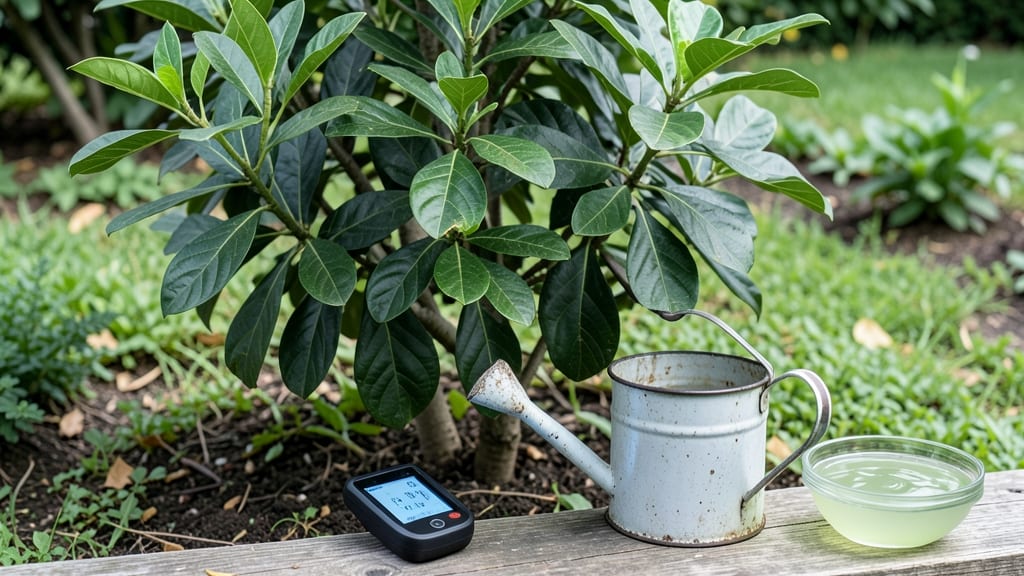
Brown leaf tips on your avocado plant? That crispy edge is almost always a watering whisper—either too much or too little. 💧 I've seen this happen to even the hardiest houseplants, and the fix is simpler than you think.
Most people panic and water more, which makes it worse. The real solution lies in checking soil moisture and adjusting your routine.
Overwatering causes those brown tips by drowning roots and blocking oxygen, while underwatering stresses the plant into conserving water at all costs. Salt buildup from tap water or fertilizer residue can also trigger the same symptoms.
Start by testing your soil moisture with your finger—if it's still damp an inch down, hold off on watering. If it's bone dry, it's time to hydrate.
You'll notice the difference within 7-10 days of adjusting your watering schedule. The crispy edges will soften, new growth will emerge, and your plant will look vibrantly green again.
For extra protection, use filtered or rainwater and avoid letting water sit in the saucer. This method works for container-grown avocados and even outdoor plants in dry climates.
Confession: I used to kill avocado plants this way until I learned the finger test. Now my plants thrive year-round with just this simple check. The key is consistency—once you find the right balance, your avocado will reward you with glossy leaves and steady growth.
Let's get those roots happy again!
Root Causes Of Leaf Discoloration
Understanding why your avocado plant’s leaves develop brown tips is the first step to saving it! These crispy edges rarely appear out of nowhere—they’re usually a cry for help from your plant.
Let’s break down the most common culprits behind this frustrating issue, so you can address the real problem (not just the symptoms).
Brown leaf tips often start as a water-related issue, and overwatering is the top offender. Avocado plants (Persea americana) are drought-tolerant and hate soggy roots. Here’s what happens:
- Root Rot & Oxygen Starvation: When soil stays too wet, roots suffocate from lack of oxygen. This triggers cellular damage, causing leaves to absorb less water and nutrients.
The tips dry out because the plant can’t transport moisture efficiently. - Salt Buildup: Overwatering flushes out nutrients but leaves behind salts and minerals in the soil.
These salts accumulate in leaf edges, burning them in a process called salt burn. - Fungal Infections: Excess moisture creates the perfect breeding ground for root fungi like Phytophthora, which weakens the plant’s ability to regulate water uptake.
🔍 How to spot it:
- Soil feels muddy or smells sour (like rotten eggs).
- Leaves turn yellow between veins (a classic overwatering sign) before browning.
- Roots look mushy or black when checked.
While overwatering gets more attention, underwatering and low humidity are just as damaging—especially in dry climates or indoors with heating/AC.
- Plasma Membrane Damage: When soil dries out completely, leaf cells lose turgor pressure. The plasma membrane (a cell’s protective barrier) ruptures in the tips, causing irreversible browning. - Transpiration Imbalance: Avocado leaves have stomata (pores) that release moisture.
In dry air, these pores close to conserve water, but the tips still lose moisture faster than the rest of the leaf—leading to desiccation. - Mineral Deficiency: Without enough water, the plant can’t mobilize nutrients (like potassium or calcium) to the edges, leaving them vulnerable to browning.
🔍 How to spot it:
- Soil is bone-dry 1–2 inches deep.
- Leaves feel crispy to the touch (like paper).
- New growth is stunted or curled.
Brown tips can also signal nutrient-related stress, particularly from excess salts, chlorine, or fluoride—common in tap water.
- Chlorine & Fluoride Toxicity: Many municipal water supplies contain these chemicals, which accumulate in leaf tissues over time. The tips absorb the highest concentration, turning brown and brittle. - Potassium Deficiency: This mineral regulates water movement in plants.
A deficiency causes leaf scorch, where tips and edges dry out first. - Calcium & Magnesium Imbalances: These minerals help maintain cell wall integrity. Without enough, cells become weak and prone to browning, especially in young leaves.
🔍 How to spot it:
- Brown tips appear uneven, with yellowing between veins (a classic deficiency sign).
- Soil tests reveal high salt levels (white crust on top).
- New leaves are smaller or deformed.
Sometimes, brown tips aren’t about water or nutrients—they’re a pest party going unnoticed.
- Spider Mites & Thrips: These tiny pests pierce leaf cells, sucking out moisture and nutrients.
Their feeding weakens the leaf edges, causing them to dry out and turn brown. - Scale Insects: These sap-sucking bugs excrete honeydew, which fosters sooty mold—a black fungus that blocks sunlight and stresses the plant. - Mechanical Damage: Rough handling (like dragging leaves) or sharp tools can tear leaf edges, exposing them to bacterial or fungal infections that turn brown.
🔍 How to spot it:
- Webbing on leaves (spider mites).
- Sticky residue (honeydew from scale insects).
- Visible bugs or egg sacs on stems.
Avocado plants are tropical natives—they hate sudden changes in their environment.
- Cold Drafts or Temperature Shocks: Dropping below 50°F (10°C) damages cell membranes, causing tips to freeze and brown.
Even indoor AC or fans can create micro-climates that stress leaves. - Direct Sunlight or Heat Stress: While avocados love light, intense afternoon sun (especially in hot climates) leads to sunburn.
The tips absorb the most UV radiation and crisp up like toast. - Fertilizer Burn: Over-fertilizing—especially with high-nitrogen or synthetic blends—can scorch leaf edges by disrupting the plant’s natural pH balance.
🔍 How to spot it:
- Brown tips appear only on one side of the plant (exposed to sun/drafts).
- Leaves have white or yellow patches (sunburn).
- Soil is recently fertilized with a strong chemical smell.
If brown tips spread rapidly or come with dark spots, a pathogen might be at play.
- Leaf Spot Diseases: Fungi like Colletotrichum or Cercospora cause brown, necrotic spots that expand. High humidity and poor airflow encourage these infections.
- Bacterial Leaf Spot: Bacteria (Xanthomonas spp.) create water-soaked brown patches that ooze when pressed. This is often fatal if untreated.
🔍 How to spot it:
- Dark, spreading lesions (not just dry tips).
- Yellow halos around brown areas.
- Black dots (fungal spores) on undersides of leaves.
Quick Fixes for Crispy Avocado Leaves
Now that you know the why behind those unsightly brown leaf tips, let’s roll up our sleeves and get your avocado plant back to its lush, green glory! 🌿✨ The good news? Most fixes are simple, fast, and require minimal tools—just a little attention and care.
Below, we’ve mapped out practical solutions for each common cause, along with prevention tips to keep your plant thriving long-term.
If your avocado plant’s roots are drowning in soggy soil, those brown tips are a cry for help. Root rot and oxygen deprivation are the culprits here, and they spread faster than you think.
How to Fix It: ✅ 🔥 Step 1: Let the Soil Dry Out - Stop watering immediately and allow the top 2–3 inches of soil to dry completely before watering again.
Stick your finger in the soil—if it’s damp past your first knuckle, wait longer. - Pro Tip: Avocado plants prefer drier soil over soggy conditions. Think "drought-tolerant" rather than "thirsty."
✅ 🍳 Step 2: Improve Drainage - If your pot lacks drainage holes, repot your avocado into a container with holes at the bottom. No repotting?
Poke holes in the pot with a nail or drill. - Mix in perlite, pumice, or coarse sand (10–20%) into your potting mix to boost aeration. A well-draining blend keeps roots happy and healthy.
✅ 👨🍳 Step 3: Check for Root Rot
- Gently remove the plant from its pot and inspect the roots. Healthy roots are firm and white; rotten roots are mushy, black, or smell foul.
- Trim away any mushy roots with sterilized scissors, then repot in fresh, dry soil.
🌡️ Prevention Tips:
- Water deeply but infrequently—only when the top 2 inches of soil are bone dry.
- Use a terracotta pot (it dries out faster than plastic).
- Avoid saucers that trap excess water—empty them after watering.
Avocado plants love light but can fry in direct, harsh sunlight, especially in hot climates. Those crispy brown edges? Sun scorch is often the villain.
How to Fix It: ✅ 🔥 Step 1: Move to Indirect Light - Gradually acclimate your plant to bright, indirect light (east or north-facing windows are ideal).
Avoid south or west windows in peak sun hours (10 AM–4 PM). - Pro Tip: If moving outdoors, harden off your plant first—start with 1–2 hours of morning sun, then increase slowly over a week.
✅ 🍳 Step 2: Provide Afternoon Shade
- Use a sheer curtain, lattice, or shade cloth (30–50% coverage) to filter harsh afternoon rays.
- If outdoors, place your avocado under a dappled shade tree (like a palm or oak).
✅ 👨🍳 Step 3: Protect from Wind
- Brown tips can also result from windburn (yes, even plants get sunburned by wind!). Move your plant to a sheltered spot or use a small windbreak (like a bamboo screen).
🎯 Prevention Tips:
- Rotate your plant weekly to ensure even light exposure (prevents lopsided browning).
- Mist leaves occasionally in dry climates to reduce transpiration stress.
- Avoid placing near AC vents or heaters, which dry out leaves quickly.
Avocado plants thrive in humid conditions (60–80% humidity). If your home is dry—thanks to heaters, AC, or desert climates—those leaf tips will crisp up faster than toast in a toaster.
How to Fix It:
✅ 💡 Step 1: Increase Humidity Nearby
- Place a humidifier near your plant (even a small one helps).
- Budget hack: Set up a pebble tray—fill a shallow tray with water and pebbles, then rest the pot on top (ensure the pot isn’t sitting in water).
✅ 🍳 Step 2: Group Plants Together
- Cluster your avocado with other houseplants to create a mini humid microclimate.
- Bonus: This also deters pests!
✅ 👨🍳 Step 3: Mist Gently (But Not Too Much)
- Lightly mist leaves 2–3 times a week with room-temperature water. Avoid wetting the soil.
- Warning: Over-misting can lead to fungal issues—balance is key!
✨ Prevention Tips:
- Avoid placing near heat sources (radiators, fireplaces).
- Wipe leaves with a damp cloth weekly to remove dust (helps them absorb moisture better).
- In winter, run a humidifier or place a bowl of water on sunny windowsills.
Too much fertilizer—especially high-salt or synthetic blends—can burn leaf edges, causing that dreaded browning. Avocado plants are light feeders, so less is often more.
How to Fix It:
✅ 🔥 Step 1: Flush the Soil
- Water your plant thoroughly for 10–15 minutes to leach out excess salts. Repeat 2–3 times over a week.
- Pro Tip: Use rainwater or distilled water if your tap water is hard (contains minerals that build up).
✅ 🍳 Step 2: Switch to a Gentle Fertilizer
- Use a balanced, organic fertilizer (like fish emulsion or compost tea) diluted to half-strength.
- Best schedule: Feed every 4–6 weeks during spring/summer only. Skip fertilizer in fall/winter.
✅ 👨🍳 Step 3: Check Your Soil pH
- Avocados prefer slightly acidic soil (pH 6.0–7.0). Test your soil with a kit and amend with sulfur (to lower pH) or lime (to raise pH) if needed.
📊 Prevention Tips:
- Never fertilize a stressed plant (e.g., if it’s already showing browning or wilting).
- Top-dress with compost instead of chemical fertilizers for slow-release nutrients.
- Avoid "fast-release" fertilizers—they spike salt levels quickly.
Sometimes, spider mites, aphids, or fungal infections cause brown, crispy edges by sapping moisture or clogging pores. Act fast before the problem spreads!
How to Fix It:
✅ 🔪 Step 1: Identify the Culprit
- Pests? Look for tiny webs (spider mites), sticky residue (aphids), or holes (thrips).
- Fungal issues? Check for yellow spots, powdery mildew, or black mold on leaves.
✅ 🍳 Step 2: Treat Pests Naturally - Spray with neem oil (1 tsp neem oil + 1 quart water + a drop of dish soap).
Spray both sides of leaves and repeat weekly. - Blast off mites with a strong stream of water from the shower. - Release beneficial insects like ladybugs or lacewings for long-term control.
✅ 👨🍳 Step 3: Fight Fungal Infections
- Prune infected leaves with sterilized scissors and dispose of them (don’t compost!).
- Apply copper fungicide or a baking soda spray (1 tsp baking soda + 1 quart water + a drop of soap).
⏰ Prevention Tips:
- Quarantine new plants for 2 weeks before introducing them to your collection.
- Wipe leaves with rubbing alcohol (
Frequently asked questions about avocado plant brown leaf tips
Why do my avocado plant's leaves only develop brown tips on the edges?
This is typically a sign of water stress or environmental factors. The leaf edges absorb moisture last, so they're the first to show signs of either underwatering (when soil is bone dry) or overwatering (when roots can't absorb enough oxygen). It can also indicate low humidity or salt buildup from tap water. Check your soil moisture by sticking your finger 1-2 inches deep.
How can I tell if my avocado plant has root rot from overwatering?
Look for these key signs: mushy, black roots when you gently remove the plant, yellowing between leaf veins, and soil that smells sour. Healthy roots should be firm and white. If you see rot, trim away the affected roots with sterilized scissors, repot in fresh, dry soil, and let the top 2-3 inches dry completely before watering again.
Will pruning brown leaf tips help my avocado plant recover?
Yes, but only as part of a larger solution. Pruning removes dead tissue that could attract pests or spread disease, but it won't fix the underlying cause. Always trim with clean scissors and dispose of the clippings. Focus first on adjusting your watering schedule, humidity levels, and light exposure—those are the real keys to recovery.
Can tap water cause brown leaf tips in my avocado plant?
Tap water often contains chlorine, fluoride, and minerals that build up in the soil and burn leaf edges. If you notice brown tips appearing after watering, try using filtered, rainwater, or distilled water instead. Flush the soil with plenty of water every few months to prevent salt buildup. A simple pebble tray under the pot can also help filter minerals.
How long will it take to see improvement after fixing the problem?
With proper care, you should see noticeable improvement within 7-14 days. New growth will emerge with healthy green edges, and existing brown tips may soften and eventually fall off naturally. Be patient—some older leaves may never fully recover, but your plant will redirect energy to producing fresh, vibrant foliage. Consistency is key, especially with watering and humidity adjustments.