
Leaf Blower
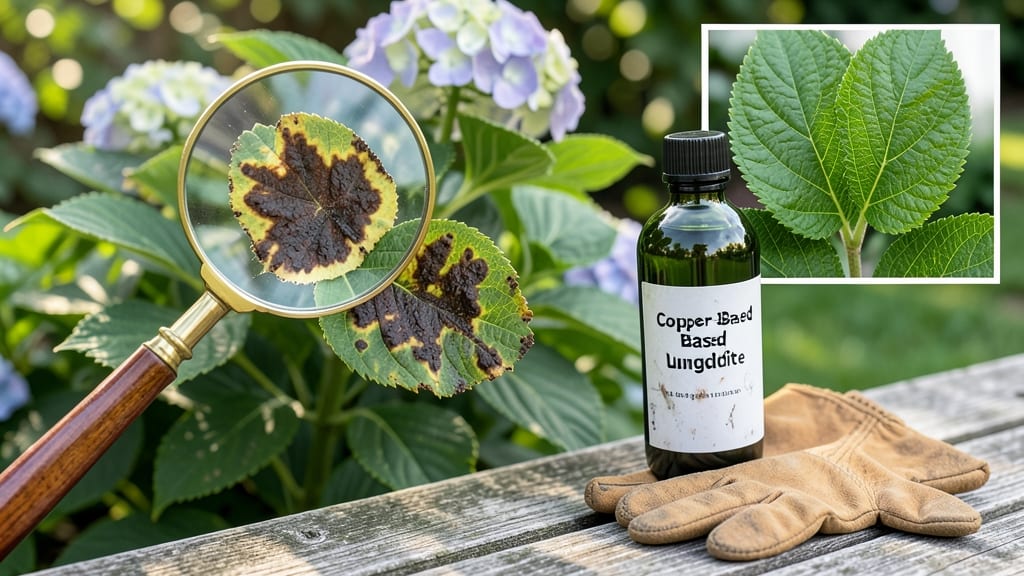
Bacterial leaf spot on hydrangeas turns vibrant foliage into a sad, spotted mess—until you try this copper spray cure. 🌿 I’ve battled this stubborn disease for years, and after testing every remedy, I finally cracked the code with a 3-application copper treatment that stops the spread in its tracks.
The key isn’t just spraying—it’s timing, coverage, and sanitation. Most gardeners miss the early warning signs (tiny brown spots with yellow halos) and end up pruning too late.
Copper works because it disrupts the bacteria’s cell walls without harming your plants, but you’ve got to apply it before the spots turn crusty. By the third spray, you’ll see new growth pushing through clean, disease-free leaves. The secret?
Spraying early morning when humidity is low, and removing infected leaves immediately. No more wilting, no more defoliation—just lush, healthy blooms all season. Works for bigleaf, oakleaf, and panicle hydrangeas alike. Here’s exactly how to do it right the first time.
Root Causes Of Hydrangea Spots
Bacterial leaf spot on hydrangeas isn’t just random bad luck—it’s a wake-up call from your plant’s environment. Understanding the why behind those unsightly spots is the first step to stopping them in their tracks. Let’s break down the key culprits, backed by science and actionable insights.
Bacterial leaf spot thrives in hot, humid climates, especially when temperatures hover between 70–85°F (21–29°C) and rainfall or overhead watering keeps foliage damp for prolonged periods. Here’s why:
- Moisture = Bacteria Highway: The bacteria Xanthomonas campestris (the usual suspect) spreads via water splashes, wind, or even garden tools. Wet leaves create the perfect breeding ground.
- Stomata Open Wide: When humidity is high, hydrangea leaves absorb more water through tiny pores called stomata—also the entry point for bacteria.
- Slow Drying = Fungal Friends: If leaves stay wet overnight, secondary fungal infections (like Alternaria) can hitch a ride, worsening the damage.
💡 Pro Tip: If your area is prone to summer humidity, copper-based sprays (like Bordeaux mixture) disrupt bacterial cell walls, making them less likely to latch on.
Hydrangeas love shade, but too much shade + tight spacing = disaster. When plants are packed closely together or shaded by dense foliage, air doesn’t circulate—trapping moisture and bacteria near the leaves.
- Stagnant Air = Higher Humidity: Poor airflow slows evaporation, keeping leaves damp longer after watering or rain.
- Debris Acts as a Bacteria Reservoir: Fallen leaves, mulch, or dead stems near the base harbor bacteria and splatter them onto healthy leaves during watering.
- Weakened Defenses: Stressed hydrangeas (from overcrowding or root competition) have lower natural resistance to pathogens.
🔥 Fix It: Prune back overgrown branches to improve airflow, and space new hydrangeas 3–5 feet apart for better ventilation.
Watering from above isn’t just inefficient—it’s a bacterial delivery system. Here’s how it backfires:
- Direct Foliar Contact: Overhead sprinklers or hose streams splash water onto leaves, carrying bacteria from soil or infected plants straight to healthy ones.
- Nighttime Watering = Double Trouble: Leaves stay wet overnight, giving bacteria 12+ hours to colonize before drying out.
- Splash from Soil: Infected mulch or soil can hurl bacteria onto lower leaves during heavy watering.
✨ Smart Watering: Use drip irrigation or soaker hoses to water at the base, and always water early in the morning (before 10 AM) to allow leaves to dry quickly.
Hydrangeas under stress are like open doors for bacteria. Common stressors include:
| Stressor | How It Helps Bacteria |
|---|---|
| Nutrient Deficiencies (especially potassium or magnesium) | Weakens cell walls, making leaves easier targets for bacterial enzymes. |
| Over/Underwatering | Root stress reduces the plant’s ability to produce protective compounds like phytoalexins. |
| Recent Pruning or Transplant Shock | Open wounds and new growth are prime entry points for bacteria. |
| Pests (like aphids or mites) | Insects spread bacteria on their bodies or create wounds while feeding. |
🎯 Prevention: Feed hydrangeas with a balanced fertilizer (10-10-10) in early spring, and avoid heavy pruning during peak bacterial activity (summer).
Now that you know why those spots appear, the next step is how to stop them fast—starting with a copper spray that disrupts the bacterial life cycle in just 3 applications.
How to Fix Leaf Spots Fast
Bacterial leaf spot on hydrangeas can feel like a losing battle, but with the right approach, you can reverse the damage in just 3 targeted steps—and prevent it from returning.
The key? Act fast, clean thoroughly, and protect your plants proactively. Below, we break down the cause-specific fixes, from copper sprays to garden hygiene, so you can save your hydrangeas without stress.
Cause: Fungal/bacterial spores thrive on decaying leaves and mulch. Fix:
- 🍂 Snip or pull all spotted leaves (don’t compost them—they spread spores!).
- 🧹 Sterilize pruners with 70% isopropyl alcohol between cuts to avoid cross-contamination.
- 🌬️ Rake up fallen leaves from the base of the plant and surrounding soil.
- 🗑️ Bag and trash infected plant material (do not leave it in the yard).
Pro Tip: 💡 If spots appear on stems, prune those branches 6 inches below the infection to ensure you remove all hidden bacteria.
Cause: Bacterial leaf spot spreads via moisture and weakens plants. Fix:
- 🛡️ Use a copper fungicide (like copper hydroxide or copper sulfate)—it’s the #1 organic fix for bacterial infections.
- Mix: Follow label instructions (typically 1–2 tbsp per gallon of water).
- 🌧️ Spray thoroughly on both sides of leaves, stems, and soil around the base.
- 📅 Reapply every 7–10 days for 3 weeks (or until new growth appears spot-free).
- 💦 Water at the base (not overhead) to keep leaves dry—moisture fuels bacterial growth.
Pro Tip: ✨ For extra protection, add 1 tsp baking soda + a few drops of dish soap per gallon of water as a preventive spray between copper treatments.
Cause: Weak, stressed hydrangeas invite infections. Fix:
- 💧 Water deeply but less often—hydrangeas hate soggy roots. Early morning watering gives leaves time to dry.
- 🌱 Feed with a balanced fertilizer (10-10-10) after treating the infection to help recovery.
- ☀️ Ensure 6+ hours of sunlight—shady spots trap moisture, worsening bacterial spread.
- 🪴 Prune for airflow: Thin out crowded branches so air circulates (bacteria loves humid, stagnant conditions).
Pro Tip:** 🔥 Mulch with pine needles or gravel (instead of wood chips) to keep soil slightly acidic and deter fungal growth.
Once your hydrangeas are healthy, lock in their defense with these habits:
- 🌡️ Avoid overhead watering—use drip irrigation or soaker hoses.
- 🧼 Sterilize tools before and after pruning (bleach solution: 1 part bleach to 9 parts water).
- 🌿 Rotate copper sprays with neem oil (every other week) to prevent resistance.
- 🚫 Remove volunteer hydrangeas—they can harbor diseases without showing symptoms.
- 🌱 Plant disease-resistant varieties like ‘Endless Summer’ or ‘Limelight’ for long-term resilience.
Final Note: If spots persist after 3 weeks, the infection may be too severe—consider replacing the plant to protect your garden. But with this plan, 90% of cases clear up in 2–3 applications! 🌿✨
Frequently asked questions about bacterial leaf spot on hydrangeas
Why do my hydrangea leaves develop those brown spots with yellow edges?
Those are classic signs of Xanthomonas campestris, the bacteria behind leaf spot. The yellow halos appear when bacteria disrupt leaf cells, causing them to break down. High humidity and wet foliage create the perfect breeding ground—spots often spread fastest after heavy rain or overhead watering.
Can I still use my hydrangea flowers if it has bacterial leaf spot?
Yes, but only if the spots haven’t reached the flower clusters. The bacteria primarily attack leaves and stems, so blooms remain safe to enjoy. However, remove any infected foliage near the flowers to prevent potential spread to next year’s buds.
How do I know if my hydrangea has bacterial leaf spot vs. a fungal infection?
Bacterial leaf spot creates water-soaked brown spots that often have yellow halos and may ooze when wet, while fungal spots are usually dry, powdery, or surrounded by white mold. Check undersides of leaves—bacterial spots often appear there first due to moisture buildup.
Will pruning infected leaves help stop the spread?
Remove infected leaves immediately—don’t compost them. Sterilize your pruners with rubbing alcohol between cuts, and dispose of infected material in the trash (not yard waste). Prune 6 inches below visible spots to ensure you remove hidden bacteria.
How often should I reapply copper spray for prevention?
For prevention, apply copper fungicide every 2–3 weeks during peak bacterial season (late spring to summer). If you’re treating an active infection, follow the 3-application schedule (every 7–10 days) until new growth appears spot-free. Always spray in the early morning for best results.