
Leaf Blower
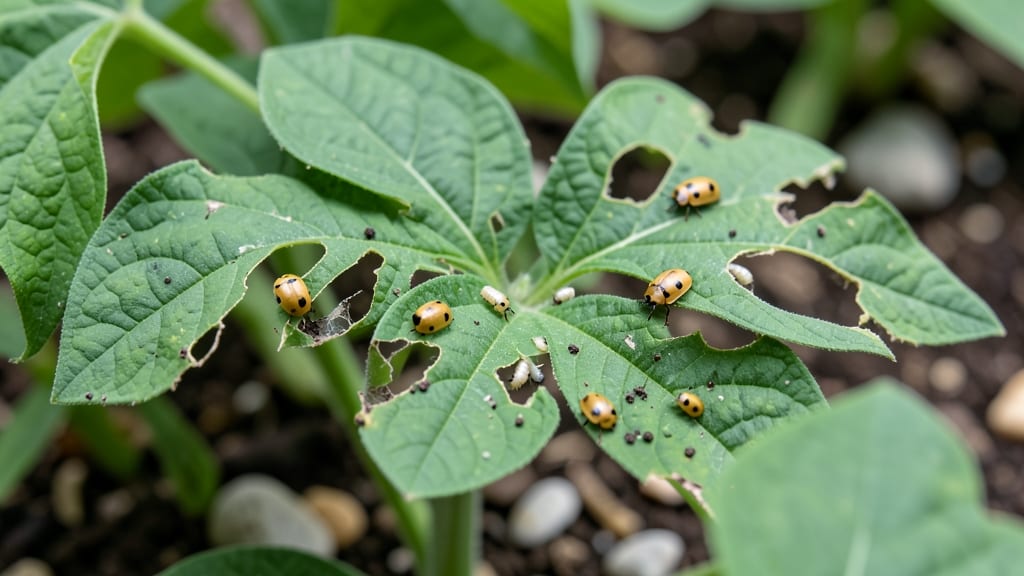
Bean leaf beetle damage turns your lush green plants into lace within days—unless you act fast. 🌱 I’ve watched entire rows of beans go from thriving to skeletal in just a week, but copper spray saved my harvest last summer, and I’m sharing exactly how.
The damage starts small: tiny holes that grow into Swiss-cheese leaves, then full defoliation. These beetles don’t just eat—they spread viral diseases too. The key is spotting them early (look for yellow-orange beetles with black spots) and acting before the damage spirals.
With a 7-day copper spray regimen, you’ll see new leaves emerge within days. The spray disrupts their feeding cycle while being safe for bees if applied at dusk. No more giving up on your bean crop—just a quick fix that works.
Prevention is even simpler: plant trap crops like mustard greens nearby, rotate crops yearly, and choose resistant varieties like ‘Tendergreen’ or ‘Contender’. Here’s how to stop the damage before it starts.
Root Causes Of Beetle Infestations
Bean leaf beetles (Cerotoma trifurcata) don’t just appear out of nowhere—they’re drawn to your garden by a mix of environmental, biological, and even human factors. Understanding these triggers is the first step to stopping their damage before it starts.
Below, we break down the key reasons these pests target your beans, soybeans, or peas—and how to disrupt their cycle.
Bean leaf beetles thrive where plants are weak. When your crops are too close together, they struggle to compete for sunlight, water, and nutrients. This stress makes them more vulnerable to beetle attacks because:
- Thinner leaves are easier for beetles to chew through.
- Reduced natural defenses (like higher tannin levels) make plants less bitter-tasting to pests.
- Slower recovery from initial feeding means more damage accumulates over time.
Actionable fix: Space plants 4–6 inches apart (for beans) or follow seed packet guidelines. Prune lower leaves to improve airflow—beetles hate dry, well-ventilated foliage.
Bean leaf beetles emerge in early spring (as early as March in warm climates) and target young, tender plants. If you plant beans:
- Too late (after mid-May in most regions), you’ll miss the beetle’s first wave but risk a second generation in summer.
- Too early (before soil warms to 60°F), seedlings may sprout slowly and become beetle buffets.
Scientific note: Beetles prefer plants at the 2–4 leaf stage—this is when they’re most susceptible. Use a soil thermometer to time planting for optimal growth speed.
These beetles are overwintering survivors. They hide in:
- Leaf litter under bushes or garden beds.
- Grassy weeds (like clover or vetch) near your crop rows.
- Woodpiles or mulch piles that retain moisture.
Why it matters: A single female can lay 400–600 eggs in her lifetime, and she’ll return to the same spot if conditions are ideal. Clearing debris before planting disrupts their lifecycle.
Bean leaf beetles love heat. Research shows they:
- Become more active above 70°F, chewing faster and laying more eggs.
- Survive better in low-humidity conditions (their exoskeletons dry out less).
- Prefer sandy or loamy soil, which warms up quicker in spring.
Pro tip: If your area is forecasted for a heatwave, monitor plants daily. Use row covers to create a cooler microclimate.
In a balanced ecosystem, beetles are kept in check by:
- Ground beetles (which eat beetle eggs).
- Birds like robins (which snack on adults).
- Parasitic wasps (which lay eggs inside beetle larvae).
Problem: Pesticides (even broad-spectrum ones) can wipe out these allies. Solution: Plant neighboring flowers like dill or marigolds to attract beneficial insects. Avoid neonicotinoid-treated seeds, which harm pollinators.
Beat Back Beetle Damage Fast
Don’t let those pesky bean leaf beetles turn your garden into a skeleton of leaves and chewed stems! With the right approach, you can revive your plants in just 7 days—or even prevent future attacks.
Below, we’ve mapped out practical fixes based on the root cause of the damage, plus prevention tips to keep your beans thriving.
If your bean leaves look like Swiss cheese, the beetles are actively feeding. A copper-based spray (like copper fungicide or homemade copper sulfate solution) creates a protective film that deters beetles on contact. Here’s how:
- 🍳 Mix it: Combine 1 tablespoon of copper sulfate with 1 gallon of water (or use a pre-mixed spray). Add a drop of dish soap to help it stick.
- 👨🍳 Spray thoroughly: Coat both sides of leaves and stems, focusing on new growth where beetles love to munch.
- 🌡️ Reapply every 5–7 days or after rain to maintain the barrier.
Why it works: Copper disrupts the beetles’ exoskeleton, making them think twice before chowing down. Plus, it’s organic and safe for humans and pets once dry!
If your beans are wilting or turning yellow from stress (thanks to beetle saliva toxins), they need a nutrient boost to bounce back faster. Try these quick fixes:
- 💡 Fertilize with compost tea: Brew a batch of compost tea (1 cup compost + 5 gallons water, steeped for 24 hours) and water your plants at the base. This adds beneficial microbes that strengthen roots.
- 🌱 Side-dress with worm castings: Sprinkle a handful of castings around the base of each plant and gently scratch into the soil. Worm castings are packed with nitrogen and phosphorus to speed up recovery.
- 🎯 Prune damaged foliage: Snip off heavily chewed leaves (but leave some intact ones to photosynthesize). This redirects energy to new growth.
Pro tip: Water in the early morning so leaves dry quickly—wet foliage attracts more beetles!
Catching the beetles early means no future infestations. If you spot tiny black eggs on the undersides of leaves or squishy orange larvae:
- 🕵️ Inspect daily: Check leaves every morning with a magnifying glass. Eggs are 1mm ovals clustered in rows.
- 🧹 Hand-pick adults: Drop beetles into soapy water (1 tablespoon dish soap + 1 gallon water) to kill them instantly. Do this in the cool of the morning when they’re sluggish.
- 🌿 Set up beer traps: Bury a shallow dish filled with beer near your plants. Beetles are attracted to the yeast and drown—gross but effective!
Warning: Avoid chemical pesticides if you see ladybugs or lacewings nearby—they’re natural beetle predators!
Stop the beetles before they start with these long-term strategies:
| Problem | Fix |
|---|---|
| Early-season beetles | Plant early-maturing varieties (like ‘Blue Lake’) to harvest before beetles peak in late June–July. |
| Overcrowded plants | Space beans 4–6 inches apart for better airflow (beetles hate dry, breezy conditions). |
| Weeds acting as hideouts | Keep your garden weed-free—beetles love to nest in clover and vetch. |
| Late-season outbreaks | After harvest, till the soil to bury beetle pupae over winter. |
💡 Bonus tip: Interplant beans with radishes or nasturtiums. The strong scent repels beetles while attracting beneficial insects.
With these steps, your beans should recover in a week and stay beetle-free for the season. Stay vigilant, act fast, and happy gardening! 🌱🚀
Frequently asked questions
What do bean leaf beetle eggs look like?
Bean leaf beetle eggs are tiny, oval, and black—about 1mm long. You’ll find them clustered in neat rows on the undersides of leaves. Check daily with a magnifying glass, especially after warm spring rains when beetles lay eggs most actively.
Will copper spray harm my bean plants?
No, copper spray is safe for plants when used correctly! It creates a protective film that deters beetles without harming the foliage. Just avoid spraying when flowers are open (to protect pollinators) and always rinse off any residue before harvest.
Can I use neem oil to control bean leaf beetles?
Neem oil works best as a preventative, not a cure. It repels beetles when applied as a foliar spray, but they’ll return once it wears off (after 24–48 hours). For active infestations, combine neem oil with copper spray for better results.
How do I know if my beans are too late for beetle damage?
If you planted after mid-June in most regions, you’ve likely missed the first beetle wave—but watch for a second generation in late summer. Beetles peak in late June–July, so late plantings may escape initial damage but still face larvae.
Are there any bean varieties resistant to leaf beetles?
Yes! Varieties like ‘Tendergreen’ and ‘Contender’ show better resistance. They’re bred to tolerate some feeding, though no variety is completely immune. Pair resistant varieties with copper spray for the best protection.