
Planting
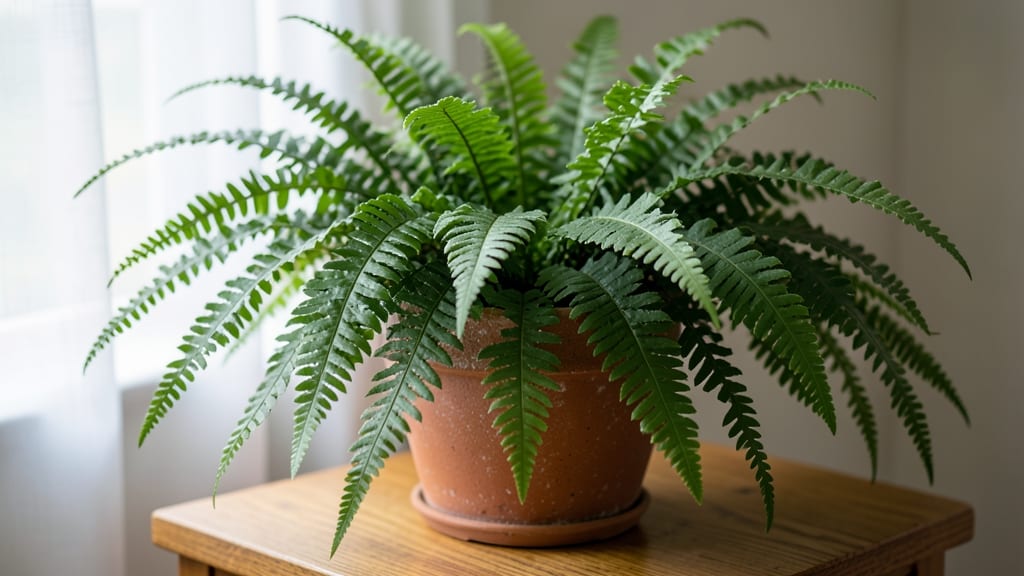
That five-leaf shiny plant you’re eyeing might be the Heuchera—a cold-hardy perennial that turns your garden into a living art gallery with its jewel-toned foliage. 💚 I’ve grown mine for years, and they’ve never failed to deliver that bold, year-round color even when other plants fade in winter.
The key is matching its light and soil needs to keep those leaves looking like polished gemstones.
Most people assume it’s just a pretty face, but Heuchera thrives in partial shade and well-draining soil—think woodland edges or under trees. Overwatering is the only real enemy, so I let the soil dry slightly between waterings.
Pruning spent leaves in early spring keeps them looking fresh, and division every few years prevents overcrowding.
You’ll end up with a low-maintenance powerhouse that blooms in late spring (though the flowers are the real star) and keeps its drama all season. The foliage ranges from deep burgundy to lime green, and it pairs beautifully with ferns, hostas, or even rocks in a dry garden bed.
If you’ve ever confused it with Potentilla (which has more leaves and less shine), this guide will help you spot the difference. The secret to success? Plant it where it gets morning sun and afternoon shade—that’s where its colors truly pop.
Understanding Leaf Loss Causes
If your five-leaf shiny plant (often Pyracantha coccinea or similar cold-hardy perennials) is dropping leaves unexpectedly, it’s usually a sign of stress. But don’t panic—most issues are fixable with a little detective work.
Below, we break down the most common reasons why these glossy, vibrant leaves might be falling prematurely, along with the science behind each cause. Think of this as your plant’s SOS signal decoder!
Cold-hardy plants like the five-leaf shiny variety are built to survive freezing temps, but they still have limits. Sudden temperature swings—whether from scorching heat or a late frost—can shock the plant into shedding leaves as a survival tactic.
- Why it happens: Rapid temperature changes disrupt the plant’s cellular processes, particularly in the phloem (the tissue that transports nutrients). When stressed, the plant prioritizes protecting its core (roots and stems) over its leaves, causing abscission (leaf drop).
- Science deep dive: Cold snaps trigger the production of ethylene, a plant hormone that accelerates leaf senescence (aging). If temps drop below the plant’s hardiness zone (typically USDA zones 5-9 for Pyracantha), the ethylene floodgates open, and leaves detach faster than they should.
Actionable fix:
- Mulch heavily in winter with 3-4 inches of organic mulch (like wood chips or straw) to insulate roots.
- Avoid planting near heat-reflecting surfaces (like black pavement) that can bake roots in summer.
- Use burlap wraps or frost cloths to shield young plants from late frosts.
The five-leaf shiny plant thrives in well-draining soil, and soggy roots are its kryptonite. Overwatering or compacted soil can suffocate roots, cutting off nutrient flow and triggering leaf drop as the plant conserves energy.
- Why it happens: Waterlogged soil depletes oxygen, leading to root hypoxia (oxygen starvation). Roots can’t absorb water or nutrients, so the plant sheds leaves to reduce transpiration (water loss) and focus on survival.
- Science deep dive: Anaerobic conditions (low oxygen) promote the growth of pathogenic fungi like Phytophthora, which attack roots. The plant’s immune system diverts energy from leaves, causing them to yellow and fall.
Actionable fix:
- Test soil drainage: Dig a hole, fill it with water, and time how long it takes to drain. If it’s slower than 6 hours, amend soil with perlite or sand.
- Water deeply but infrequently—aim for 1-1.5 inches per week, adjusting for rain.
- Plant in raised beds or slopes if your yard has heavy clay soil.
Fungal diseases like powdery mildew or leaf spot are common culprits behind premature leaf drop. These pathogens thrive in humid, stagnant conditions, weakening the plant’s structure until leaves can’t stay attached.
- Why it happens: Fungi and bacteria enter through leaf wounds or stomata (tiny pores) and release enzymes that break down pectin (the "glue" holding cells together). As the leaf tissue degrades, it detaches.
- Science deep dive: Botrytis cinerea (gray mold) and Alternaria (leaf spot) produce toxins that disrupt the plant’s ethylene signaling pathway, accelerating leaf abscission. Wet foliage for >24 hours creates the perfect breeding ground.
Actionable fix:
- Prune immediately to remove infected leaves (sterilize shears with rubbing alcohol).
- Apply copper fungicide or a baking soda spray (1 tsp baking soda + 1 quart water + a drop of dish soap) every 7-10 days.
- Space plants for airflow (3-5 feet apart) and water at the base, not overhead.
Sap-sucking pests like aphids, scale insects, or spider mites weaken leaves by draining their sap. Heavy infestations cause leaves to curl, yellow, and drop as the plant diverts energy to new growth.
- Why it happens: Pests inject toxins (e.g., salivary enzymes) that disrupt photosynthesis. The plant’s response? It sheds damaged leaves to conserve resources.
- Science deep dive: Aphids excrete honeydew, a sugary waste that fosters sooty mold (a black fungal growth). This mold blocks sunlight, further stressing the plant and accelerating leaf loss.
Actionable fix:
- Blast pests off with a strong spray of water (early morning) to dislodge them.
- Use neem oil (1 tbsp per quart of water) or insecticidal soap for heavy infestations.
- Introduce beneficial predators like ladybugs or lacewings.
The five-leaf shiny plant needs a balance of nutrients, and imbalances—whether from poor soil or over-fertilizing—can cause leaf drop. Too much nitrogen, for example, leads to lush but weak growth, while deficiencies in magnesium or iron cause chlorosis (yellowing) and leaf loss.
- Why it happens: Nutrient imbalances disrupt chlorophyll production and enzyme activity, impairing the plant’s ability to photosynthesize. Without energy, leaves become non-essential and are shed.
- Science deep dive: Magnesium deficiency (often seen as yellowing between leaf veins) hampers the RuBisCO enzyme, critical for carbon fixation. Iron deficiency (yellowing in new leaves) blocks cytochrome proteins, stalling respiration.
Actionable fix:
- Test soil with a home kit or send a sample to a local extension office.
- Amend soil with compost or a balanced fertilizer (10-10-10) in early spring.
- Avoid fertilizing in winter—it encourages tender growth that’s vulnerable to frost.
Most leaf drop issues stem from one (or a combo) of these causes. Start with the most likely culprit based on your plant’s symptoms, and you’ll have it thriving in no time! 🌿
Fixing Common Growing Challenges
Now that you know what might be stressing your five-leaf shiny plant (like Pentas lanceolata or Helleborus niger), let’s tackle those issues with simple, actionable fixes. Whether it’s yellowing leaves, leggy growth, or pests, these solutions will help your plant bounce back—and stay thriving year-round.
Cause: Too much or too little water disrupts nutrient uptake, leading to leaf discoloration.
Fix: 🔥 Check the soil moisture before watering—stick your finger 1–2 inches deep. If damp, wait; if dry, water thoroughly. 🍳 Adjust your watering routine: Water deeply but infrequently (every 1–2 weeks, depending on climate). Ensure pots have drainage holes to prevent root rot. 👨🍳 Improve drainage by adding perlite or sand to heavy soil mixes. 🥘 Fertilize lightly with a balanced, water-soluble fertilizer (10-10-10) every 4–6 weeks to boost recovery.
Prevention Tip: 💡 Group plants with similar water needs together to streamline care!
Cause: Stretching stems and sparse foliage often mean your plant isn’t getting enough light.
Fix: 🔥 Move to a sunnier spot—these plants thrive in partial to full sun (4–6 hours of direct light daily). 🍳 Rotate the pot weekly to ensure even growth and prevent leaning. 👨🍳 Supplement with grow lights (12–14 hours/day) if indoors during winter. 🥘 Prune leggy stems to encourage bushier growth—trim just above a leaf node with clean scissors.
Prevention Tip: 🌡️ Place near a south- or west-facing window for natural light boosts!
Cause: Tiny pests suck sap, causing sticky leaves, webs, or curled foliage.
Fix: 🔥 Isolate the plant immediately to prevent spreading. 🍳 Blast off pests with a strong stream of water or neem oil spray (mix 1 tsp neem oil + 1 tsp mild soap in 1 quart water). 👨🍳 Wipe leaves with a damp cloth dipped in soapy water (1 tsp dish soap per gallon). 🥘 Introduce beneficial insects like ladybugs or lacewings for long-term control.
Prevention Tip: ✨ Spray leaves with water weekly to deter pests naturally!
Cause: Overwatering, transplant shock, or compacted roots can cause sudden wilting.
Fix: 🔥 Let the soil dry out completely before watering again. 🍳 Repot if roots are circling—choose a pot just 1–2 inches larger with fresh, well-draining soil. 👨🍳 Trim damaged roots (if repotting) with sterilized scissors. 🥘 Mist leaves lightly to restore humidity if the air is too dry.
Prevention Tip: 🎯 Acclimate new plants gradually to outdoor conditions over 1–2 weeks!
Bonus Tip: 📊 Keep a plant care journal to track watering, sunlight, and growth—it helps spot patterns fast!
With these fixes, your five-leaf shiny plant should perk up in no time. Stay consistent, and soon you’ll have a lush, vibrant centerpiece that steals the show all season!
Frequently asked questions
What’s the best way to identify my five-leaf shiny plant?
Your plant is likely Heuchera (coral bells) or Potentilla, but here’s how to tell: Heuchera has smooth, glossy leaves with five distinct lobes and thrives in shade, while Potentilla has hairy stems and more leaves per cluster. Check leaf texture—Heuchera feels like polished velvet!
Can I grow this plant indoors year-round?
Yes! Place it near a bright, indirect window (east or north-facing) and supplement with grow lights in winter. Use a well-draining potting mix and water only when the top 1 inch of soil feels dry. Avoid drafts—this plant hates temperature swings!
Why are my leaves turning brown at the edges?
This usually means underwatering or low humidity. Check soil moisture—if dry, water thoroughly. For indoor plants, place the pot on a pebble tray with water or mist leaves 2-3 times weekly. Brown tips often recover in 1-2 weeks with proper care.
How do I propagate this plant for free?
Divide mature plants in early spring or take stem cuttings in summer. For division, dig up the plant, separate roots gently, and replant sections. For cuttings, snip a 4-inch stem, remove lower leaves, and dip in rooting hormone before planting in moist soil. Keep humid until roots form (4-6 weeks).
Is this plant toxic to pets?
No! Heuchera and similar five-leaf plants are non-toxic to cats and dogs. They’re safe for homes with pets, though always monitor for overindulgence (like eating any plant). The real danger is fertilizer residue—use pet-safe organic options if concerned.