
Planting
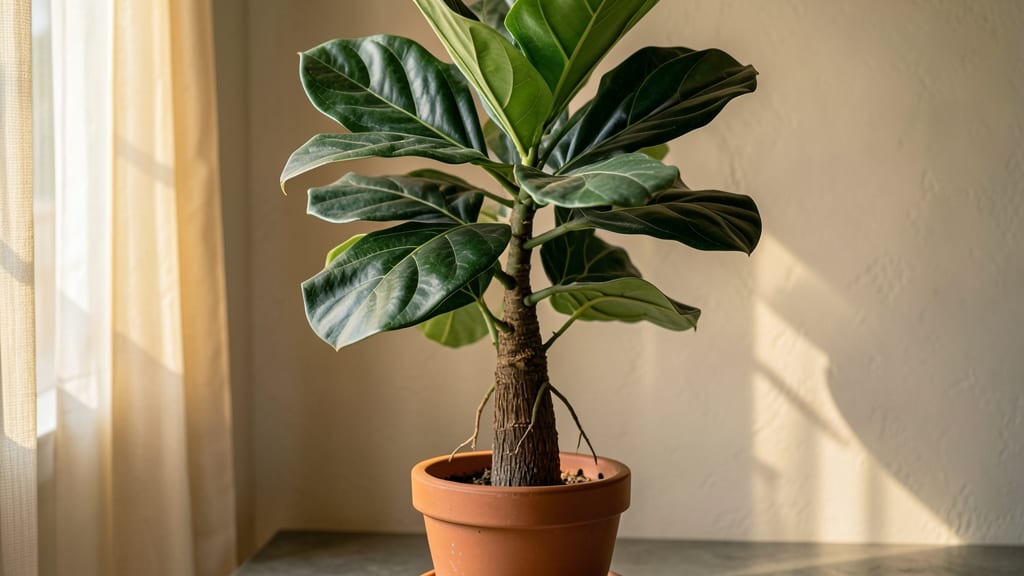
Keeping a fiddle leaf fig plant alive indoors isn’t as tricky as it seems—once you know its secrets. 🌿 My first one nearly died from overwatering, but now I’ve got a thriving 6-foot beauty that’s the centerpiece of my living room.
The key? Understanding what this tropical plant really needs to stay happy.
Fiddle leaf figs love bright, indirect light—think east or north-facing windows, or a few feet from a south window. They hate soggy roots, so let the top 2-3 inches of soil dry out between waterings, and always use a pot with drainage.
Humidity matters too: these plants crave the damp air of their native rainforests, so misting or a pebble tray helps, especially in dry climates.
With the right care, your fiddle leaf fig will reward you with glossy, deep-green leaves and a sturdy growth habit. Prune leggy stems to encourage bushiness, and wipe those leaves occasionally to keep them dust-free and photosynthesizing efficiently.
The best part? Even if you’ve killed one before, this plant is forgiving once you learn its language.
Ready to turn your fiddle leaf fig from "maybe" to "magnificent"? Let’s troubleshoot common issues like yellow leaves, brown tips, and pests—because every plant problem has a solution. You’ve got this!
📚 In This Guide
- What you need
- Instructions
- Tips and common mistakes
- Wrapping up and next steps
What you need
- ● Fiddle Leaf Fig Plant (1-2 mature plants for optimal growth)
- ● Well-draining potting mix (10-15 lbs): Use a blend of peat moss, perlite, and orchid bark (or a pre-mixed ficus-friendly soil).
- ● Pot with drainage holes (1-2 sizes larger than the current root ball; 10-14" diameter for mature plants).
- ● Watering can or spray bottle (with a narrow spout for precision).
- ○ Humidity tray or pebble tray (optional but helpful for dry climates).
- ● Fertilizer (balanced liquid fertilizer, 10-10-10 or 20-20-20; 1-2 bottles).
- ● Pruning shears (sterilized, sharp pair for trimming).
- ○ Gloves (optional, to protect hands from sap).
- ● Bright, indirect light (east or north-facing window; avoid harsh afternoon sun).
- ● Consistent temperature (65–75°F; avoid drafts or sudden changes).
- ● Patience (fiddle leaf figs thrive with stable care—no rushing!).
- ● Grow lights (LED full-spectrum for low-light spaces).
- ● Soil moisture meter (to check hydration levels).
- ● Decorative cache pots (for styling; ensure outer pot has drainage).
- ● Plant food additives (like worm castings for extra nutrients).
How to keep your fiddle leaf fig plant thriving indoors
Here's my foolproof approach to growing a lush, healthy fiddle leaf fig—no guesswork, just results.
🪴 Step 1: Choose the Right Spot for Light and Humidity
Fiddle leaf figs need bright, indirect light—think east or north-facing windows where sunlight filters gently. A south window works too, but use a sheer curtain to diffuse harsh afternoon rays. I place mine 3-6 feet from the window, rotating the pot quarter-turn weekly so all sides get even light.
If your space lacks natural light, a grow light positioned 12-18 inches away for 12-14 hours daily will keep leaves vibrant. Watch for signs of stress: yellowing leaves mean too much light, while dark, sparse growth signals it’s not getting enough. Adjust gradually—sudden changes shock the plant.
💧 Step 2: Water with Precision—Less Is Better
Wait until the top 2-3 inches of soil feel completely dry before watering—this prevents root rot, the #1 killer of fiddle leaf figs. Stick your finger in the soil; if it’s damp, wait another day. When you do water, soak the soil until water runs out the drainage hole, then empty the saucer to avoid soggy roots.
I use room-temperature water to avoid shocking the roots. Overwatering causes brown spots and droopy leaves, while underwatering leads to crispy edges. The key is consistency—stick to a schedule but always check the soil first. In winter, watering every 2-3 weeks is often enough, while summer may require weekly watering.
☀️ Step 3: Maintain Ideal Temperature and Humidity
Fiddle leaf figs thrive in 65-75°F temperatures—keep them away from drafts, heating vents, or cold windows. If your home runs dry, increase humidity by placing the pot on a tray of pebbles with water (ensure the pot isn’t sitting in water) or using a humidifier nearby. Aim for 40-50% humidity; anything below 30% causes leaf edges to brown.
Mist the leaves lightly in the morning to simulate a tropical environment, but avoid wetting them at night—this encourages fungal growth. Grouping plants together also boosts humidity naturally. If leaves develop brown tips, it’s a sign the air is too dry, and you’ll need to adjust your care routine immediately.
✂️ Step 4: Dust Leaves and Prune Strategically
Dust the large, glossy leaves weekly with a damp microfiber cloth—this keeps pores open for maximum photosynthesis. I wipe them gently in the shower to remove buildup without damaging the delicate surface. Healthy leaves should feel slightly waxy; dull or sticky leaves need a deeper clean.
Prune only when necessary—trim yellow or brown leaves at the base with clean, sharp scissors to encourage new growth. If your fig gets leggy, cut back stems to just above a leaf node. Never prune more than 20% of the plant at once, or you’ll stress it. Save trimmings in water to propagate new plants—fiddle leaf figs root easily!
🌱 Step 5: Fertilize and Repot Thoughtfully
Feed your fiddle leaf fig every 4-6 weeks in spring and summer with a balanced, water-soluble fertilizer diluted to half strength. Avoid fertilizing in fall and winter when growth slows. I use a 20-20-20 mix but switch to a 30-10-10 in late summer to boost flowering potential (yes, they can bloom!).
Repot every 2-3 years or when roots circle the pot. Choose a container just 1-2 inches larger in diameter—bigger pots hold too much moisture and risk root rot. Use a well-draining mix with perlite or orchid bark. After repotting, hold off on fertilizing for 4-6 weeks to let the plant recover.
Tips & tricks for perfect fiddle leaf fig care
These little details make all the difference between a struggling fiddle leaf fig and one that thrives for years.
Light Rotation Secret: That quarter-turn weekly rotation in Step 1 isn't just about even growth—it prevents the plant from leaning toward the light. I notice my figs grow straighter and fuller when I make this small adjustment. Use a timer reminder if you forget, because consistent rotation prevents that lopsided look that drives plant lovers crazy.
Soil Test Hack: Before watering in Step 2, stick your finger 2-3 inches deep—if it comes out clean, water thoroughly. If it's still damp, wait another day. I keep a small moisture meter nearby for beginners; it takes the guesswork out of this critical step. Remember, soggy soil is the silent killer of fiddle leaf figs.
Humidity Boost: For that 40-50% humidity range in Step 3, try this: Place your plant's pot on a bed of pebbles with water in a shallow tray (just don't let the pot sit in water). The evaporating water creates natural humidity. I add a few drops of essential oil-free plant spray around the leaves for extra moisture—just avoid the leaves themselves to prevent fungal issues.
Pruning Payoff: When pruning in Step 4, save those cuttings! Place them in water with just the node submerged, and you'll have new plants in about 3-4 weeks. I've propagated five figs this way—it's like getting free plants while giving your main fig a fresh start. Just be patient; fiddle leaf figs grow slowly but steadily.
Pro Tips for Fiddle Leaf Fig Plant Live
- These little details make all the difference between a struggling fiddle leaf fig and one that thrives for years.
- Light Rotation Secret: That quarter-turn weekly rotation in Step 1 isn't just about even growth—it prevents the plant from leaning toward the light.
- Soil Test Hack: Before watering in Step 2, stick your finger 2-3 inches deep—if it comes out clean, water thoroughly.
Frequently asked questions
Got questions about keeping your fiddle leaf fig plant thriving?
You’re not alone! Here are answers to the most common concerns—so you can avoid stress and enjoy a lush, happy plant.
How often should I water my fiddle leaf fig?
Water your fiddle leaf fig only when the top 1-2 inches of soil are completely dry. Overwatering is the #1 killer—stick your finger in the soil to check! In winter, reduce watering to every 3-4 weeks, as growth slows. Pro tip: Use a well-draining pot and saucer to prevent root rot.
Why are the leaves dropping or turning brown?
Brown leaves or leaf drop usually mean underwatering, overwatering, or stress. Check the soil moisture first—if it’s bone-dry, water thoroughly. If soggy, let it dry out and repot if needed. Sudden temperature changes or drafts (like AC vents) can also trigger shedding. Keep your plant in stable, indirect light (6+ hours/day).
How do I know if my fiddle leaf fig is getting enough light?
Ideal light is bright, indirect sunlight—think east or north-facing windows. Signs of too little light: leggy growth, small leaves, or yellowing. Too much direct sun? Look for crispy edges or sunburn spots. Rotate the plant weekly for even growth, and avoid harsh afternoon sun in summer.
Can I prune my fiddle leaf fig, and how?
Yes! Prune to shape the plant, encourage bushiness, or remove dead leaves. Use clean, sharp scissors to cut just above a leaf node (where leaves grow). Don’t worry—it won’t harm the plant! You can also propagate the cuttings in water or soil. Best time to prune: Spring or early summer when the plant is actively growing.
What pests should I watch for, and how do I treat them?
Common pests include spider mites, mealybugs, and scale. Check the undersides of leaves for webbing, white cottony spots, or sticky residue. Treat with neem oil or insecticidal soap, and isolate the plant to prevent spreading. For severe infestations, wipe leaves with a damp cloth and repeat treatments every 5-7 days.
Wrapping up and next steps
Caring for a fiddle leaf fig plant indoors is totally doable—even for beginners! 🌿 With the right balance of light, water, and attention, you’ll watch this stunning plant thrive and become the star of your space. Remember, consistency is key, and don’t be afraid to troubleshoot when issues pop up.
Ready to take your green thumb to the next level? Start small: pick one fiddle leaf fig and experiment with care tips. Soon, you’ll be sharing your plant’s success story with fellow plant lovers! 🌟