
Planting
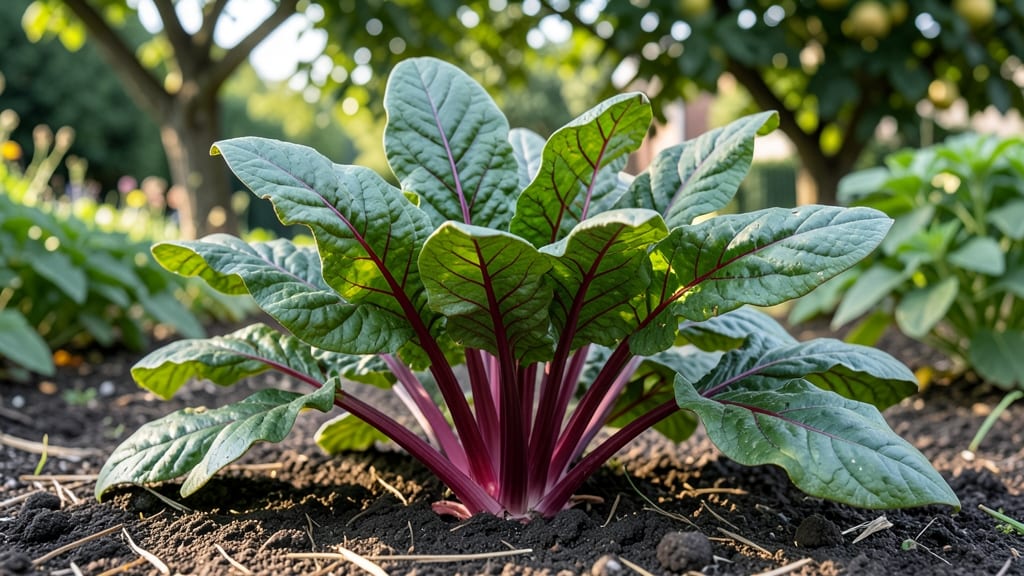
Growing betal leaf plant transforms your space into a lush tropical escape with almost no effort. 🌿 This fast-growing vine thrives in warm climates and handles neglect like a pro—perfect for busy gardeners who still want dramatic foliage.
The secret lies in its adaptability: it grows in partial shade, tolerates occasional dry spells, and even purifies indoor air when grown as a houseplant.
You’ll need well-draining soil (regular potting mix works), a sturdy trellis or container (6+ inches deep), and a spot with bright, indirect light. Propagation is foolproof—either snip healthy stems for cuttings or sow seeds in warm soil.
Within 4-6 weeks, you’ll see vibrant green leaves that darken to deep purple when cooked, making it a dual-purpose plant for both beauty and the kitchen.
Harvest leaves anytime by pinching them off, and the plant keeps producing. It’s naturally pest-resistant, though spider mites might visit in dry conditions—just mist the leaves to deter them. The betal leaf plant’s real magic? It grows 3-6 feet per season, perfect for vertical gardens or covering unsightly fences.
Between you and me, this plant is the ultimate low-maintenance star. Whether you’re growing it for its striking foliage, culinary potential, or just to fill empty corners, it delivers. Ready to add some tropical drama to your space?
📚 In This Guide
- What you need
- Instructions
- Tips and common mistakes
- Wrapping up and next steps
What you need
- ● Betal leaf plant: 1 healthy nursery-grown plant (3–6 inches tall, with vibrant foliage)
- ● OR 2–3 fresh cuttings (4–6 inches long, with 2–3 leaf nodes)
- ● OR Seeds (if propagating from scratch—germination can be tricky!)
- ● Well-draining potting mix: 1 bag (1–2 cubic feet) of a blend like African violet mix or cactus/succulent soil + 20–30% perlite or orchid bark for aeration.
- ● Pot: 1 container with drainage holes (6–8 inches in diameter for a starter plant; upgrade as it grows).
- ● Watering can or spray bottle: With a fine rose nozzle for gentle hydration.
- ● Pruning shears: Sharp, sterilized shears (for cuttings or trimming).
- ○ Gloves: Optional but recommended (betal leaves can irritate skin).
- ○ Rooting hormone (optional): Gel or powder to boost cutting success.
- ● Humidity dome or plastic wrap: For seedling/cutting propagation (remove once roots establish).
- ● Fertilizer: Balanced liquid fertilizer (10-10-10 or 20-20-20, diluted to half-strength).
- ○ Mulch (optional): Pine bark or coconut coir to retain moisture.
- ● A bright, indirect light spot (east or west window, or under grow lights).
- ● Warmth: Ideal temps between 65–80°F (18–27°C). Avoid drafts!
- ● Patience: Betal plants grow slowly but reward you with stunning blooms in 1–2 years.
Step-by-step instructions for growing the stunning betal leaf plant
Here’s how to coax this bold, velvety-leaved stunner into your space—it’s easier than you think!
🪴 Step 1: Select the Perfect Container and Soil
The betal leaf plant (Codonanthe ulei) thrives in well-draining, airy soil that mimics its tropical understory habitat. Choose a 6-8 inch pot with drainage holes—terracotta works best, as it wicks away excess moisture. I avoid plastic because it traps humidity and risks root rot.
Use a blend of 50% premium potting mix and 50% perlite or orchid bark to create that loose, chunky texture. The roots need oxygen, so don’t compact the soil—just gently press it around the base. A 1-inch layer of charcoal at the bottom prevents souring and keeps the mix fresh longer.
☀️ Step 2: Position for Bright, Indirect Light
This plant hates direct sun—its leaves will scorch like overcooked bacon. Place it 3-5 feet from an east-facing window or under 50% shade cloth outdoors. You’ll know you’ve got it right when the leaves stay deep purple-black with that signature velvety sheen.
If your space only has south light, move it back 8-10 feet and supplement with a grow light on a 12-hour timer. Watch for yellowing edges—that’s a sign of too much light. Rotate the pot quarter-turn weekly so growth stays even and the plant doesn’t lean toward the window.
💧 Step 3: Master the Watering Routine
Overwatering is the #1 killer of betal leaf plants. Stick your finger 1 inch into the soil—if it’s dry, water until moisture runs from the drainage hole. Let it drain completely before placing it back in its saucer. I water every 5-7 days in summer, but every 10-14 days in winter when growth slows.
Mist the leaves 2-3 times a week to recreate humidity levels of its native rainforest. You’ll see the difference when the leaves stay plump and glossy instead of crispy at the edges. Avoid cold water—always use room-temperature to prevent shock.
✂️ Step 4: Prune for Bushier Growth
Pinch back the tips of new growth when stems reach 4-6 inches to encourage branching. Use clean, sharp scissors and cut just above a leaf node—this is where new shoots will sprout. I do this every 6-8 weeks in spring and summer to keep the plant full and compact.
Remove any yellow or damaged leaves immediately—they’re energy drains. If your plant gets leggy, prune the longest stems back by one-third and place the cuttings in water to propagate. You’ll have fresh baby plants in 4-6 weeks!
🌿 Step 5: Feed and Maintain Year-Round
Feed with a balanced liquid fertilizer (10-10-10) diluted to half-strength every 4-6 weeks during spring and summer. In fall and winter, cut back to once every 8 weeks—the plant rests then. I always fertilize after watering to prevent root burn.
Wipe the leaves monthly with a damp cloth to remove dust—this helps them absorb light efficiently. If you notice pests like spider mites, treat immediately with neem oil (they hate it!). With this care, your betal leaf plant will reward you with bold, dramatic foliage for years.
Tips & tricks for perfect betal leaf plant care
Here’s what nobody tells you about keeping this tropical beauty thriving—these secrets will make all the difference!
Soil Science: The betal leaf plant’s roots need that perfect airy mix because they’re sensitive to soggy conditions. I always sift the perlite or orchid bark into the potting mix instead of just dumping it in—this creates even distribution for that critical drainage. And that 1-inch charcoal layer? It’s not just for looks—it prevents bacterial buildup in the soil that can cause those nasty yellow leaves we all dread. Think of it as your plant’s natural water filter!
Light Strategy: That 3-5 feet from an east-facing window isn’t just a suggestion—it’s the Goldilocks zone for betal leaves. Too close and you’ll get crispy edges, too far and the leaves lose their dramatic color. I’ve found that placing the plant on a rotating plant stand (even a lazy Susan works!) lets me adjust its position throughout the day without moving it completely. This mimics natural light shifts in its tropical home.
Pruning Precision: When you’re pinching those 4-6 inch stems, look for the first set of leaves after the tip—this is your leaf node. Cut just above it at a 45-degree angle to maximize surface area for new growth. I’ve ruined perfectly good cuttings by cutting too close to the node (no new shoots) or too far (stunted growth). And here’s a pro move: save those pinchings! Place them in water with a drop of rooting hormone and you’ll have baby plants in 4-6 weeks.
Fertilizer Finesse: That half-strength 10-10-10 mix is your sweet spot—too strong and you’ll burn those delicate roots. I’ve learned the hard way that fall and winter are true rest periods: even with the reduced schedule, I’ve seen plants stressed by over-fertilizing during their dormant phase. Always water first, then fertilize—this prevents salt buildup that can cause those unsightly white crusts on the soil surface.
Pro Tips for Betal Leaf Plant
- Here’s what nobody tells you about keeping this tropical beauty thriving—these secrets will make all the difference!
- Soil Science: The betal leaf plant’s roots need that perfect airy mix because they’re sensitive to soggy conditions.
- Light Strategy: That 3-5 feet from an east-facing window isn’t just a suggestion—it’s the Goldilocks zone for betal leaves.
Frequently asked questions
Got questions about growing or caring for your betal leaf plant? You’re not alone—this tropical beauty has a few quirks! Here are answers to the most common queries to keep your plant thriving with ease.
How often should I water my betal leaf plant?
Water your betal leaf plant when the top 1–2 inches of soil feel dry. Aim for moderate moisture—overwatering can lead to root rot, while underwatering causes crispy leaves. In humid climates, water every 5–7 days; in dry air, check soil daily. Pro tip: Use a moisture meter for accuracy!
Why are the leaves turning yellow or brown?
Yellowing leaves often signal overwatering, while brown edges or crispiness usually mean underwatering or low humidity. Check soil moisture first—adjust your watering schedule. If the air is dry, mist leaves or place a pebble tray nearby. Pests like spider mites can also cause browning; inspect undersides of leaves!
How fast does the betal leaf plant grow?
With ideal conditions (bright, indirect light and consistent moisture), your betal leaf plant can grow 6–12 inches per year. Younger plants grow faster, while mature ones may slow down. Prune leggy stems to encourage bushier growth. Fun fact: Its vibrant foliage adds drama quickly—perfect for instant tropical vibes!
Can I grow betal leaf plant outdoors in cold climates?
Nope! Betal leaf plants (Cordia sebestena) are tropical and thrive in USDA zones 10–12. In colder areas, grow it as a houseplant near a sunny window or under grow lights. If you’re brave, overwinter it indoors and move it out after the last frost. No frost = no betal leaves!
What’s the easiest way to propagate betal leaf plant?
Propagation is simple! Snip a 4–6 inch stem with 2–3 leaves, remove lower leaves, and dip the cut end in rooting hormone (optional). Plant in moist potting mix and keep humid (use a plastic bag or propagator). Roots should form in 4–6 weeks. Pro tip: Water lightly until new growth appears!
Wrapping up and next steps
The betal leaf plant is a stunning, low-maintenance addition to any home—packed with vibrant foliage and resilience that even beginner gardeners can appreciate! 🌿 Whether you’re drawn to its striking leaves or the ease of its care, this tropical beauty proves that drama in your space doesn’t require high effort.
Ready to elevate your plant collection?
Your next step? Grab your betal leaf cutting and dive in—watch your indoor jungle thrive with just a little sunlight and love! 🌱