
Companion Plants
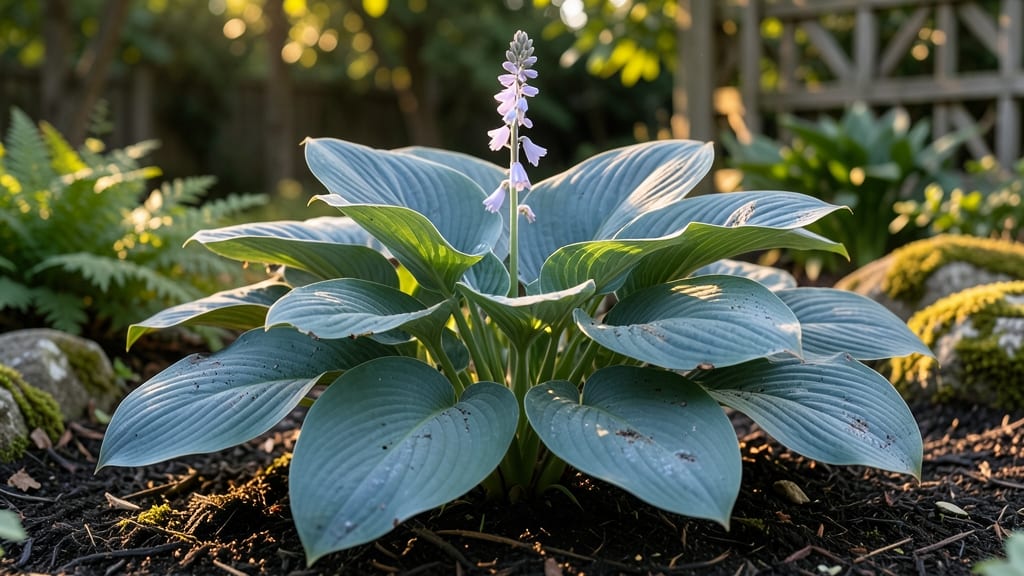
Big leaf hosta plants bring that lush, velvety shade garden drama you didn’t know you needed. 🌿 I’ve grown these for years, and they’re the secret weapon for turning dull corners into lush, textured focal points—even in full shade where other plants struggle.
The key is mimicking their natural habitat: moist, rich soil that drains well, and partial shade (morning sun is fine, but afternoon heat will scorch those big leaves).
Plant them in spring or fall when roots can establish before extreme temperatures hit, and space them 2-3 feet apart—they’ll spread, but not invasively. By summer, you’ll have those monstrous, glossy leaves you’ve always wanted, with dramatic variegation that catches every ray of light.
The best part? They’re tough—survive winter, bounce back from deer nibbles, and multiply like crazy (which means free plants for friends). Here’s how to keep them thriving without the common pitfalls—like overwatering or planting in too much sun—that turn hostas into sad, wilty messes.
📚 In This Guide
- What you need
- Instructions
- Tips and common mistakes
- Wrapping up and next steps
What you need
- ● Big Leaf Hosta Plants: 3–5 mature plants (varies by garden size; spacing 2–3 ft apart for full coverage). Choose cold-hardy varieties like 'Blue Angel' or 'Francee'.
- ● Well-Draining Soil: 1–2 cubic yards of organic-rich soil mix (amend with compost or peat moss for moisture retention).
- ● Mulch: 2–3 inches of shredded bark or wood chips (to retain moisture and suppress weeds).
- ● Watering Can or Hose: With a gentle spray nozzle for even hydration.
- ● Garden Gloves: Heavy-duty to protect hands during planting.
- ● Pruners: Sharp, clean bypass pruners for trimming dead foliage.
- ○ Stakes (Optional but Helpful): 6-inch bamboo stakes for support if planting in windy areas.
- ● Garden Shovel or Trowel: For digging planting holes (12–18 inches deep).
- ● Measuring Tape: To ensure proper spacing between plants.
- ○ pH Test Kit (Optional): Ideal soil pH: 6.5–7.5 (hostas thrive in slightly acidic to neutral soil).
- ● Fertilizer (Slow-Release): 10-10-10 or balanced organic fertilizer (apply in early spring).
- ● Shade Cloth (For Young Plants): Lightweight 30–50% shade cloth if planting in hot climates.
Step-by-step guide to planting and caring for big leaf hostas
Here's how to grow lush, cold-hardy hostas with minimal fuss—perfect for adding drama to shady spots.
🪴 Step 1: Choose the Right Planting Spot
Hostas thrive in partial to full shade, with 4-6 hours of morning sun at most. I always check the spot for dappled sunlight patterns—hostas hate harsh afternoon rays, which scorch their leaves. Test your location by placing a white board where you plan to plant; if it stays cool to the touch for most of the day, it's ideal.
Dig a hole twice as wide as the root ball but only as deep. Hostas dislike sitting too low in the soil, which can cause rot. Amend the native soil with 2-3 inches of compost mixed into the bottom of the hole. This improves drainage while keeping moisture levels perfect for their shallow roots.
🌱 Step 2: Plant Hostas at the Correct Depth
Remove the hosta from its container and gently loosen the roots if they're circling. Place it in the hole so the top of the root ball sits level with the surrounding soil—never deeper. Big leaf varieties need this depth to prevent crown rot, which is fatal. I tap the soil lightly around the edges to eliminate air pockets while keeping it loose.
Fill the hole with soil, pressing down gently to secure the plant. Water deeply right after planting to settle everything. You'll see the soil sink slightly—this is normal. Top with 1-2 inches of mulch (like shredded bark) to protect the roots and keep moisture consistent. Avoid mulching too close to the crown, as this can trap dampness.
☀️ Step 3: Water and Feed for Optimal Growth
Water hostas once a week during the first growing season, aiming for 1-1.5 inches of water per week. Big leaf varieties need consistent moisture but hate soggy soil. Check by sticking your finger 2 inches deep—if it feels dry, water again. I always water in the morning so leaves dry quickly, preventing fungal issues.
Feed with a balanced, slow-release fertilizer (10-10-10) in early spring and again after flowering. Over-fertilizing causes weak stems and attracts slugs. I skip fertilizer in fall to let the plant harden off for winter. Hostas reward patience—you'll see new leaves emerge in 3-4 weeks after planting.
✂️ Step 4: Divide and Maintain for Long-Term Health
Divide hostas every 3-4 years in early spring or fall when they become overcrowded. Dig up the clump, separate the sections with a clean knife, and replant immediately. Big leaf varieties handle division well, but I always keep at least 3-4 leaves per division to ensure strong regrowth.
Remove dead or damaged leaves in late winter to encourage fresh growth. Avoid cutting healthy foliage—hostas store energy in their leaves for spring. In fall, cut back yellowed leaves but leave the crown intact. Hostas are cold-hardy down to zone 3, but a thick layer of mulch helps protect them through harsh winters.
Tips & tricks for perfect big leaf hosta planting
Big leaf hostas reward careful attention to detail—here's how to avoid common pitfalls and get stunning results every time.
Shade Testing: Before planting, observe your chosen spot for at least a week to map sunlight patterns. Hostas thrive with 4-6 hours of morning sun but will scorch in afternoon rays. I test by placing a white board in the spot—if it stays cool to the touch for most of the day, it's perfect. This simple check prevents leaf burn that can ruin your hostas' dramatic foliage.
Root Ball Depth: The most critical planting mistake is burying too deep—big leaf varieties need the top of their root ball level with the surrounding soil. I use a small stake marked at the root ball's height to ensure perfect placement. Planting too deep causes crown rot, which is fatal to these cold-hardy perennials. A quick visual check during planting saves hours of trouble later.
Mulching Strategy: Apply 1-2 inches of mulch (like shredded bark) after planting, but keep it 2-3 inches away from the crown. This protects roots while preventing moisture buildup that leads to rot. I always refresh mulch in early spring to maintain consistent moisture levels—hostas need that steady water supply to develop their signature large, lush leaves.
Watering Wisdom: The 1-1.5 inches of water per week recommendation is perfect, but timing matters just as much. Always water in the morning so leaves dry quickly, preventing fungal diseases. I check soil moisture by sticking my finger 2 inches deep—if it feels dry, that's when to water. This simple routine keeps your hostas thriving without the risk of soggy soil they despise.
Pro Tips for Big Leaf Hosta Plants
- Big leaf hostas reward careful attention to detail—here's how to avoid common pitfalls and get stunning results every time.
- Shade Testing: Before planting, observe your chosen spot for at least a week to map sunlight patterns.
- Root Ball Depth: The most critical planting mistake is burying too deep—big leaf varieties need the top of their root ball level with the surrounding soil.
Frequently asked questions
What’s the best time of year to plant big leaf hostas?
Plant them in early spring or early fall when soil is workable but not freezing. Avoid extreme heat or cold—hostas need time to establish roots. If you must plant in summer, keep soil moist and mulch heavily to reduce stress.
Why are my hosta leaves getting chewed by slugs or snails?
Big leaf hostas are a slug and snail buffet—their tender leaves are irresistible! Set out beer traps, use iron phosphate baits, or handpick pests at night (they’re most active then). For heavy infestations, try diatomaceous earth around the base.
Can big leaf hostas survive in full shade all day?
Yes! They thrive in full to partial shade (2–6 hours of sun max). Too much direct sun causes leaf scorch (brown edges). If your garden is bright, plant them where they get dappled shade or morning sun only.
How cold-hardy are big leaf hostas really?
Most big leaf varieties handle USDA Zones 3–8, surviving winters down to -20°F (-29°C). Mulch heavily with straw or shredded leaves in late fall to protect crowns. In Zone 9+, they may need afternoon shade to prevent heat stress.
What’s the best companion plant for big leaf hostas?
Pair them with ferns, astilbes, or bleeding hearts for a lush, layered look. Avoid aggressive spreaders like mint or creeping Jenny. For height contrast, try carex sedges or Japanese forest grass. Pro tip: Add alliums to deter slugs naturally!
My hosta leaves are turning yellow—what’s wrong?
Yellowing can mean overwatering, poor drainage, or nutrient deficiency. Check soil moisture (they hate soggy roots!) and amend with compost. If older leaves yellow first, it’s normal aging. New leaves yellowing? Test soil pH (ideal: 6.5–7.5) and fertilize lightly in spring.
Wrapping up and next steps
Big leaf hosta plants bring timeless beauty and resilience to shade gardens, thriving in cool climates and adding lush texture to any landscape. Whether you're a seasoned gardener or just starting, their low-maintenance nature and striking foliage make them a fantastic choice for year-round interest.
Ready to elevate your garden? Start by selecting the perfect variety, prepping your soil, and giving these shade-loving stars the care they deserve—your garden will thank you!
- Next step: Pick your favorite big leaf hosta and plant it this season!