
Leaf Blower
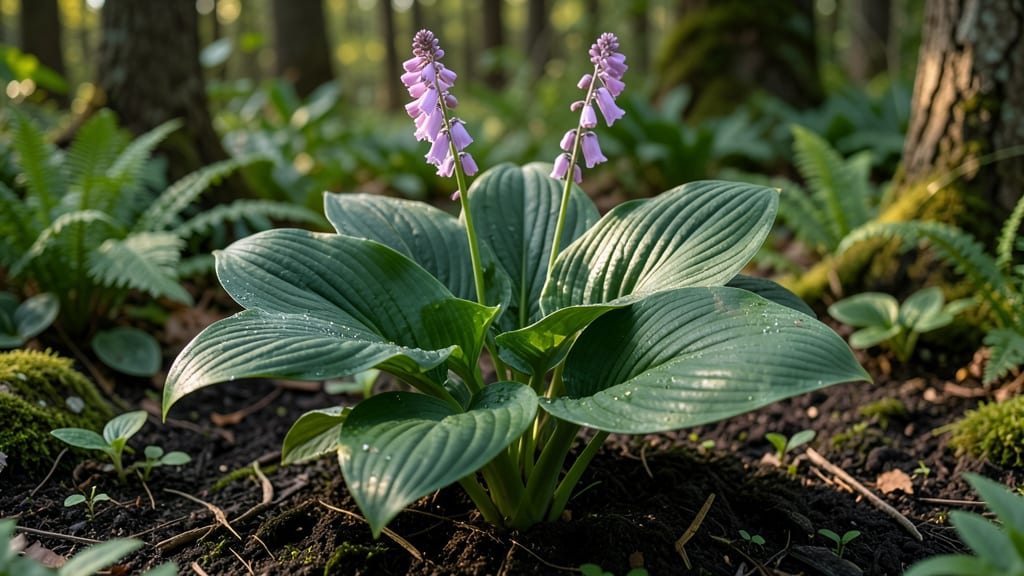
The big leaf hosta makes a stunning statement in shaded landscapes, growing 24–36 inches tall with dramatic, broad leaves that transition from deep green to vibrant blue or golden hues. Its resilient growth and minimal upkeep make it perfect for both woodland gardens and container plantings.
The big leaf hosta isn't just another shade plant—it's a showstopper with its massive, textured foliage that can reach up to 12 inches wide. 🌿 What sets it apart is how its leaves transform color throughout the seasons, often developing striking variegation that catches sunlight even in low-light areas.
I've seen gardeners use it as a dramatic centerpiece, especially when paired with ferns or astilbes, creating layers of visual interest. Plus, its adaptability means it thrives in everything from moist woodland soils to well-draining containers, making it one of the most versatile perennials for shaded spots.
For those considering adding it to their garden, remember that its size and leaf texture make it ideal for creating focal points. The key to keeping it looking its best is consistent moisture—especially during hot summers—and occasional division every 3-4 years to prevent overcrowding.
Its natural pest resistance means fewer worries compared to other shade plants, though slugs can still be a nuisance in humid climates.
💡 In This Article
- Why Big Leaf Hosta Excels in Shade Gardens
- Step-by-Step Care Guide for Big Leaf Hosta
Why big leaf hosta excels in shade gardens
The big leaf hosta's dominance in shaded gardens stems from its unique botanical adaptations. Its massive leaves—often spanning 12 inches wide—create an immediate visual impact by capturing and reflecting available light more efficiently than smaller foliage.
This trait is rooted in its evolutionary advantage: in low-light conditions, larger surface area maximizes photosynthesis, allowing it to thrive where other plants struggle.
The leaves' thick, waxy texture also helps retain moisture during dry spells, a critical survival mechanism in shaded environments where soil can remain damp but evaporation rates are higher.
What truly sets it apart is its color-changing ability, driven by chlorophyll and anthocyanin interactions. Fresh leaves emerge with vibrant green hues, but as they mature, they often develop striking blue-gray or golden centers due to light exposure variations.
This phenomenon occurs because the leaf edges receive more direct light than the centers, creating a gradient effect.
In deep shade, the variegation becomes more pronounced as the plant conserves energy by producing less chlorophyll in low-light areas. 🌿 This color transformation makes it a dynamic seasonal performer, unlike many shade plants that remain monotonously green.
The hosta's shade tolerance extends to its root system, which spreads aggressively but shallowly to access surface moisture and nutrients. This adaptation allows it to outcompete weeds while maintaining its vigor in areas where sunlight is scarce.
Gardeners often use it as a "living mulch" to suppress invasive ground covers, creating a self-sustaining ecosystem.
Its ability to grow in partial to full shade (receiving less than 4 hours of direct sunlight daily) makes it ideal for northern exposures or areas under tall trees where other perennials would struggle.
When designing with big leaf hosta, consider its role as a "layering anchor." Its bold foliage creates a dramatic backdrop for delicate flowers like bleeding heart or foamflower, while its height (typically 24-36 inches) provides vertical interest when paired with shorter ground covers.
The key to maximizing its impact is strategic placement: position it where its leaves will catch dappled sunlight, creating that coveted variegated effect. In woodland gardens, it naturally complements ferns and hellebores, while in containers, its size makes it a stunning specimen plant on patios.
Scientifically, its success in shade comes down to two factors: low light compensation points (the light intensity needed for photosynthesis) and high shade tolerance thresholds.
Unlike sun-loving plants, hostas can photosynthesize efficiently at light levels as low as 10% of full sunlight, making them uniquely adapted to forest understories. This biological efficiency is what allows gardeners to create lush, thriving shade gardens where other plants would wither. 💫
For those concerned about its size in containers, remember that root-bound hostas actually perform better in pots because their restricted growth triggers denser foliage production.
In garden beds, its aggressive spread can be managed through regular division (every 3-5 years), ensuring it remains a controlled focal point rather than a space invader. This dual adaptability—thriving in both ground plantings and containers—is one of its most practical advantages for modern gardens.